




The Short Answer Is Yes, But It's Formal
Kentucky law absolutely permits observation of the election process, but it’s not a free-for-all where any member of the public can wander into a polling place to watch. The state uses a formal system of designated observers, officially called 'challengers'. These individuals are appointed representatives who act as the eyes and ears for political parties and candidates to ensure procedures are followed correctly. The goal is to build public trust and provide a layer of accountability. However, the law is very clear that only those who are officially certified as challengers—or other authorized personnel like election officers and law enforcement—are allowed in the voting room while polls are open and votes are being tallied. Spontaneous, self-appointed
poll watching is not permitted and can lead to penalties.
Who Can Be a Challenger?
Becoming an official challenger in Kentucky involves a specific, party-driven process. You can’t simply decide to be one on Election Day. According to state law, each major political party's county executive committee can appoint up to two challengers per precinct. Similarly, independent candidates or slates of candidates can also designate challengers. To be eligible, a challenger must be a registered voter in the county where they are serving. The appointments must be made in writing, signed by the party chair or candidate, and submitted to the county clerk at least 20 days before the election. This advance notice ensures that election officials have a certified list of who is authorized to be present on Election Day. Challengers must also be prepared to present their written appointment if asked by an election officer.
What Can Challengers Actually Do?
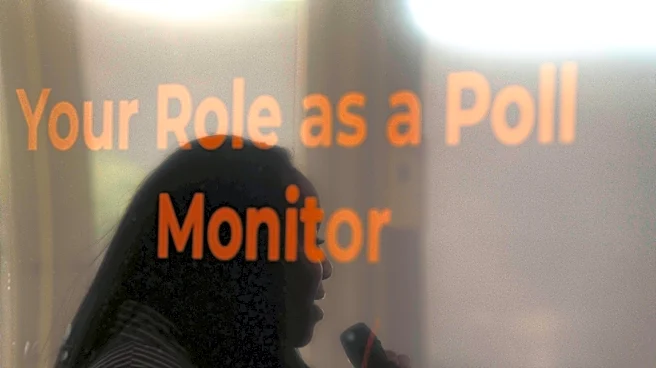
The role of a challenger is one of observation and, if necessary, questioning a voter's eligibility through the proper channels. Their primary duty is to watch the process and ensure everything is running according to law. If a challenger has a legitimate reason to believe a potential voter is ineligible, they can raise an objection. Valid reasons for a challenge include believing the person is not a registered voter in that precinct, not a resident, a convicted felon whose voting rights haven't been restored, or is not the person they claim to be. However, a challenger cannot directly confront or question a voter. Instead, they must state their challenge and the reason for it to a precinct election officer, who will then handle the situation according to established procedures.
The Strict Rules and Prohibitions
The rights of a challenger come with significant responsibilities and a strict set of rules about what they cannot do. Kentucky law explicitly prohibits challengers from engaging in any form of electioneering, such as campaigning for a candidate or party. They are forbidden from handling any official election materials, disrupting activities at the polling place, or interfering with the proper conduct of the election. Crucially, challengers cannot intimidate or harass any voter or election officer. Violation of these rules is taken seriously. An election officer can warn a disruptive challenger, and if the behavior continues, they can be ordered to leave the polling place. A challenger who is removed can be barred from serving in that role for five years, and other penalties can include misdemeanors or even felonies for subsequent offenses.
Balancing Transparency and Order
Kentucky's system of certified challengers is designed to strike a careful balance. On one hand, it provides the transparency that political parties and the public demand to have confidence in election outcomes. Having designated representatives watch the process helps ensure that rules are applied fairly and consistently. On the other hand, the strict certification process and rules of conduct are in place to prevent the system from descending into chaos, voter intimidation, or partisan interference. By limiting observation to trained, accountable individuals, the state aims to protect the rights of every voter to cast their ballot privately and without harassment, while also maintaining an orderly and efficient election administration process. The framework ensures that while the process is watched, it is not disrupted.