



The Postmark is Paramount
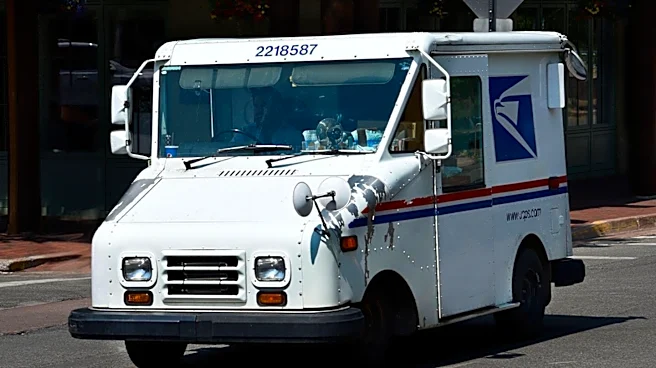
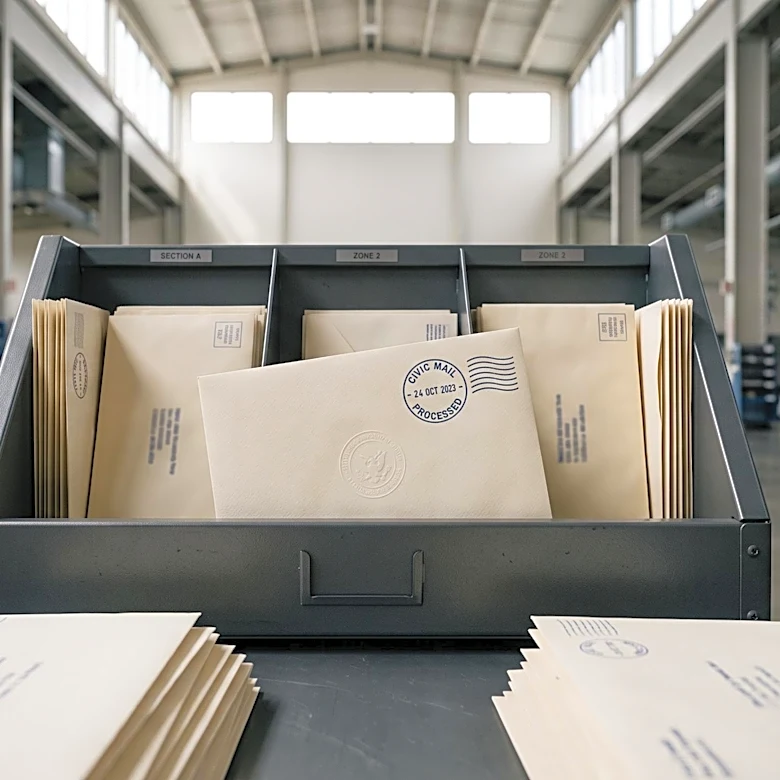
For a late-arriving ballot to be considered valid in Kansas, it must be postmarked on or before Election Day. Think of the postmark as the official timestamp from the U.S. Postal Service that proves a voter mailed their ballot in time, even if logistical delays prevent it from reaching election officials immediately. A ballot mailed the day after the election, for example, would be rejected regardless of when it arrives. This rule is designed to ensure that all votes are cast by the deadline, while accommodating for potential mail service slowdowns that are outside of a voter's control.
A Three-Day Grace Period
Under a court injunction that remains in effect, Kansas law provides a three-day window after Election Day for validly postmarked ballots to be received and counted.
This means if Election Day is on a Tuesday, ballots can continue to arrive at the county election office through the final mail delivery on Friday and still be included in the official tally. This grace period has been the subject of legal battles; a 2025 law aimed to eliminate it, but court rulings have kept it in place for now, affirming that voters who follow the rules shouldn't be disenfranchised by postal delays.
Why The Extra Time Matters
Grace periods like the one in Kansas are a balancing act. On one hand, election officials need to finalize results promptly to ensure a smooth transition of power and maintain public confidence. On the other, these rules acknowledge the reality of mail-in voting. A voter might do everything right—filling out their ballot and placing it in the mail on Election Day—only to have it delayed in transit. The three-day window serves as a safeguard, protecting the right to vote for those who act in good faith but are affected by circumstances beyond their control. Even with the grace period, however, election officials strongly encourage voters to return their ballots as early as possible to avoid any potential issues.
A Patchwork of Rules Nationwide
Kansas is one of a number of states that accept ballots after Election Day, but the rules are far from uniform across the country. As of 2026, about a dozen states and Washington, D.C., have similar postmark-based grace periods, though the length of the window varies from just a few days to more than a week. A majority of states, however, operate under a stricter 'received by' deadline, meaning ballots must be in the hands of election officials by the close of polls on Election Day, regardless of when they were mailed. This patchwork of regulations underscores how much voting administration is a state-by-state affair, making it essential for voters to understand their local rules.