



The Short Answer: Nothing, Automatically
Here’s the most important thing to know: Massachusetts law does not provide for automatic recounts. Unlike some states where a razor-thin margin automatically triggers a new count, the Bay State always requires someone to formally ask for one. This is a fundamental feature of the state's election process. No matter how close the vote is—even if it's a single vote separating two candidates—a recount isn't guaranteed. An eligible candidate or a group of voters must take the specific legal steps to initiate the process. This puts the power, and the responsibility, in the hands of the campaigns and concerned citizens to decide if a second look at the ballots is necessary.
The 0.5% 'Close Vote' Rule
While no recount is automatic, state law does set a critical threshold that
determines who is eligible to request one for statewide and district-wide races. A candidate can only petition for a recount if the margin of victory is 0.5% or less of the total votes cast for that office. For example, if 100,000 votes are cast in a state senate race, a recount can only be requested if the margin between the top two candidates is 500 votes or fewer. The same half-percent rule applies to voters seeking to recount a statewide ballot question. If the margin is wider than 0.5%, a candidate simply doesn't have the legal standing to ask for a recount, even if they suspect errors. After the official results are tabulated, if the race falls within this narrow window, the door to a recount opens.
Petitioning: The Real Trigger
Meeting the 0.5% margin is just the first step. To actually start a recount, the interested party must file official petitions. For a statewide office like Governor or U.S. Senator, a candidate must gather at least 1,000 signatures from registered voters across the Commonwealth. For district-level races, such as for a state representative, the signature requirement is lower—typically one-fourth of the number needed to get on the ballot in the first place. For local municipal offices, the rules are different and often more lenient; no specific close-vote margin is required to request a recount, but petitioners must still gather signatures from voters in the town or city ward. These petitions must be filed within a strict timeframe: typically by the tenth day after a general election for statewide and district races.
The Recount Process Itself
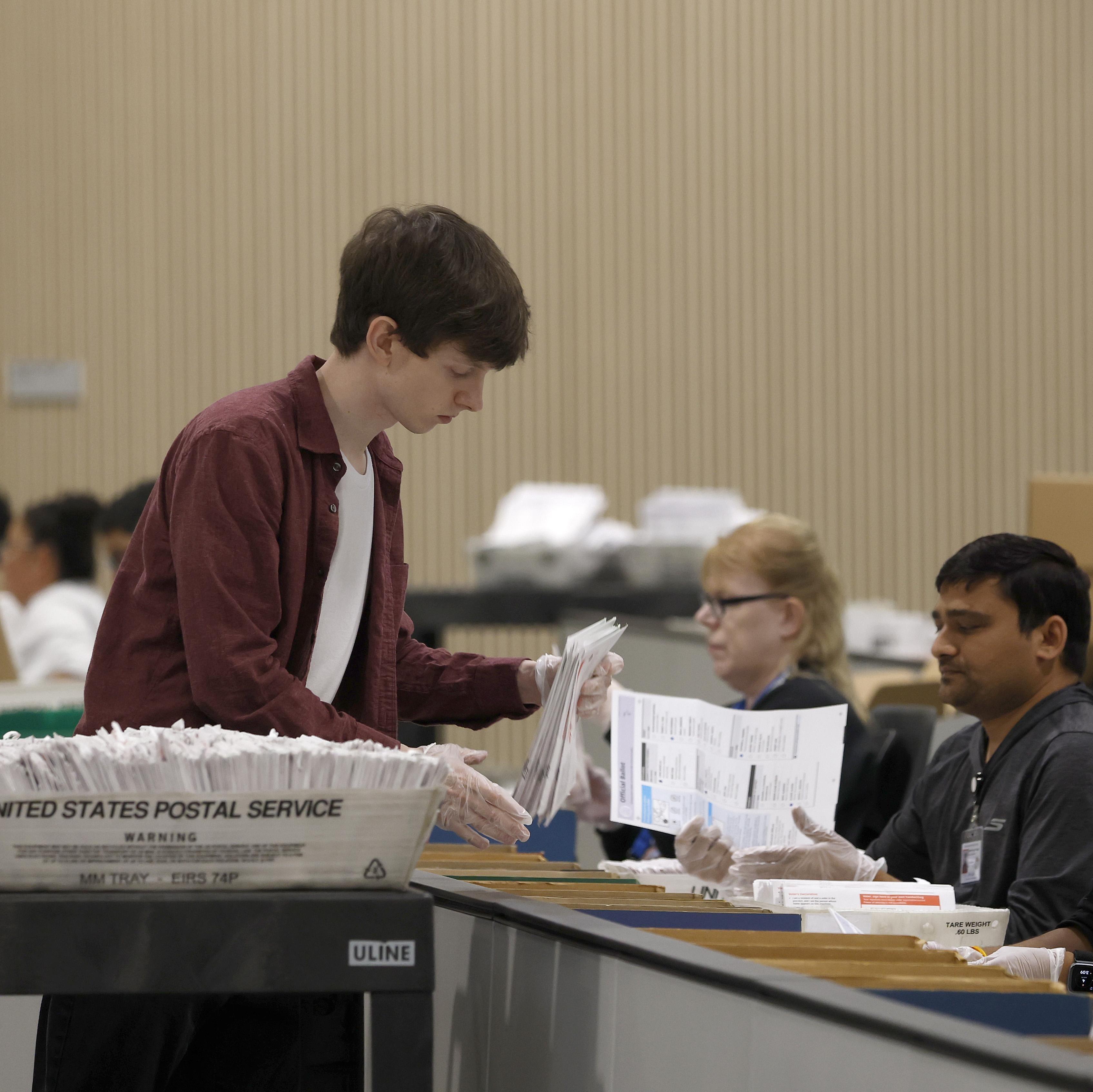
Once a valid petition is filed and approved, local election officials schedule the recount. The process itself is a formal, public procedure overseen by the board of registrars in each city and town. The petitioner can choose whether the ballots are recounted by hand or run through the optical scanning machines again. Each campaign is allowed to have observers present to watch the counting and challenge specific ballots they believe were interpreted incorrectly. This can involve examining ballots for voter intent, such as improperly filled ovals or write-in votes. These contested ballots are ruled on by the local board of registrars. The goal is to conduct a thorough and transparent re-tallying to confirm the will of the voters.
Who Pays for It?
One of the most significant aspects of Massachusetts recount law is who covers the cost. Unlike in many other states where the candidate requesting the recount must foot the bill, in Massachusetts, the state or county pays for it. This applies whether the recount is for a candidate or a ballot question, and it holds true regardless of whether the outcome of the election changes. This provision removes a major financial barrier that might otherwise deter a candidate in a close race from seeking a recount, ensuring that the ability to verify a tight result isn't dependent on a campaign's wealth. The focus remains on election integrity rather than a candidate's ability to pay.