







First, What Exactly Is a Canvass?
Think of the canvass as the official accounting of an election. On election night, we see 'unofficial results' reported by the media. The official canvass is the methodical process that follows, where bipartisan local election officials verify those numbers. They reconcile the number of voters who checked in with the number of ballots cast. They meticulously review and count every valid ballot, including early votes, absentee by-mail ballots, and provisional ballots cast on Election Day. It’s a systematic review to ensure the final tally is accurate and complete before it becomes history. Tennessee law explicitly states that all county election commissions must verify election results before they are certified.
The Official Deadline in Tennessee
So, how long does this all take?
According to Tennessee state law, county election commissions have a specific window to complete their work. They must meet to compare and certify the returns from all precincts and finalize their official count no later than the third Monday after the election. For a typical November election, this gives local officials just under three weeks to conduct their thorough review, handle any discrepancies, and formally sign off on the results for their county.
Who Are the People in Charge?
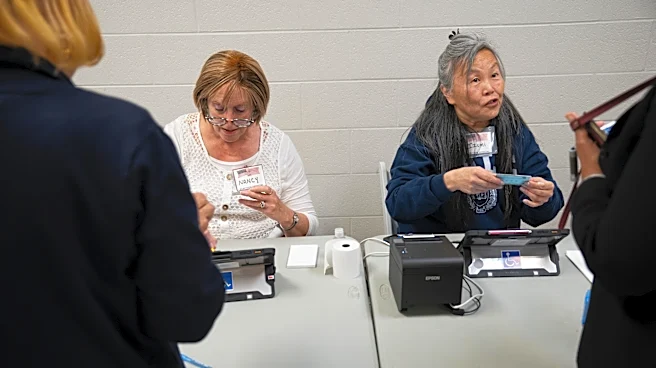
The responsibility for this crucial task falls to Tennessee's 95 county election commissions. These aren't faceless bureaucrats; they are bipartisan bodies, typically composed of members from both major political parties. This structure is by design, intended to build public trust and ensure that no single party can unduly influence the counting of votes. These commissioners and their staff are responsible for everything from publicly testing voting machines before an election to overseeing the count afterward. Their work is governed by state law and is the foundation of the state's entire election certification process.
From County Canvass to State Certification
Once each of the 95 county commissions certifies its local results, their job is done, but the process isn't over. They prepare and send triplicate copies of their certified results to state officials. At the state level, a board composed of the governor, the secretary of state, and the attorney general receives these returns. This state-level body then meets 'as soon as the returns are received' to perform the final step: they calculate and compare the totals from all counties to officially declare the winners for statewide and federal offices. The governor then furnishes the elected candidate with a certificate of election, which serves as prima facie evidence that they have won.
Why the Wait Is a Feature, Not a Bug
In an age of instant information, a weeks-long process might seem slow. But this deliberate pace is a core feature of a secure and reliable election system. It provides the necessary time to ensure every legally cast vote is counted accurately. This includes verifying signatures on absentee ballot envelopes, researching the eligibility of voters who cast provisional ballots, and conducting legally mandated post-election audits of voting equipment to confirm they counted votes correctly. Rushing this process would risk disenfranchising voters and undermining the integrity of the results. The time Tennessee builds into its election calendar is a deliberate investment in accuracy and public confidence.