


First, What Is a Canvass?
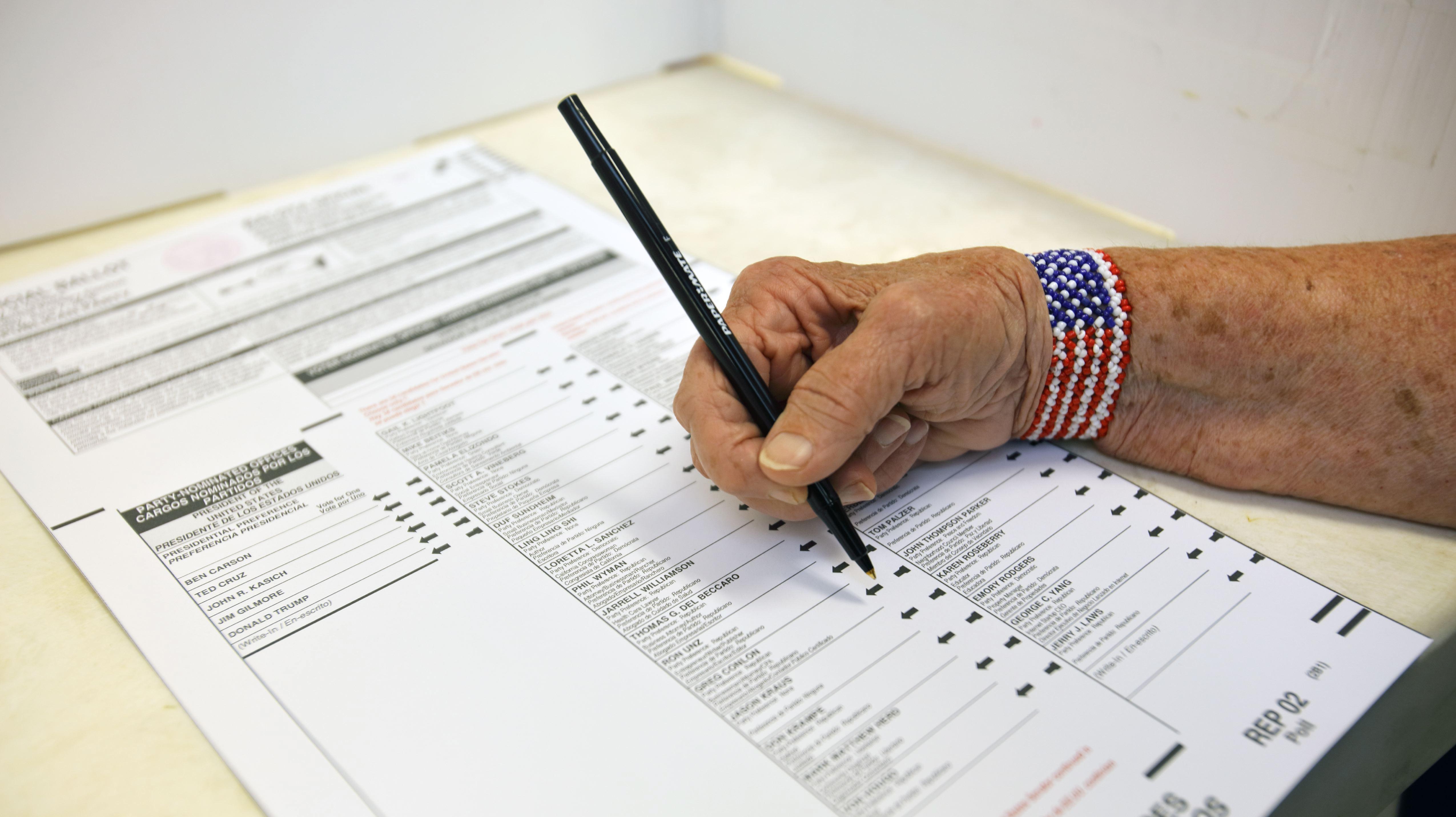
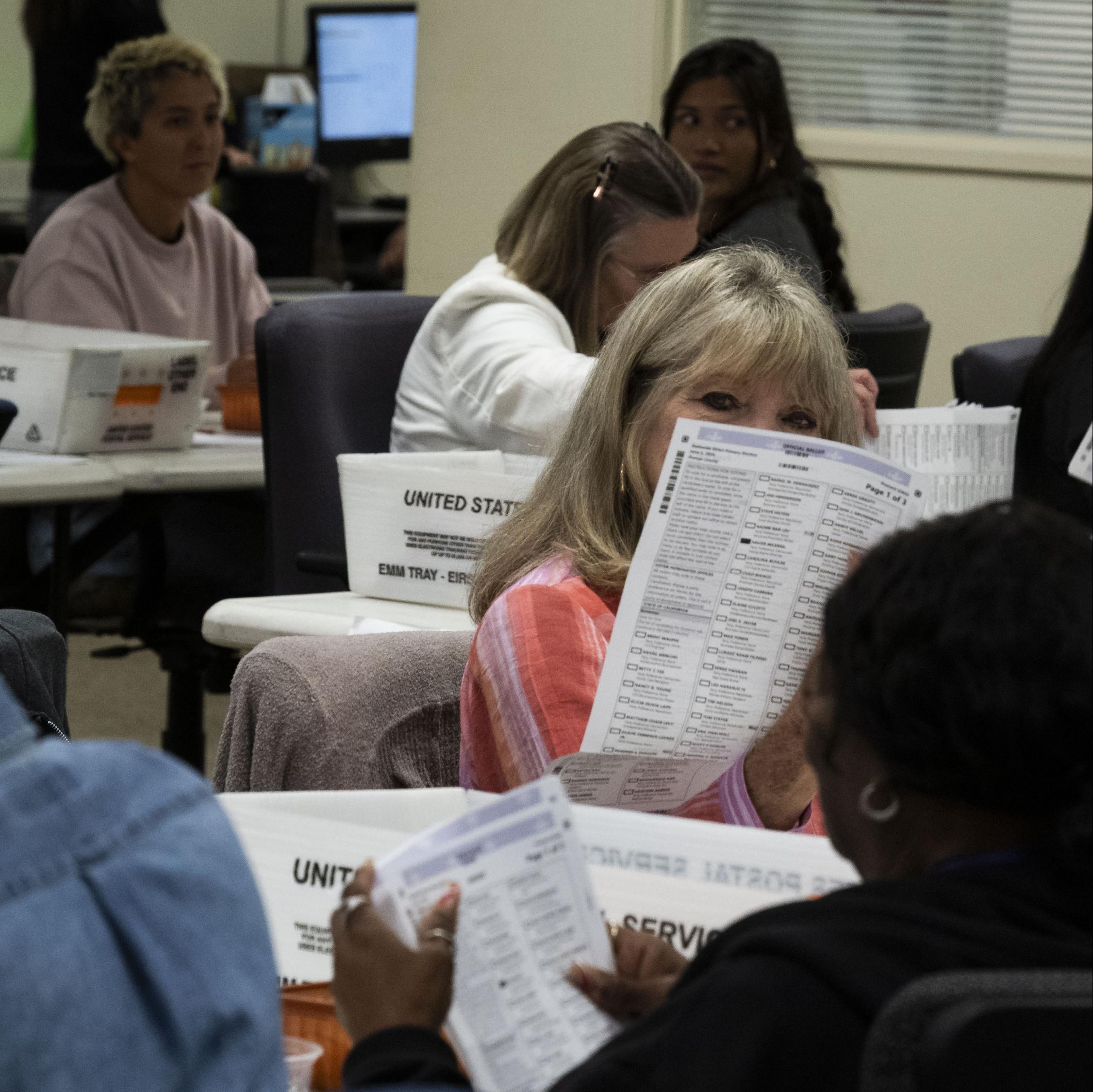
Before diving into timelines, it’s important to understand what 'canvassing' means. It isn’t just about tallying votes. The canvass is the official, transparent process where bipartisan local election boards review, verify, and count every validly cast ballot. This includes ballots cast during early voting, on Election Day, and by mail. It also involves reviewing provisional ballots, which are cast when a voter's eligibility in question. The entire procedure is methodical, with checks and balances to ensure the integrity of the final count.
The Clock Starts Before Election Day
Maryland's process for counting votes now begins well before the polls close, a change that significantly impacts the post-election timeline. Under state law, local election boards are required to start canvassing
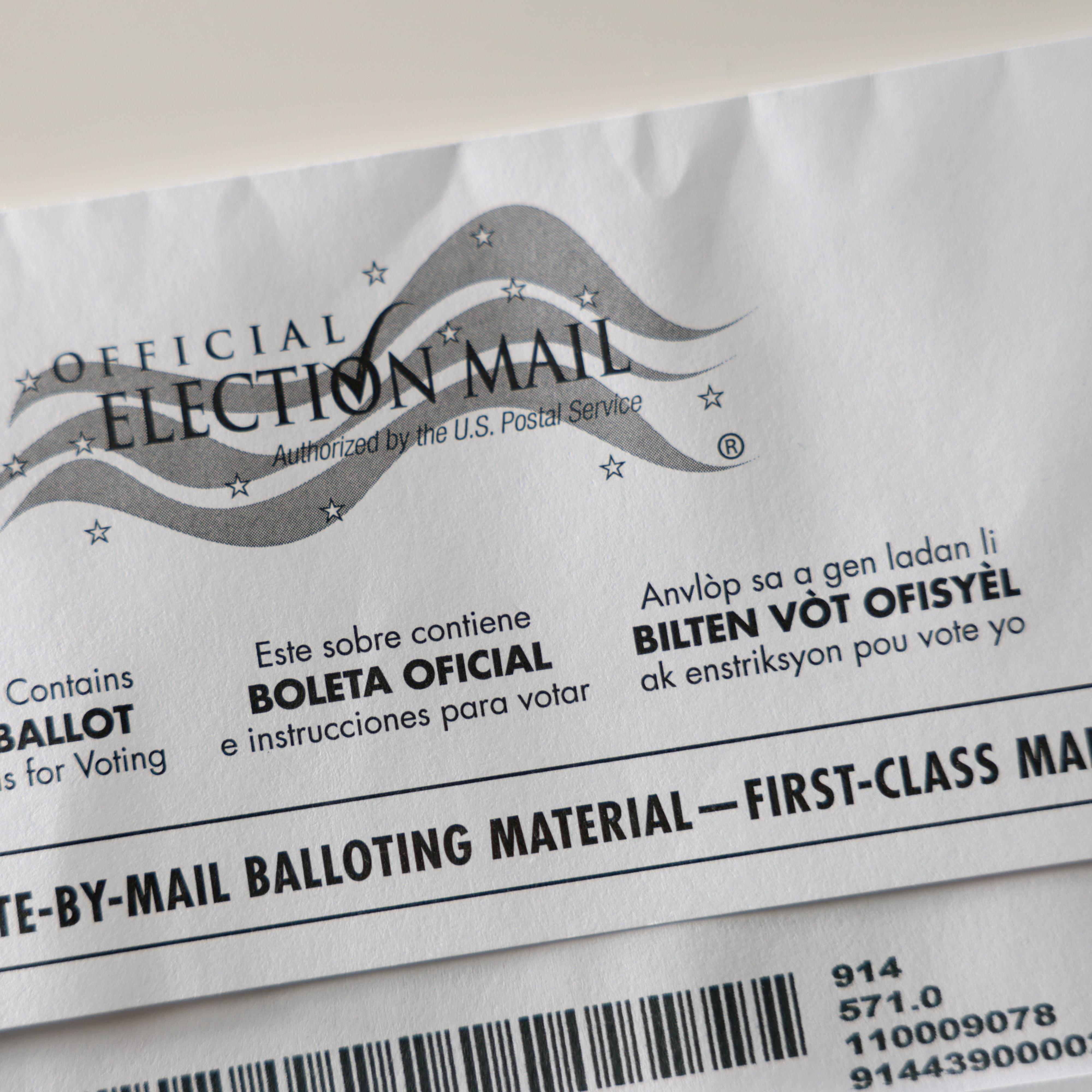
mail-in ballots eight business days before the first day of early voting. For the 2026 General Election, this process kicked off on October 13. During this pre-Election Day period, officials can open envelopes, verify voter signatures, and prepare ballots for tabulation. However, no results from this early canvass are released until after the polls close at 8 p.m. on Election Day. This head start is crucial for managing the large volume of mail-in ballots and preventing a prolonged counting process after the election.
The Post-Election Counting Schedule
Once Election Day is over, the canvass enters its next phase. Mail-in ballots that were postmarked on or before Election Day are still accepted and counted if they arrive by 10 a.m. on the second Friday after the election. The process also turns to provisional ballots. Local boards typically convene on the second Wednesday after the election to begin reviewing and counting these. If a voter submitted a mail-in ballot with a missing signature, they have until 10 a.m. on the tenth day after the election to 'cure' or fix the issue so their vote can be counted. Local boards continue their canvassing work until all eligible ballots—mail-in, provisional, and others—are accounted for. This sometimes requires additional scheduled days beyond the initial post-election sessions.
From Canvass to Certification: The Final Deadlines
Completing the canvass is the penultimate step. Each of Maryland's local boards must certify the results in its jurisdiction by the second Friday after Election Day, or within 48 hours of completing their canvass if it runs longer. Once the local results are certified, they are sent to the state. The final act is the meeting of the State Board of Canvassers, which includes top state officials like the Attorney General and Comptroller. This board convenes to review and certify the official statewide results. By law, this final certification must happen within 30 days after the election. For the 2026 election, that deadline is early December. Only after this statewide certification are the election results considered final and official.