





What Exactly Is a Canvass?
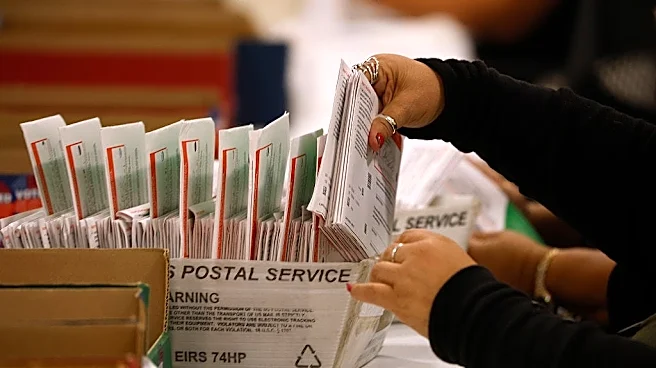
Think of election night results as a first draft. The canvass is the official fact-checking process that turns that draft into a final, certified document. It’s not a recount, which is a separate process to re-tally votes, but rather a methodical review to ensure the results are accurate and complete. During the canvass, local election officials reconcile the number of voters who signed in at polling places with the number of ballots cast. They examine pollbooks, review provisional ballots, and confirm that all absentee ballots received by the deadline were included in the count. The entire procedure is designed to catch clerical errors, resolve discrepancies, and produce a formal, verified vote total for the jurisdiction. It is a mandatory,
non-discretionary duty grounded in state law, ensuring that every valid vote is counted properly before an election is finalized.
The First Deadline: The County Canvass
The process begins at the local level. In South Dakota, the county is the primary unit for election administration. Following any election, the county's governing board, serving as the canvassing board, is responsible for conducting the official review of the votes cast within that county. State law gives them a clear deadline: the county canvass must be completed 'within six calendar days' after the close of the election. This gives county auditors and their teams time to meticulously review the paperwork and vote totals from every precinct. Once the county canvass is complete and the results are certified at the local level, they are immediately transmitted to the South Dakota Secretary of State. This step is crucial, as the state cannot begin its own final certification until it has received the official results from all of its counties.
The Final Step: The State Canvass
Once all county-level results are submitted, the process moves to the state capital, Pierre. The official Board of State Canvassers is tasked with examining the returns from all counties and certifying the final, statewide results for federal, statewide, and multi-county legislative races. This board is typically composed of key state officials. According to South Dakota law, the board must convene 'within seven days' after Election Day to open and examine the returns. However, the law provides a crucial bit of flexibility. If returns from every county have not yet been received, the board has the authority to adjourn for up to ten days to await the missing results. This ensures that a delay in one or two counties doesn't prevent the state from eventually completing its work. Once all returns are in, the board proceeds with the official canvass and certifies the final election outcome.
Why the Process Takes Time
The staggered deadlines for the county and state canvasses are intentional. The system is built for accuracy, not just speed. By providing a roughly one-week window for counties to perform their detailed review, the state ensures the data it receives is as clean as possible. The subsequent state-level review acts as a final check, aggregating the verified totals and formalizing the results. This multi-layered process builds public confidence by demonstrating a commitment to meticulous verification. After the state canvass is complete and the results are certified, the election is officially over. At this point, certificates of election are issued to the winning candidates. It is also the point at which the clock typically starts for candidates who may wish to request a recount, which is governed by a separate set of rules and deadlines.