



The Automatic Recount
In Kentucky, some recounts don't need to be requested at all; they're automatic. For major regular or special elections—including races for Governor, U.S. Senate, U.S. House, and the General Assembly—a recount is required if a candidate loses by a margin of 0.5% or less of the total votes cast. The State Board of Elections is responsible for determining if this threshold is met based on the certified vote totals. If it is, the process kicks off without any candidate needing to file a petition. The costs for these automatic recounts are covered by the Commonwealth of Kentucky, ensuring that the price of certainty in a tight race isn't a barrier. This state-mandated check serves as a first line of defense for election integrity in the closest
of contests.
What's a Recanvass?
Before a full, court-ordered recount, there's often a simpler first step called a recanvass. A candidate can request a recanvass, which is not a hand-recounting of every ballot. Instead, it’s a verification of the vote totals reported by the voting machines. County election officials recheck the machine tapes and ensure the numbers were added up and reported correctly. It's a way to quickly catch and correct any clerical or administrative errors without the expense and time of a full recount. If a discrepancy is found, the totals can be corrected. Think of it as double-checking the math before deciding to recount every single vote from scratch.
Requesting a Full Recount
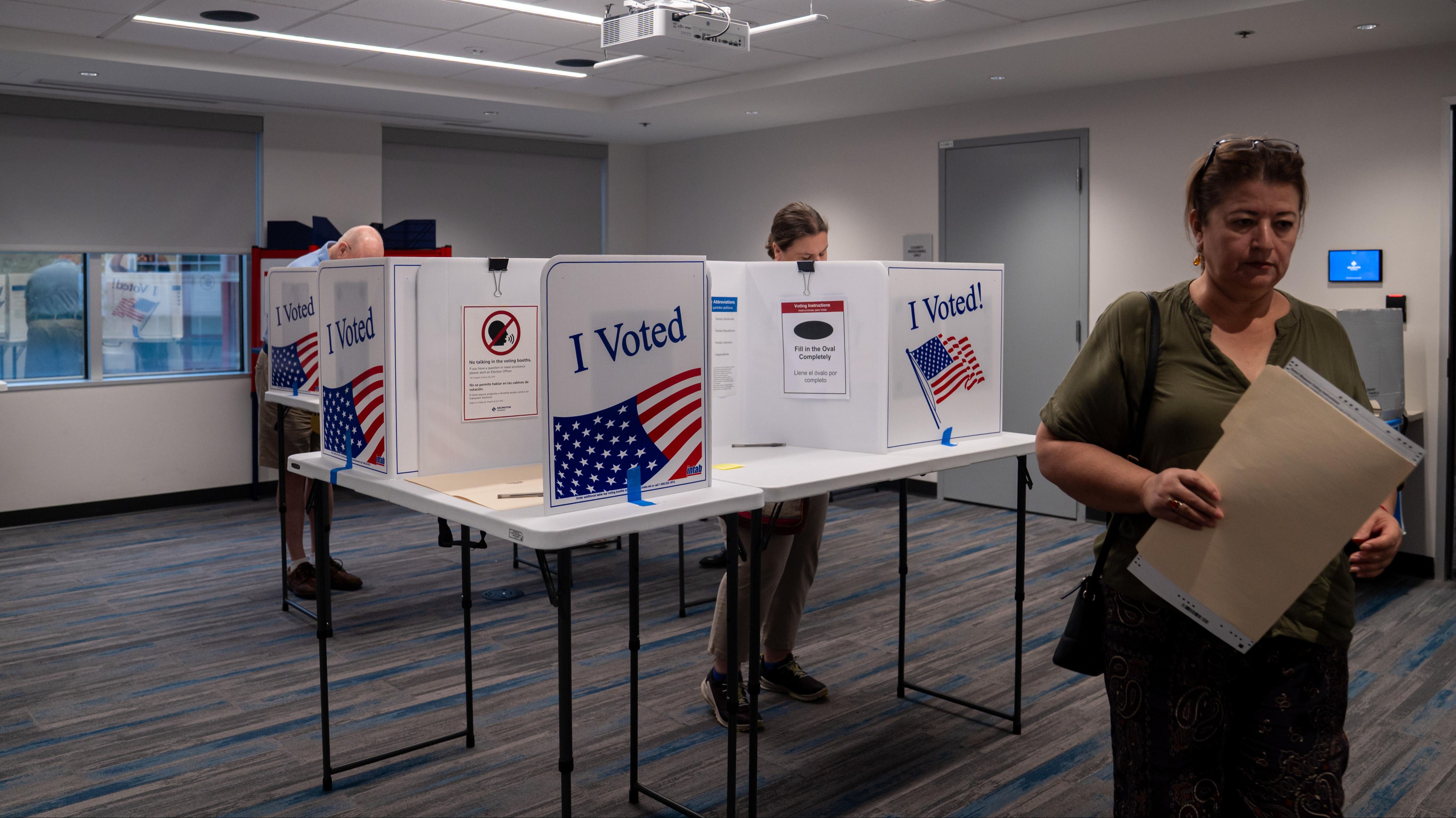
If a race isn't close enough for an automatic recount, or if a candidate in a primary wants to challenge the results, they can petition for a full recount. This isn't a simple request; it's a formal legal action. A candidate must file a petition in Circuit Court within ten days of the election. This proceeding turns the matter over to a judge, who will order the recount if the legal requirements are met. The petition must also name the relevant election board as a party to the case. Representatives for the candidates and political parties, as well as the news media, are permitted to be present and observe the recount proceedings to ensure transparency.
Who Foots the Bill?
This is a critical distinction: if a recount is triggered automatically by the 0.5% margin, the state pays. However, if a candidate requests a recount, they are generally responsible for the cost. To initiate a requested recount, the petitioner must execute a bond for an amount set by the Circuit Judge to cover all associated costs. This financial requirement ensures that recount requests are serious and not used as a frivolous delay tactic. The costs cover everything from hiring bipartisan recount officials to securing a suitable location to conduct the retabulation. If the recount ultimately changes the winner of the election, the petitioner may be refunded their deposit, but otherwise, they bear the expense.
The Recounting Process
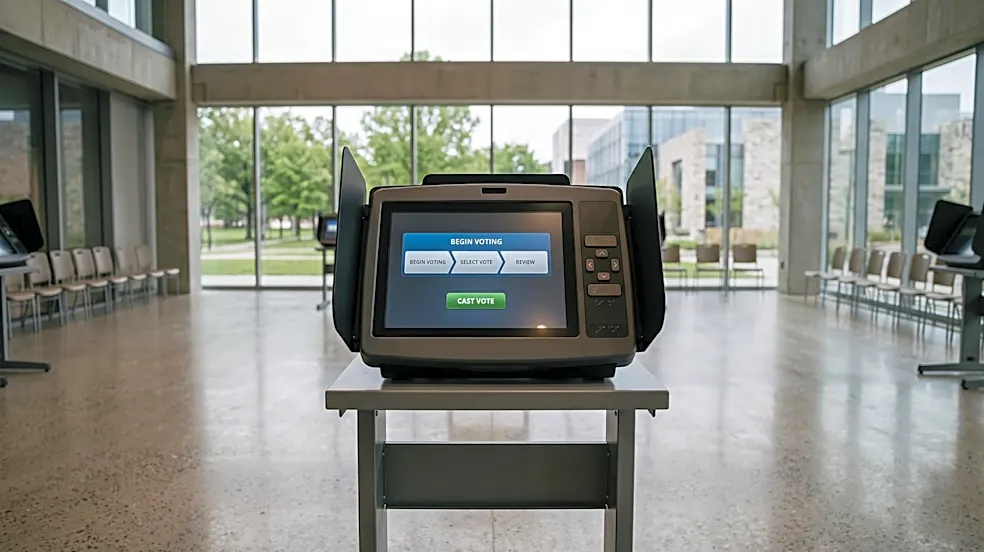
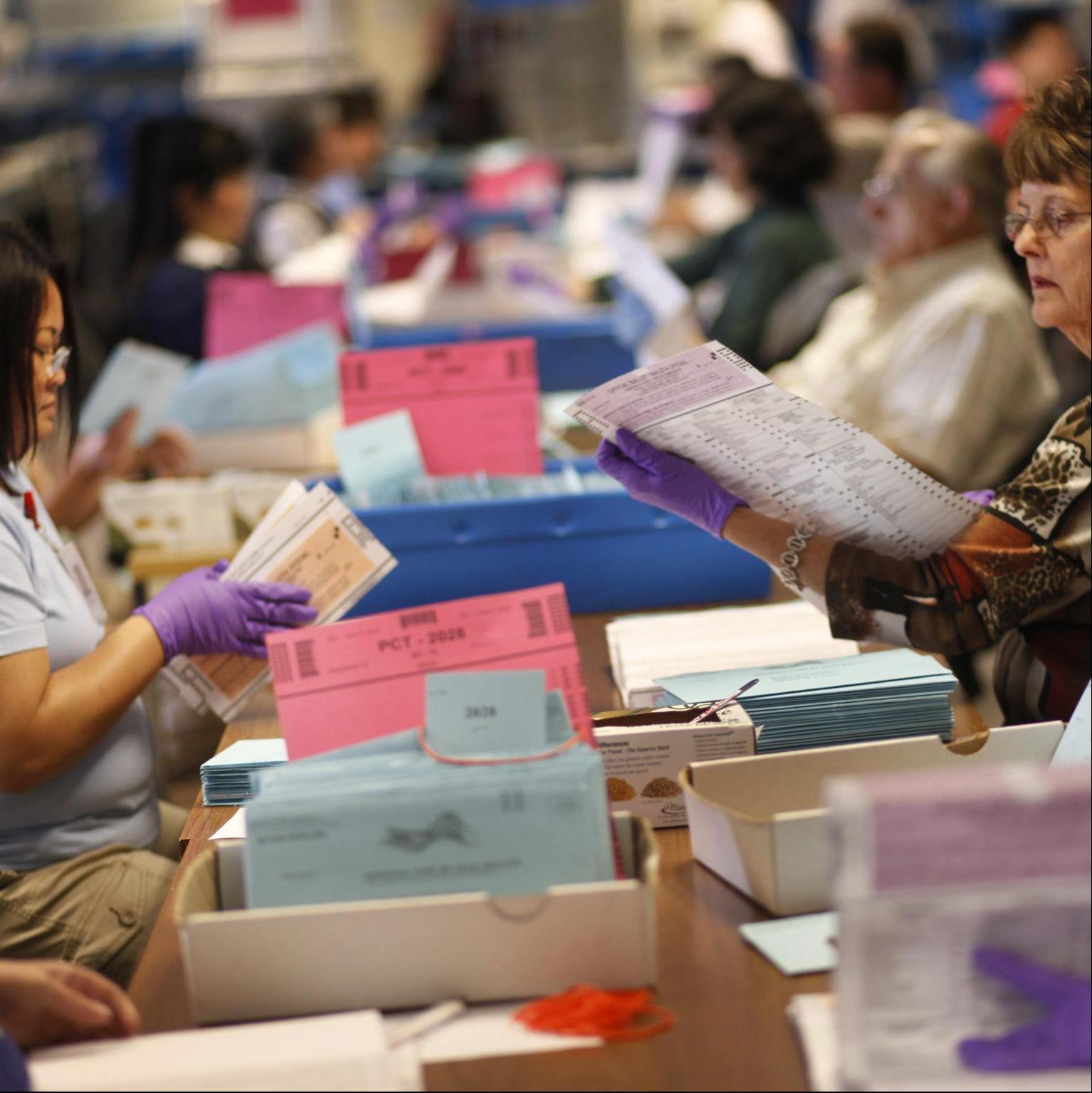
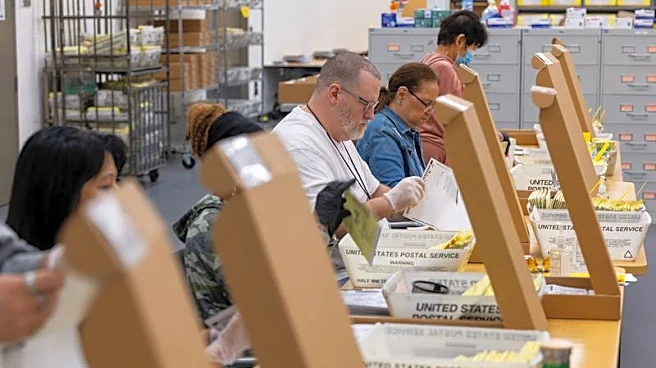
Once a recount is ordered, the county board of elections in each relevant county conducts the new tally. The voting equipment, ballots, and all related election papers are transferred to the custody of the Circuit Court. The actual process involves re-scanning the paper ballots through the voting equipment, one by one, to get a fresh count. This is a retabulation, not necessarily a hand-count, though procedures are in place to ensure the integrity of the ballots is checked before the process begins. Bipartisan teams of temporary recount officials are hired to carry out the work in a secure location, with observers from all sides watching. The court then enters the final result, which becomes the new official tally.