


The Short Answer: Almost Nothing is 'Automatic'
Here’s the most important thing to know about recounts in Maine: with one rare exception, they are not automatic. Unlike some states where a close margin automatically initiates a new count, Maine law requires a losing candidate or a group of voters to formally request one. The only time a recount happens automatically is in the event of a tie vote. In every other scenario, the process only begins once a formal, written request is filed with the Secretary of State within five business days of the election. For a candidate who was the apparent winner before the official tabulation but is later determined to be the loser, that window is shortened to just three business days after the governor receives the final results.
Who Pays? The Margin of Victory is Key
While recounts aren't automatic,
the state will cover the cost if the election is particularly close. This is where the margin of victory becomes crucial. If a recount is requested, the state pays for it under specific circumstances that vary by office. For statewide races (like Governor or U.S. Senator) and multi-county contests, the state covers the cost if the difference between the leading candidate and the challenger is 1% or less of the total votes cast for that office, or no more than 1,000 votes, whichever is smaller. For state legislative and single-county offices, the margin for a state-funded recount is slightly wider, set at 1.5% or less of the total votes cast. If the result reverses the outcome of the election, the state also foots the bill.
When the Candidate (or Voter) Foots the Bill
If a candidate requests a recount in a race that wasn't close enough to qualify for state funding, they must pay for it themselves. The process requires an upfront deposit that varies based on how wide the margin was. For a statewide race where the margin is greater than 1%, the deposit is a hefty $5,000 or 10% of the estimated recount cost, whichever is greater. That deposit is forfeited if the recount doesn't change the outcome. If the recount does flip the result, the deposit is returned. Voters can also request recounts for ballot questions. For a statewide referendum, petitioners must gather at least 200 signatures. If the margin is outside the 1% or 1,000-vote threshold, they too must front a deposit, which can be thousands of dollars.
The Recount Process Itself
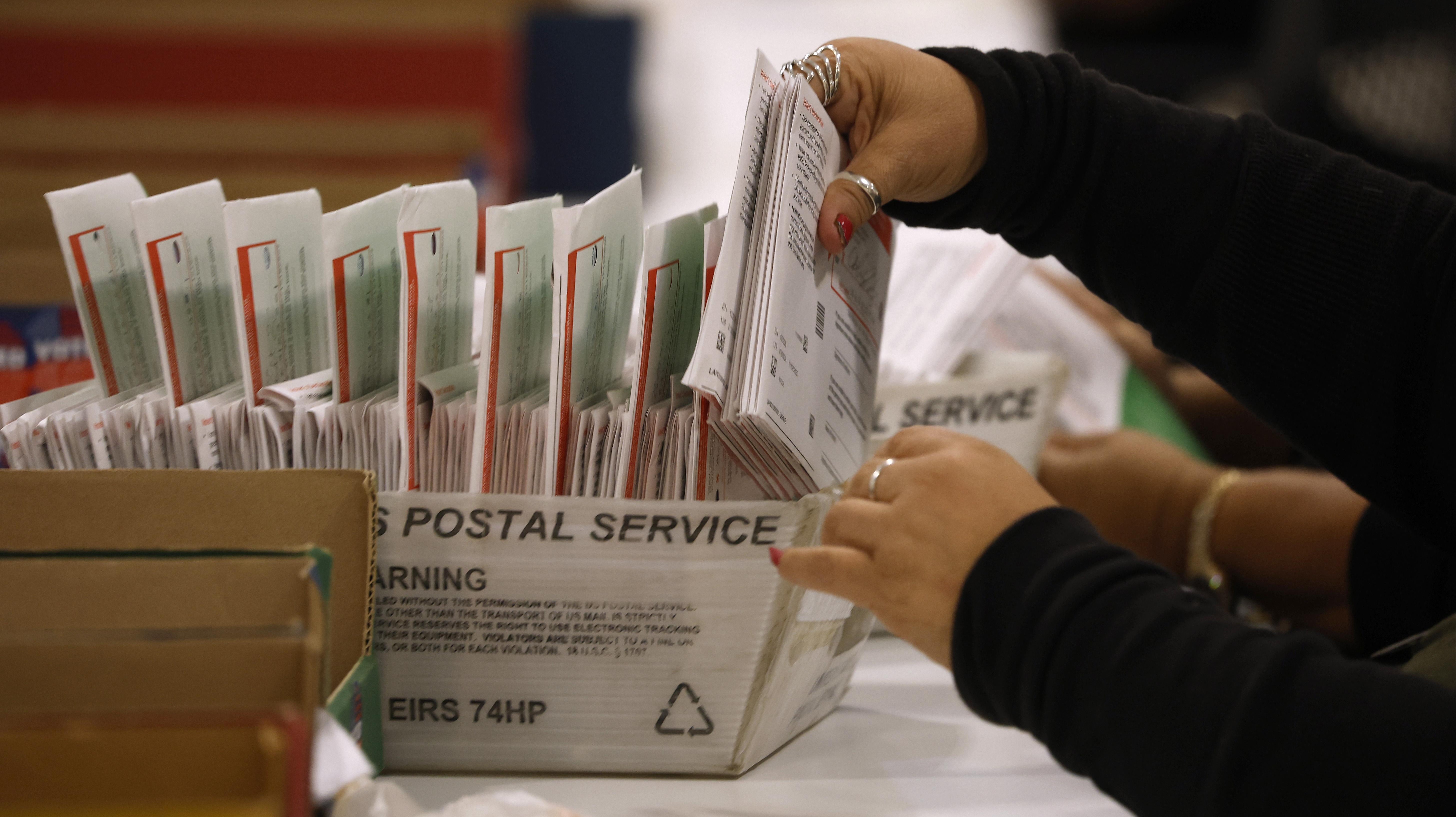
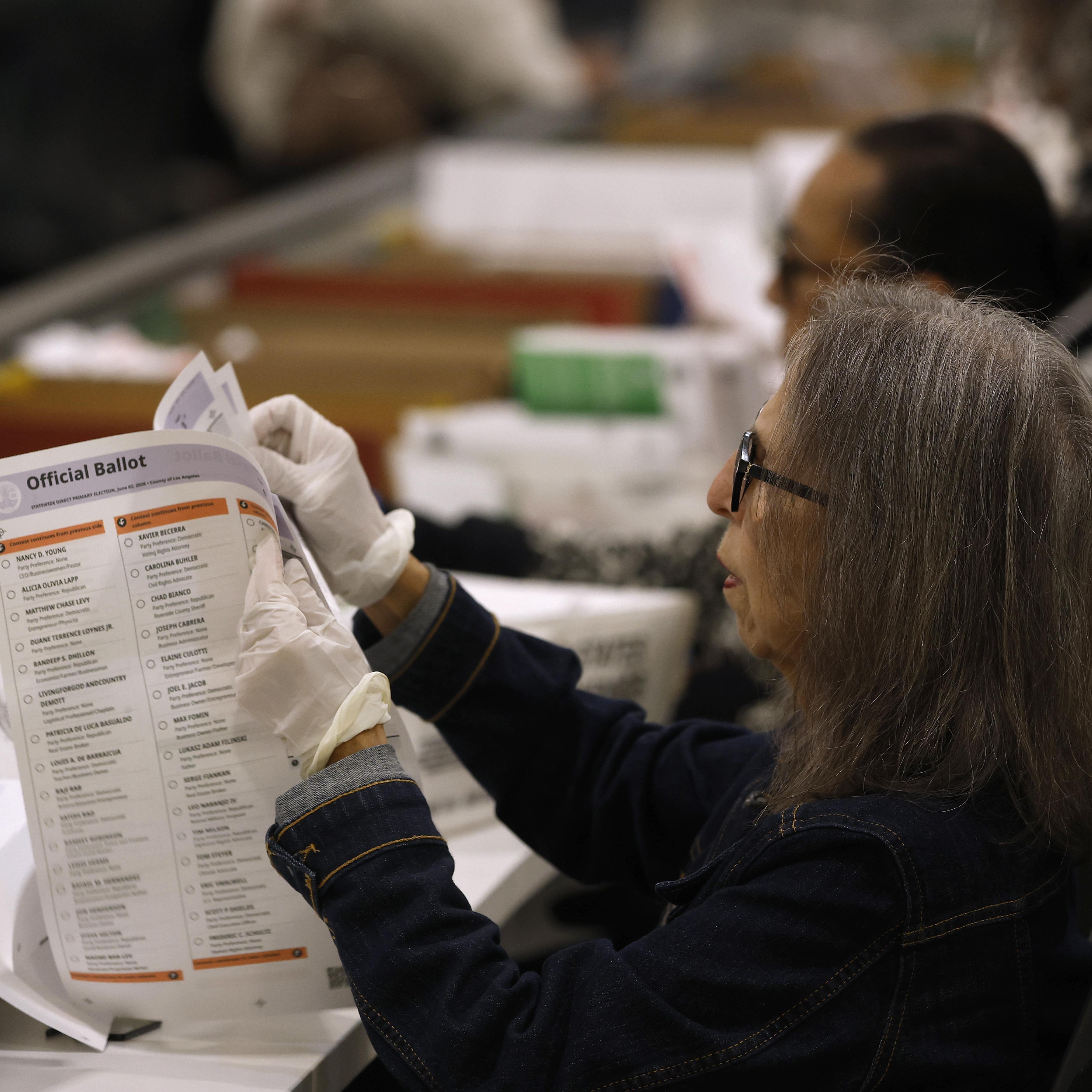
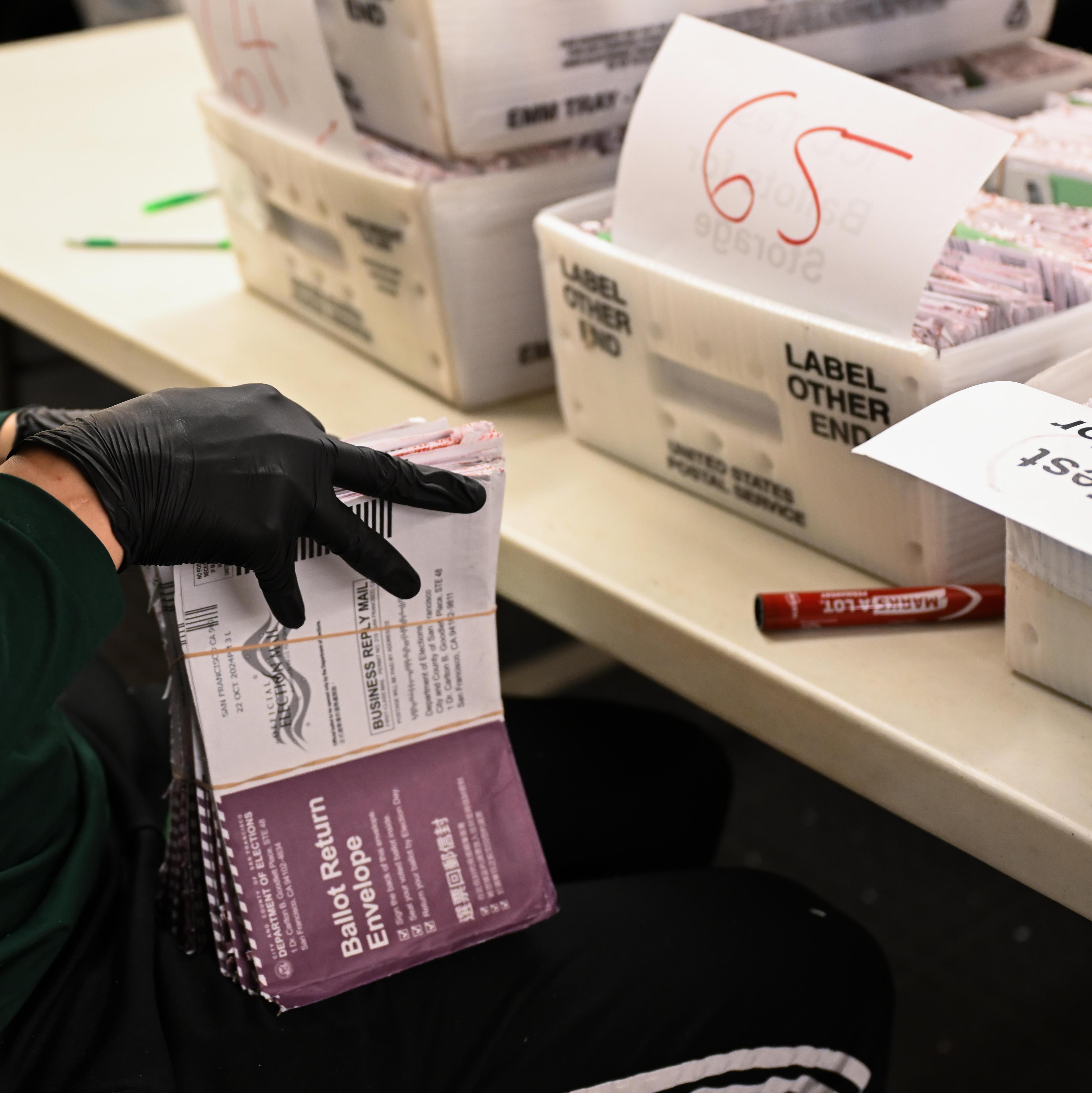
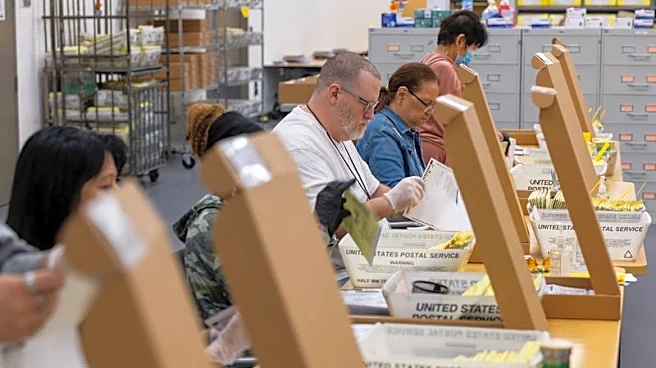
Once a valid recount request is filed, the Secretary of State's office takes charge. The State Police or other sworn law enforcement officers are dispatched to collect all the physical ballots and related election materials from the municipalities involved. These materials are securely transported to a central location for the hand recount. The recount itself is a public proceeding, supervised by the Secretary of State. The candidates involved are allowed to have representatives or legal counsel present to observe and recount the ballots, though candidates themselves are not permitted to be counters. The process continues until all ballots are re-tabulated or until the candidate who requested the recount concedes, which they are allowed to do at any point as long as they are still trailing.
What About Ranked-Choice Voting?
Maine's use of ranked-choice voting (RCV) adds a unique layer to its recount rules. In an election determined by RCV, not just any losing candidate can demand a recount. The privilege is restricted to only those candidates who were among the top three finishers at the end of the second-to-last round of vote counting. This rule narrows the field of potential requesters, ensuring that only candidates who were plausibly close to winning can initiate the costly and time-consuming recount process. The same cost and margin rules apply, but the eligibility to even ask is significantly more limited.