




The Starting Gun: What Triggers a Recount?
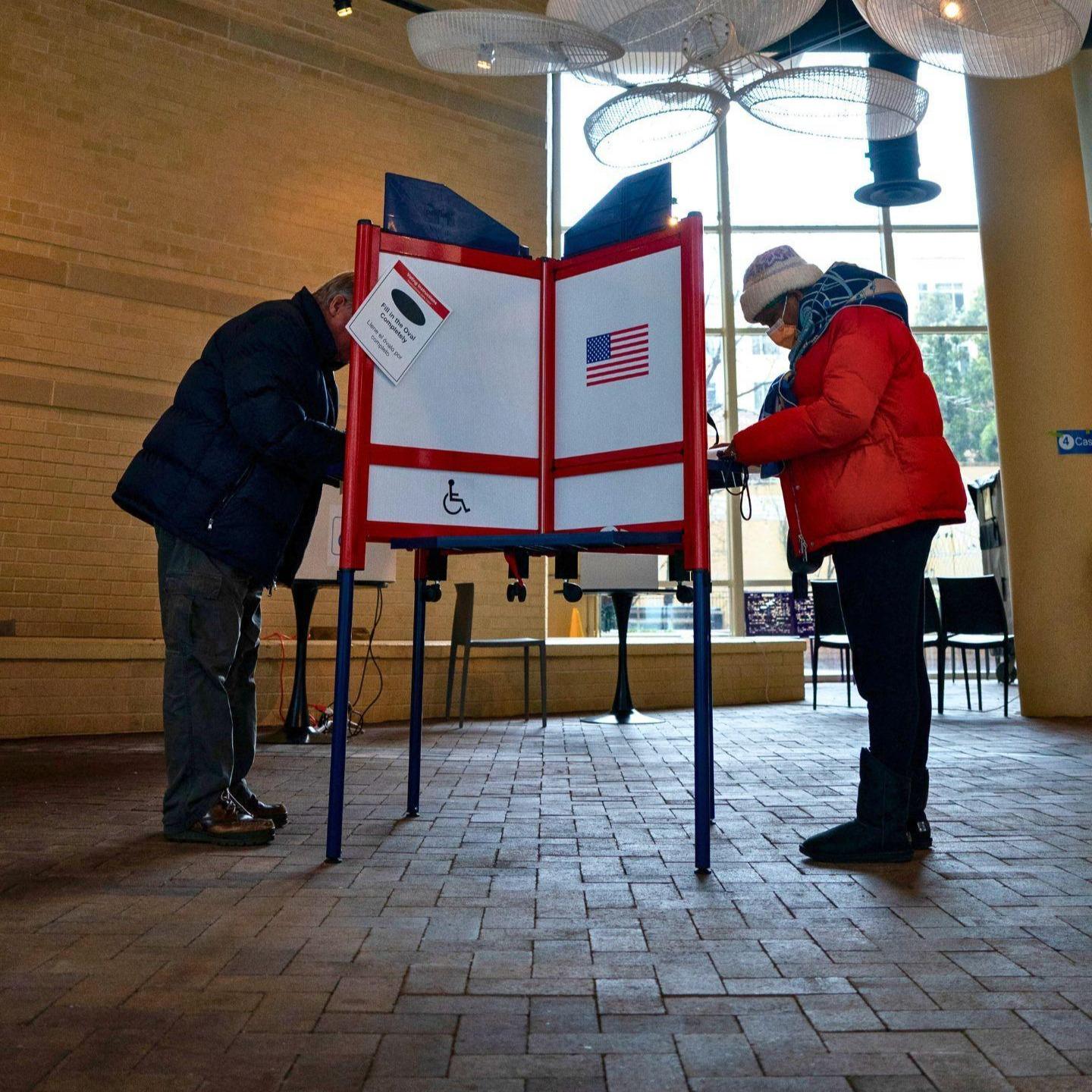
There are two main paths to a recount in Michigan. The first is automatic and taxpayer-funded. This happens in extremely close races without anyone needing to ask. For a statewide contest (like for governor or a ballot measure), an automatic recount is triggered if the margin between winning and losing is 0.1% or less of the total votes cast. For legislative seats, the margins are based on raw vote counts: 75 votes or fewer for a State Senate race and 25 votes or fewer for a State Representative race. The second path is a requested recount, initiated by a candidate or, in some cases, a state party chairperson. This is for races where the outcome is close, but not close enough to meet the automatic threshold.
Making the Request: Who Files and How?
To request a recount, a candidate
must file a formal petition. This isn't just a matter of wanting a do-over; the petitioner must sign a statement swearing they have a 'good-faith belief' that, due to error in the original count, they have a reasonable chance of winning. This petition must be filed with the appropriate authority—usually the Secretary of State for statewide or federal offices—very quickly, typically within 48 hours of the election results being officially certified. The petition must also specify which precincts the candidate wants recounted, and the number of votes in those precincts must be greater than the margin of defeat. For very close legislative races, a state party chair can also petition on behalf of a candidate.
The Price of Certainty: Who Foots the Bill?
While automatic recounts are publicly funded, requested recounts come with a price tag for the petitioner. The candidate requesting the recount must pay a deposit for every precinct they want reviewed. The fee varies based on the margin of victory in the race. For races with wider margins, the cost per precinct is higher. For example, in many local races, the fee might start at $250 per precinct and jump to $500 if the vote difference is larger. This deposit system is designed to prevent frivolous requests. The petitioner gets their money back only under specific circumstances, most notably if the recount actually reverses the outcome of the election and makes them the winner. Otherwise, the deposit is used to offset the costs incurred by the county, though it rarely covers the full expense of the process.
The Main Event: How the Count Unfolds
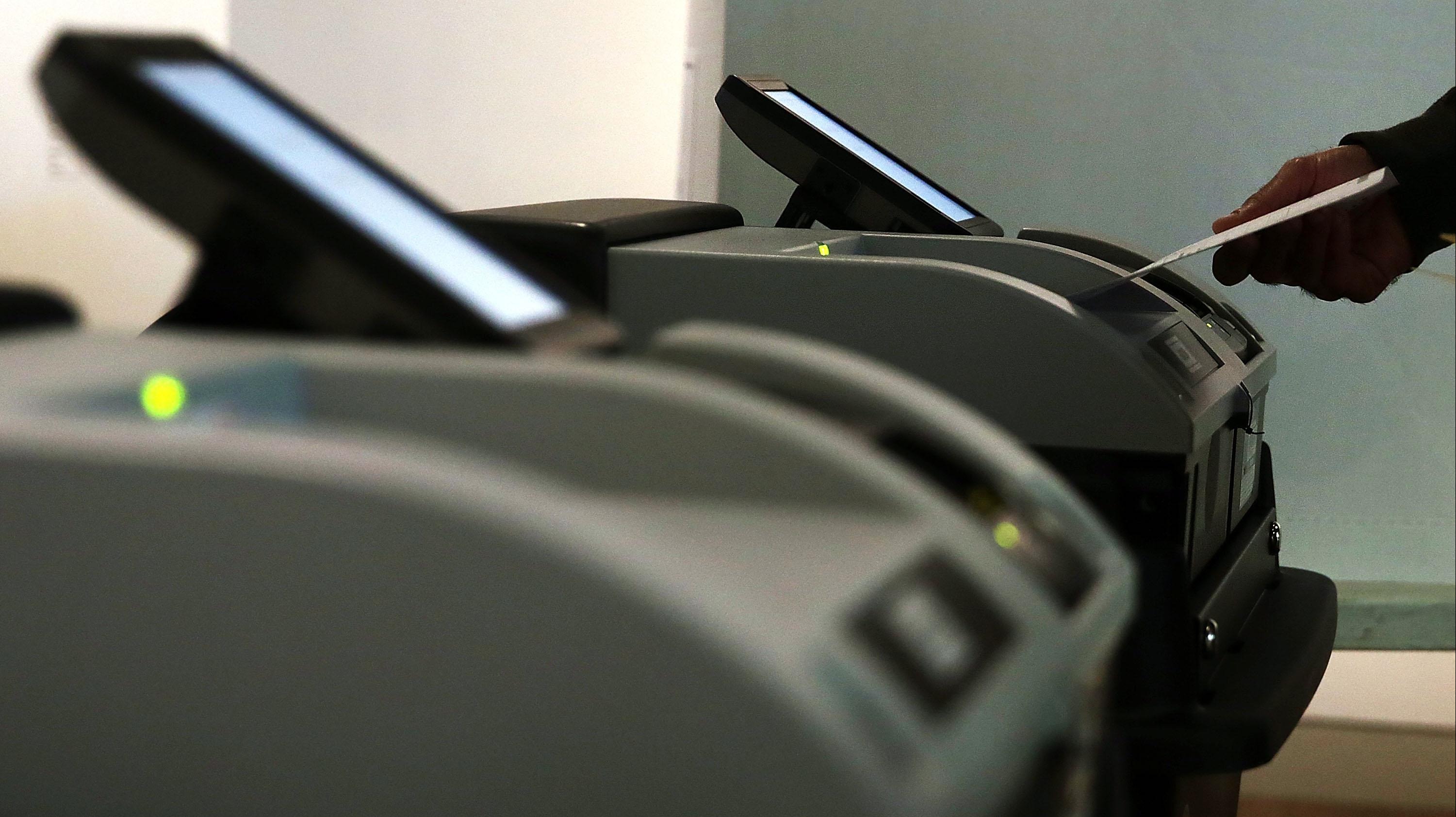
A recount is a meticulous, hands-on process conducted by county boards of canvassers. It's an open, public meeting where representatives for each candidate can be present to observe and raise challenges. The process involves physically re-tallying ballots. This can be done through a manual hand count, or by running the ballots through tabulation machines again. The core job is to verify the vote count and determine voter intent on any ambiguously marked ballots. Officials check that ballot containers were properly sealed and that the number of ballots matches the records in the poll book. If a precinct's ballot box was tampered with or the numbers don't add up in a way that can be reconciled, that precinct may be deemed 'unrecountable,' and its original certified results are used instead.
The Final Verdict: Do Recounts Change Results?
While recounts are a critical safeguard for election integrity, they very rarely change the outcome of an election. Most recounts confirm the original winner, often with only minor shifts in the vote totals. For a result to flip, there would need to be a systemic error in the initial count or a large number of incorrectly processed ballots, which is uncommon with modern tabulation equipment. However, the process serves a vital purpose beyond just changing a result. It provides transparency, builds public confidence, and ensures that every valid vote was counted correctly. It acts as a final, thorough audit that confirms the accuracy of the election, providing a definitive answer in a close contest.