
What Triggers a Recount?
Unlike some states, Rhode Island does not have automatic recounts based on thin margins of victory. Instead, a recount must be officially requested. This can be initiated by a candidate, a group with recognized
standing for a ballot question, or even the Board of Elections itself if irregularities are suspected. For a candidate to be eligible to request a recount, the vote margin must be exceptionally close. The specific threshold depends on the total number of votes cast for the office. For example, in a race with 20,000 or fewer votes, the losing candidate must be behind by 2% of the vote or 200 votes, whichever is less. These margins get progressively smaller for races with more votes, ensuring that recounts are reserved for contests where a re-tabulation could realistically change the outcome.
How to Formally Request a Recount
A candidate can't simply ask for a recount; they must file a formal, written application with the Rhode Island Board of Elections. This request must be a physical, notarized document—faxes and emails are not accepted. The application must include the candidate's name and contact information, the specific office in question, and the candidate's signature. The deadlines are strict. For a primary election, the request must be filed by 4:00 p.m. on the day after the primary. For a general election or a ballot question, the deadline is 4:00 p.m. on the ninth day after the election results are declared. A similar process exists for groups of 'recognized standing' who wish to contest the results of a ballot measure, requiring them to have been actively involved in advocating for or against the question.
The Recounting Process Itself
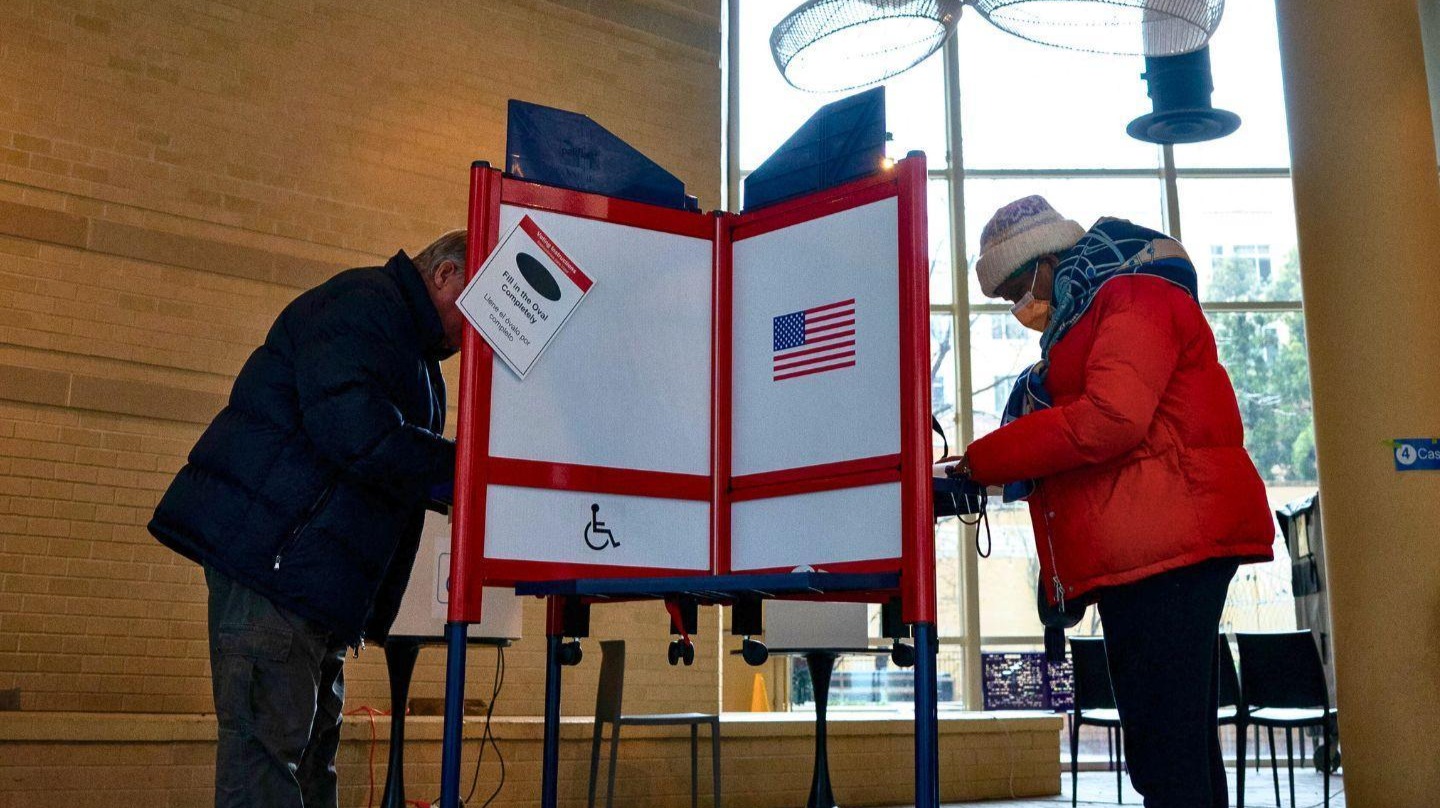
All recounts in the state are conducted at the Board of Elections headquarters in Cranston and are open to the public. Once a valid recount request is received, the Board secures all the relevant ballots to protect their integrity. The actual method of recounting depends on the circumstances. Most recounts begin with a re-reading of the machine-readable ballots or the voting machine memory devices to compare the totals with the election night results. If discrepancies appear, the process can escalate to re-feeding the paper ballots into the optical scan machines. A full manual, hand-tally of ballots is rare and generally reserved only for write-in candidates who meet specific criteria, including receiving a certain number of votes. Throughout the process, representatives for the candidates are welcome to be present and observe the proceedings, ensuring transparency.
Finalizing the New Result
The recount is not just an informal check; its outcome is binding. After the re-tabulation is complete, the Board of Elections compares the new totals to the original ones. If the recount changes the winner of the race, the official results are amended. No certificate of election can be issued until any requested recount is fully completed and the results are certified by the Board. This final step ensures that the official record reflects the most accurate count possible. The entire process, from the initial request to the final certification, is designed to be methodical and transparent, providing a clear and legally sound resolution to a close contest. The goal is to reinforce public confidence that the declared winner is, in fact, the candidate who received the most valid votes.