



What is a Canvass, Anyway?
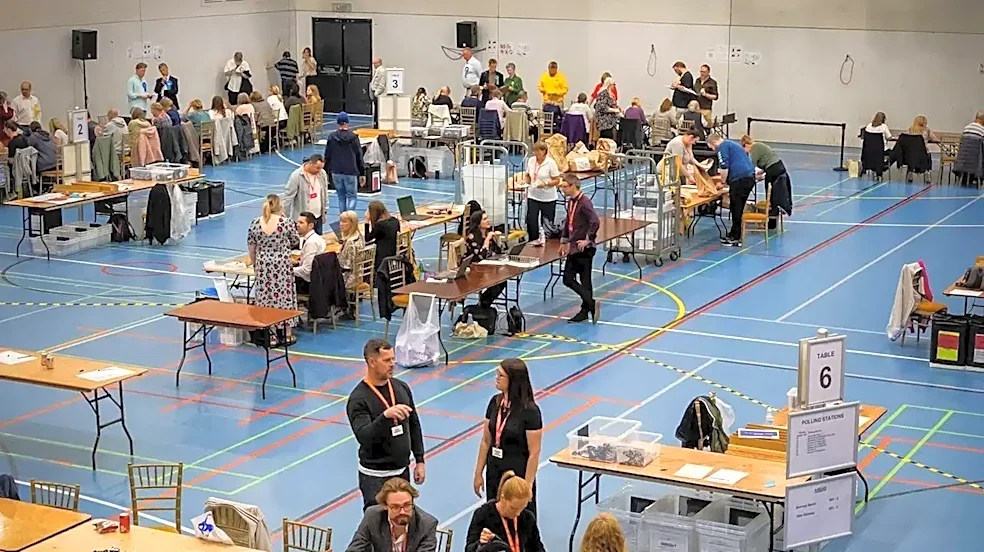
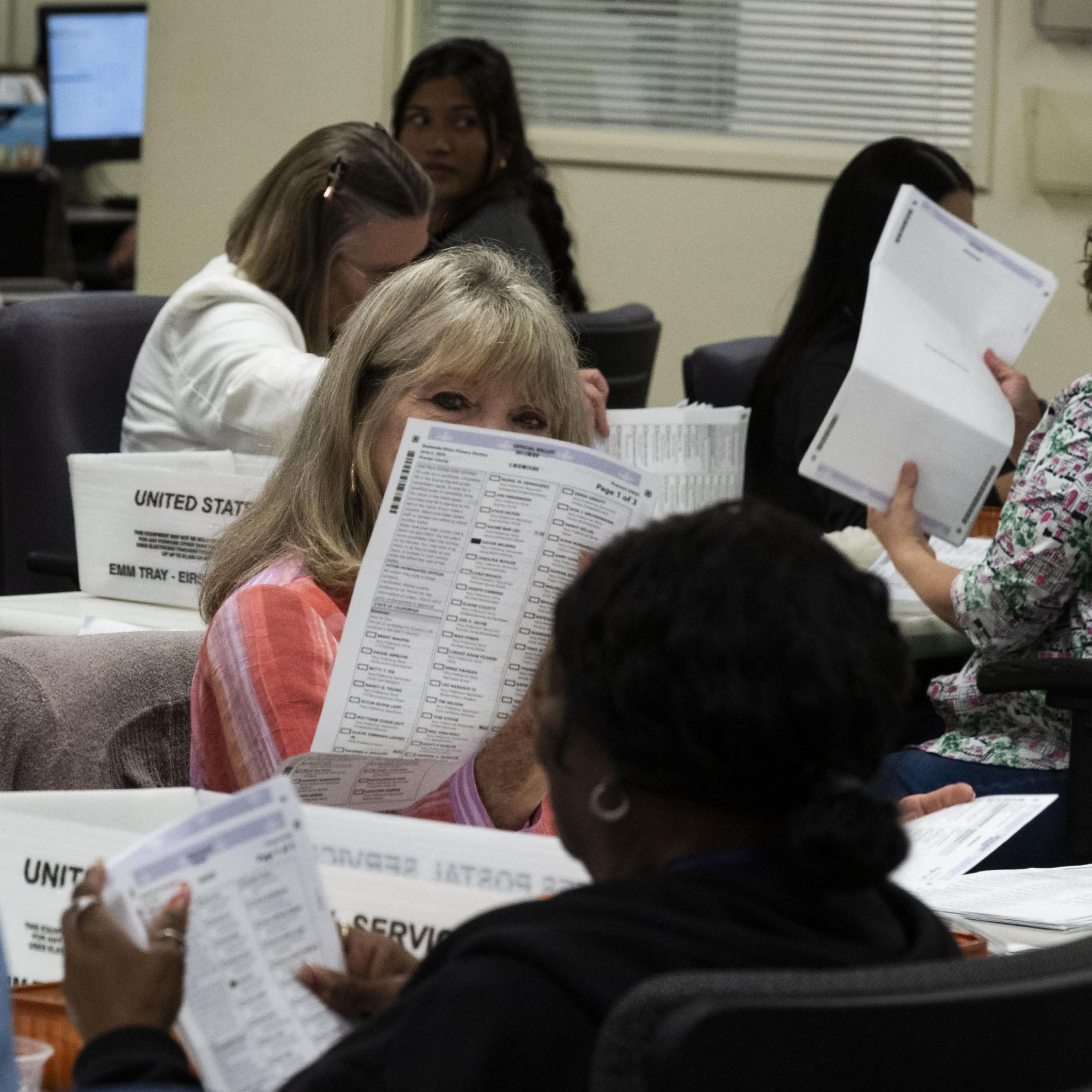
Think of the canvass as the official audit of an election. It’s not a recount, but rather a methodical, legally required process where election officials verify that every valid vote has been correctly tallied. The canvassing authority, which is typically the county’s Commissioners Court for most elections, opens the sealed precinct returns and prepares an official tabulation. This process confirms the vote totals from each precinct, sums them up, and ensures all paperwork is in order. It also includes reviewing and counting any eligible provisional ballots. The canvass is a mandatory, ministerial duty designed to ensure accuracy and public confidence before results are declared final and winners are certified.
The Local Canvass: The County Level
The first phase of the official
count happens at the local level. For a general election held in November of an even-numbered year, Texas law requires the local canvass to be held no later than the 14th day after the election. For other elections, such as those in May or odd-numbered years, the deadline is typically the 11th day after the election. However, the canvass cannot begin until at least the third day after the election, and not until all provisional ballots and timely overseas ballots have been processed. This waiting period is crucial for making sure every legitimate vote, including those that require extra verification, is included in the final count. Once the county canvassing authority completes its tabulation and certifies the results, they are sent to the Texas Secretary of State.
The State Canvass: The Final Step
Once all 254 counties have submitted their certified results, the process moves to the state level for federal and statewide offices. The state canvass is conducted by the Governor. According to the Texas Election Code, this final review must take place no earlier than the 18th day after the election and no later than the 33rd day. This window gives state officials time to receive and compile the results from every county. For the offices of Governor and Lieutenant Governor, the results are canvassed by the state legislature during the first week of its session. After the state canvass is complete, the Governor issues the official certificates of election to the winners, formally concluding the election process.
Why These Deadlines Matter
These timelines aren't just bureaucratic red tape; they are fundamental guardrails for democracy. The structured process ensures that results are verified methodically, preventing a rush to judgment based on incomplete, unofficial election night returns. The built-in delays allow time to cure issues with mail-in ballots and verify provisional ballots, protecting the rights of every voter. While unofficial results on election night often give a clear indication of the winner, the canvass is what makes it official. These legally mandated deadlines provide a transparent, predictable, and uniform procedure for finalizing results, which is the bedrock of a trustworthy election system and the peaceful transfer of power. Adhering to this schedule is a non-discretionary duty of election officials, designed to protect the process from political interference.