

The Short Answer: Yes, But With Rules
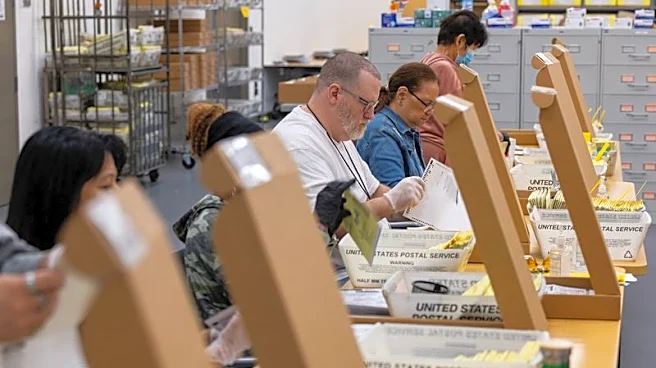
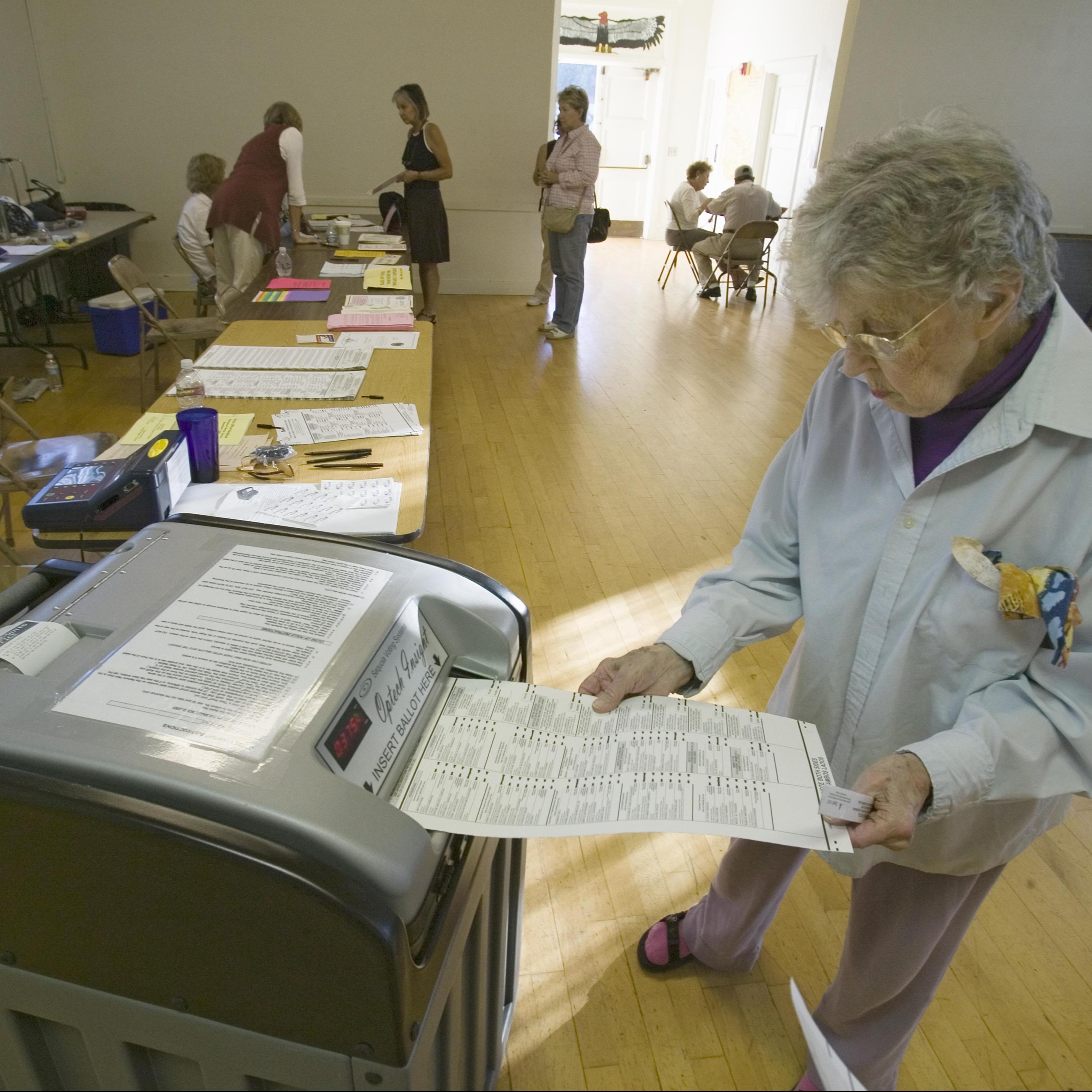
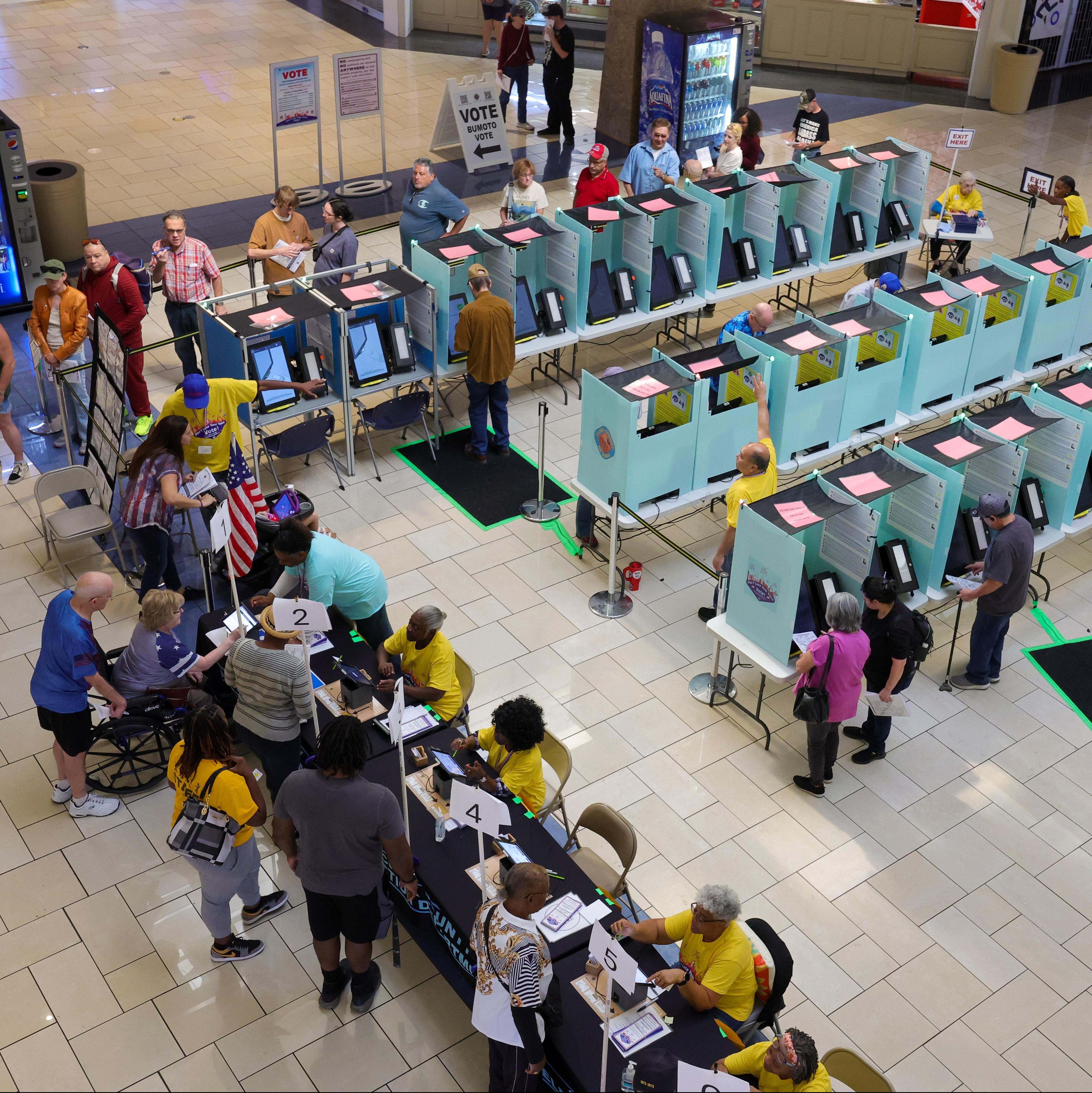
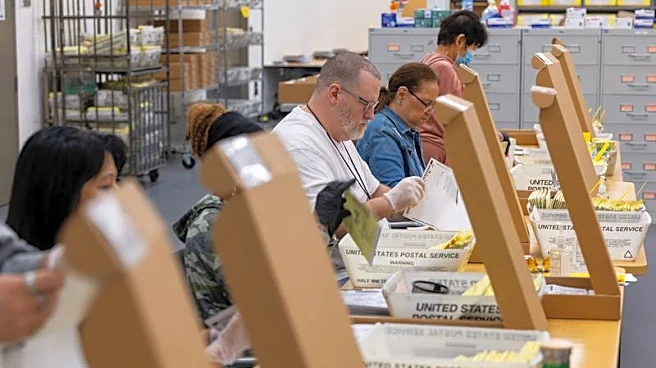
To get straight to the point: yes, Rhode Island absolutely permits observers during the vote counting process. State law not only allows for public observation but sees it as a key feature of a transparent election. The counting and certification of mail ballots, for instance, are open sessions. However, this isn’t a free-for-all where anyone can wander in and stand over an election worker’s shoulder. The process is governed by a detailed framework that distinguishes between different types of observers and dictates exactly what they can and cannot do. This structure is designed to welcome public oversight while preventing interference, intimidation, or disruption that could compromise the very election it’s meant to safeguard.
Who Gets a Ringside Seat?
Rhode Island law
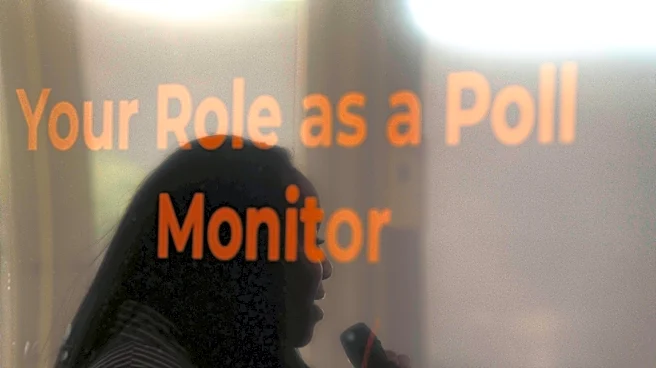
specifies different roles for those watching the election process. The most formally recognized positions are for political parties. Each recognized party can appoint 'checkers' and 'watchers' who must have official credentials from their town or ward party chairperson. Checkers are primarily there to keep track of who has voted, while watchers have the more significant authority to observe and, if necessary, challenge a voter's eligibility. Beyond these party-affiliated roles, the state also makes provisions for candidates, their representatives, and even an interested voter to witness the processing of mail ballots. The Board of Elections also has the discretion to admit representatives of the press and other members of the public, ensuring a broad spectrum of oversight. This tiered system ensures that those with a direct stake in the election have official standing, while still upholding the principle of general public access.
What Observers Can (and Cannot) Do
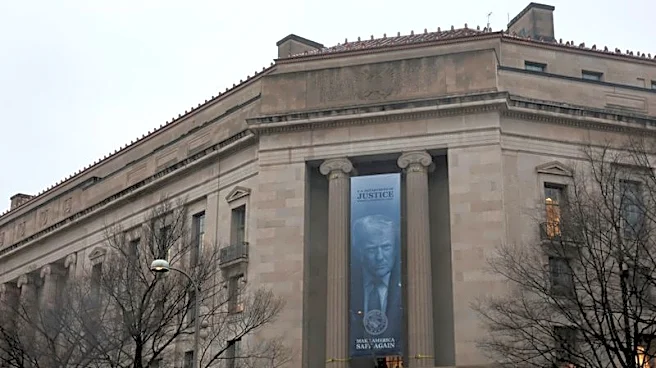
An observer's power is in watching, not participating. All observation of vote counting happens within a designated area, often behind a rail, to maintain a clear physical separation from the election officials and the ballots themselves. This ensures that no one can interfere with the count. Observers can scrutinize the process, take notes, and, in the case of official 'watchers', raise challenges. However, a challenge cannot be made on a whim; it must be based on 'good cause'. If a moderator accepts the challenge, the voter in question will cast a provisional ballot, which is set aside for later verification. Observers are strictly forbidden from interfering with the orderly conduct of the election, speaking to voters inside the polling place, or using their position to intimidate anyone. Federal monitors from the Department of Justice, if present, are also generally required to follow the same rules as the public.
The 'Why' Behind the Guardrails
The rules governing observers are all about striking a critical balance. On one side is transparency. Allowing the public and party representatives to witness the count builds confidence in the results and provides a check against procedural errors or malfeasance. Public notices are posted on the Board of Elections and Secretary of State websites to inform people of when mail ballot certification sessions will occur. On the other side is the need for an orderly, secure, and private voting process. The rules prevent observers from slowing down the count, influencing election workers, or intimidating voters. By creating designated spaces and clear standards of conduct, the state aims to protect the integrity of the process from both internal and external threats, ensuring that the final tally is accurate and trustworthy.