






The 'Automatic' Recount Myth
First, let's clear up the most common misconception. Despite what many believe, Wisconsin does not have automatic recounts, no matter how close an election is. If the final margin is a single vote out of millions, a recount is still not triggered on its own. Instead, the process must be formally initiated by an 'aggrieved candidate'—meaning someone who has lost the race but is within a specific margin defined by state law. This is a crucial distinction; the burden is on the candidate to ask for a recount, not on the state to provide one unsolicited.
The 1% Margin to Petition
So, what does it take for a candidate to qualify to ask for a recount? The key threshold is a 1% margin. For any election with more than 4,000 votes cast, a losing candidate can petition for a recount as long
as their vote total is within 1% of the winner's total. For example, in an election where 3.5 million votes are cast for an office, the margin would need to be 35,000 votes or fewer. For smaller elections with 4,000 or fewer votes, the rule is a flat 40-vote margin. This window gives candidates a path to verify the results in exceptionally close contests, but it doesn't mean the recount is free.
Who Foots the Bill? The 0.25% Rule
This is where the process gets particularly interesting. While a candidate can request a recount within the 1% margin, who pays for it depends on an even smaller number: 0.25%. If the difference between the winner and the petitioner is 0.25% or less of the total votes cast, the recount is conducted at the taxpayers' expense. However, if the margin is greater than 0.25% but still within the 1% petitioning window, the candidate requesting the recount must pay the entire estimated cost upfront. This can be a substantial sum; the estimated cost for a statewide recount in 2020, for example, was nearly $8 million. The campaign must wire the money before any ballots are re-examined. If the recount flips the election's outcome, the fee is refunded.
The Process After a Petition Is Filed
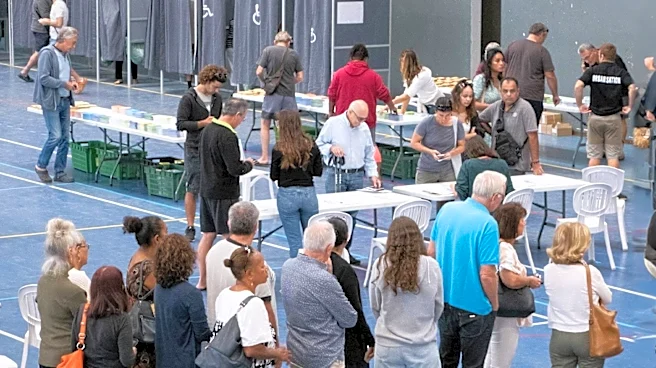
Once a valid petition is filed and any required fee is paid, the Wisconsin Elections Commission issues a recount order. The process is then handled at the county level by each county's board of canvassers. The recount itself is a public proceeding where representatives for each candidate can observe and raise objections to specific ballots. It’s more than a simple re-scan of machine-counted ballots; canvassers may be required to review absentee ballot envelopes, assess provisional ballots, and make judgments on voter intent on damaged or improperly marked ballots. The entire process is conducted on a tight deadline, typically needing to be completed within 13 days of the order.