



The 21-Day County Deadline
The short answer is that Washington's 39 counties have three weeks to do their work. State law dictates that for a general election, county canvassing boards must complete their review and certify their local results no later than 21 days after Election Day. For a primary, the deadline is 14 days, and for special elections in February or April, it's just 10 days. This period is crucial for processing all the ballots that weren't included in the election night count, such as those that arrived by mail on Election Day. For the November 2026 general election, for instance, this means county certifications will be due by November 24, 2026.
What Exactly is a 'Canvass'?
Think of canvassing as a comprehensive audit of the election. It's the official process of making sure the votes
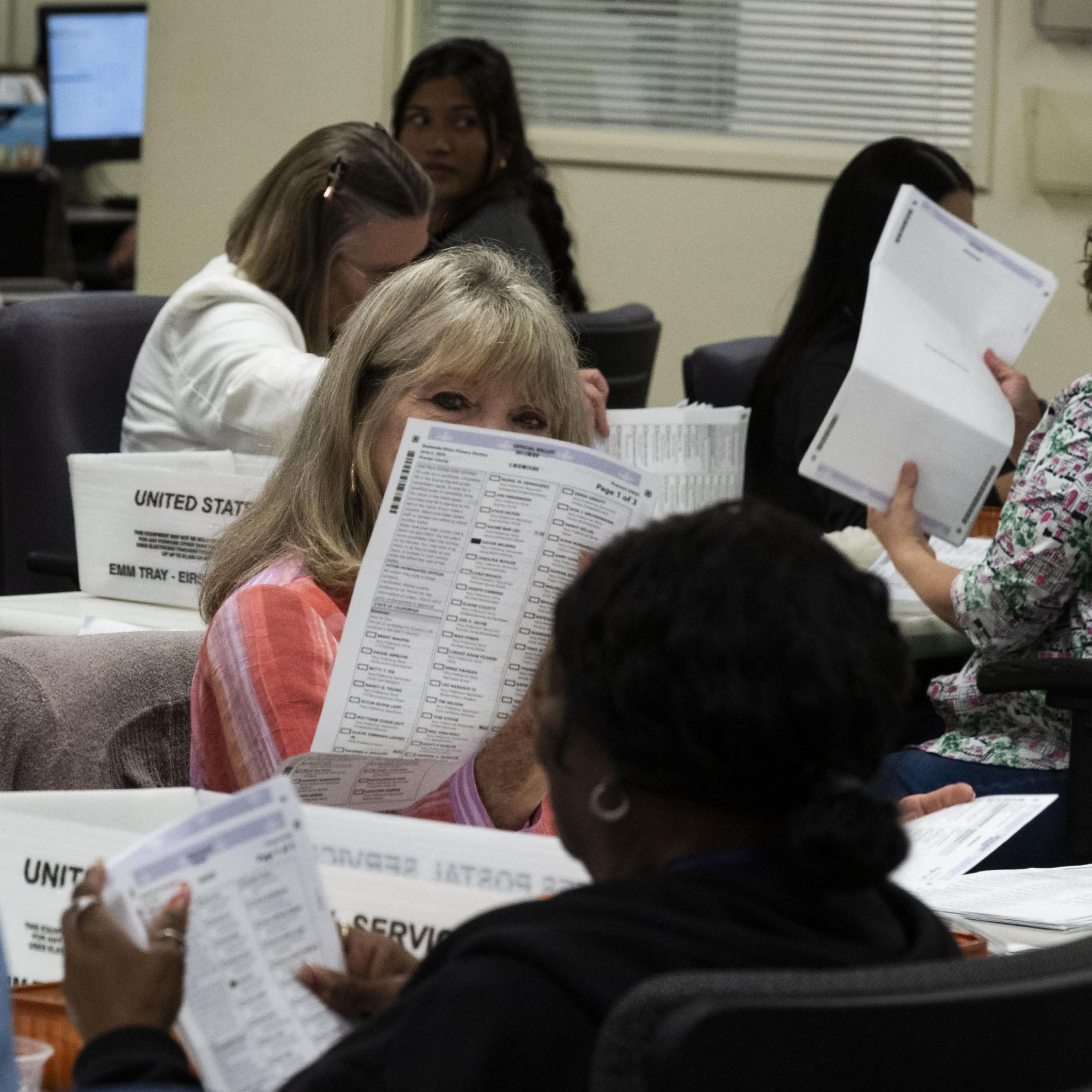
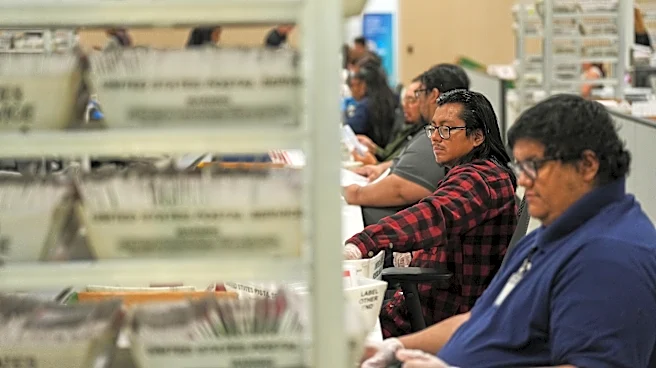
are tallied correctly and that the number of ballots counted matches the number of people who voted. In Washington’s vote-by-mail system, a major part of this involves verifying the signatures on every single ballot return envelope against the voter's registration record. Election officials also examine provisional ballots, which are given to voters whose eligibility might be in question, and deal with any ballots that were damaged and couldn't be read by the counting machines. This meticulous work is performed by a county's canvassing board, which, by law, consists of the county auditor, the county prosecuting attorney, and the chair of the county's legislative body.
From County Certification to Statewide Results
Once each county canvassing board certifies its results, the job isn't quite done. The certified totals are sent to the Washington Secretary of State's office. The Secretary of State then has until the 30th day after the election to review all the county reports and certify the final, official results for the entire state, including for federal and statewide offices. This final step makes the election's outcome official. It's only after this statewide certification that winning candidates are formally declared and the process is legally complete. This layered approach ensures another level of review and confirmation before the results are set in stone.
Why the Built-In Delay is a Feature, Not a Bug
In an age of instant information, waiting three to four weeks for final election results can feel frustrating. But election experts emphasize that this period is a cornerstone of a secure and transparent voting system. It allows time for a thorough, human-led review of every ballot, ensuring that a simple mistake like a mismatched signature can be 'cured' or fixed by the voter. It also provides the necessary window for automatic recounts in extremely close races, which are triggered if the margin is less than 2,000 votes and also less than half of one percent of the total votes for both candidates. Rushing this process would increase the risk of errors and undermine confidence in the democratic process. The canvassing window is designed to prioritize accuracy over speed.