




Your Official Source for Results
On election night, the single most reliable place for vote totals is the official Nebraska Secretary of State's election results website. While news outlets provide crucial analysis and race calls, their data originates from the same source: the totals reported by Nebraska's 93 counties directly to the state. The state's website goes live with results after polls close at 8 p.m. Central Time (7 p.m. Mountain Time). It's important to remember that all numbers reported on election night are unofficial. The official, certified results that make the outcome final come later, after a meticulous canvassing process is completed by each county and then the state.
The First Wave: Early Votes Lead the Way
The first batch of results to be published shortly after polls close will typically be the
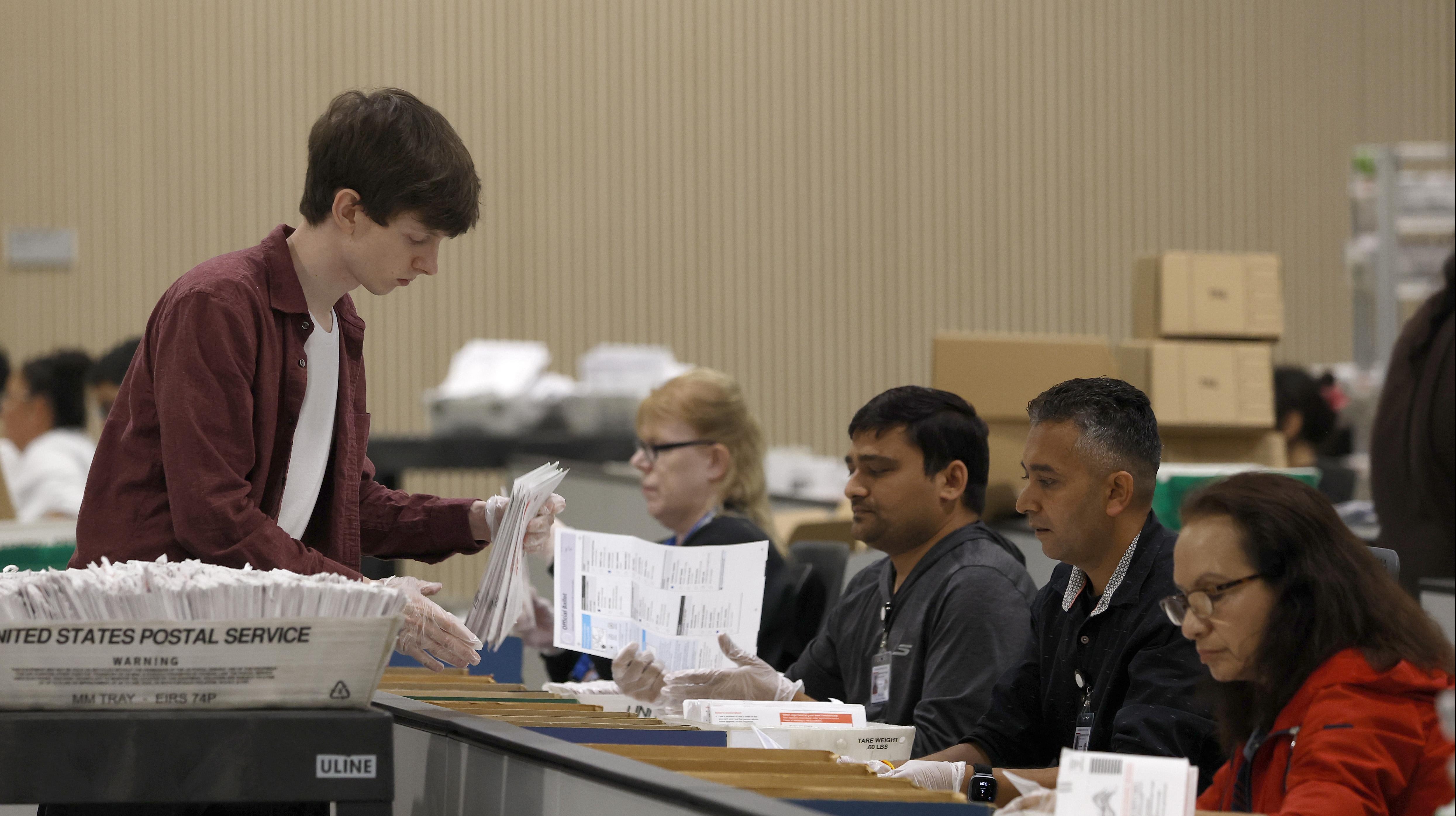
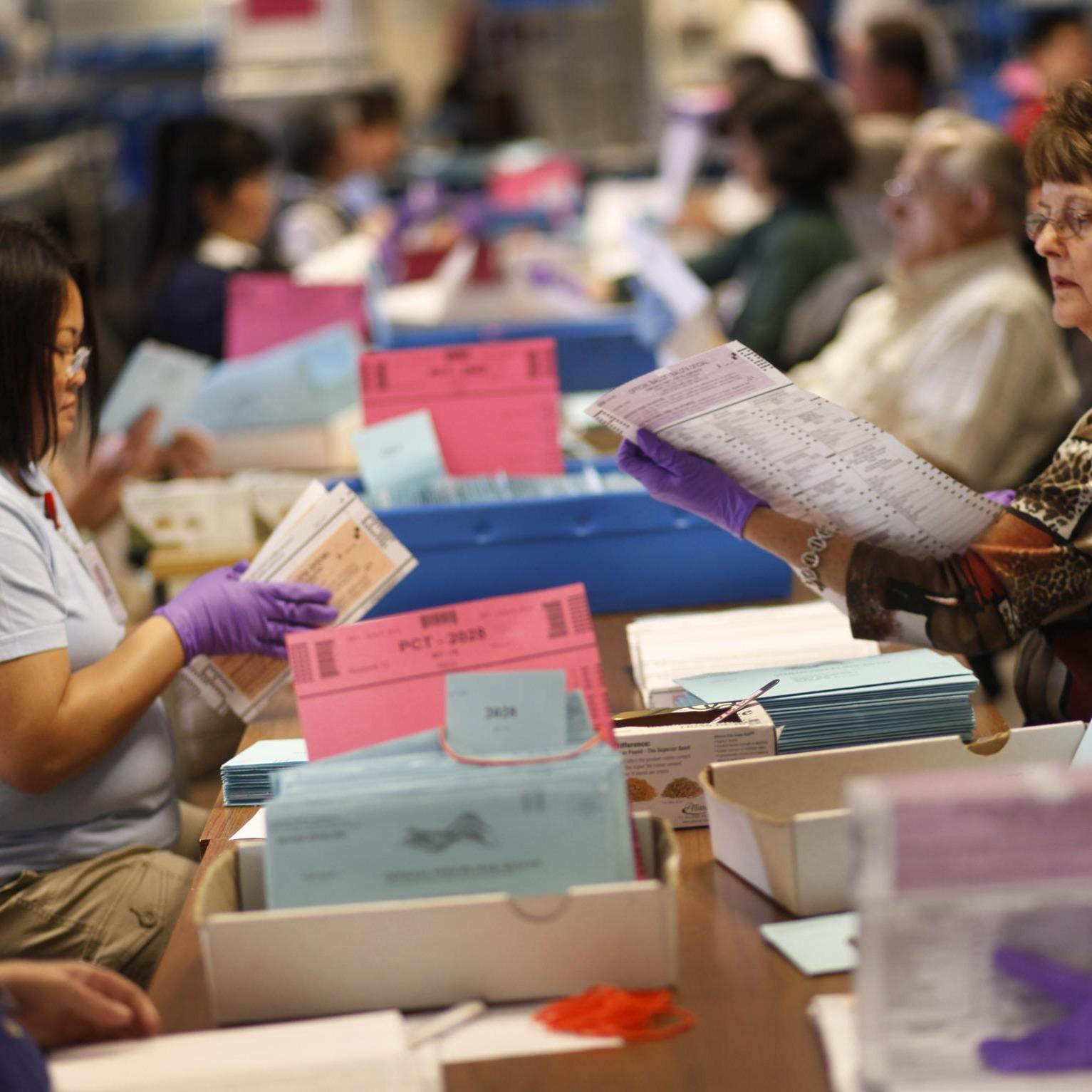
early, mail-in ballots. In past Nebraska elections, more than three-quarters of the counties have released their early and absentee vote totals in the first update of the night. Because these ballots are received ahead of Election Day, county officials have time to prepare them for counting. This often gives early votes a head start in the reporting process. Depending on the county, this initial dump of data can represent a significant portion of the total vote, especially in primaries where early voting can be very popular. Following this first wave, results from in-person voting at polling places will start to be added to the totals.
The Cadence of the Count: Updates Every Five Minutes
The "how often" is surprisingly specific: the Secretary of State's website is designed to refresh with new data approximately every five minutes as counties report their totals. However, this doesn't mean every race will change every five minutes. Updates happen in batches. A county election office will finish tabulating a batch of ballots, which could be all the early votes or the results from several precincts, and then transmit those totals to the state. The state's website then absorbs and displays these new numbers. You'll see precincts on the results site labeled as 'Partially' reported as their numbers come in, changing to 'Fully' reported once that county has submitted all its totals for the night. This process continues until all counties have checked in.
Why Patience is a Virtue
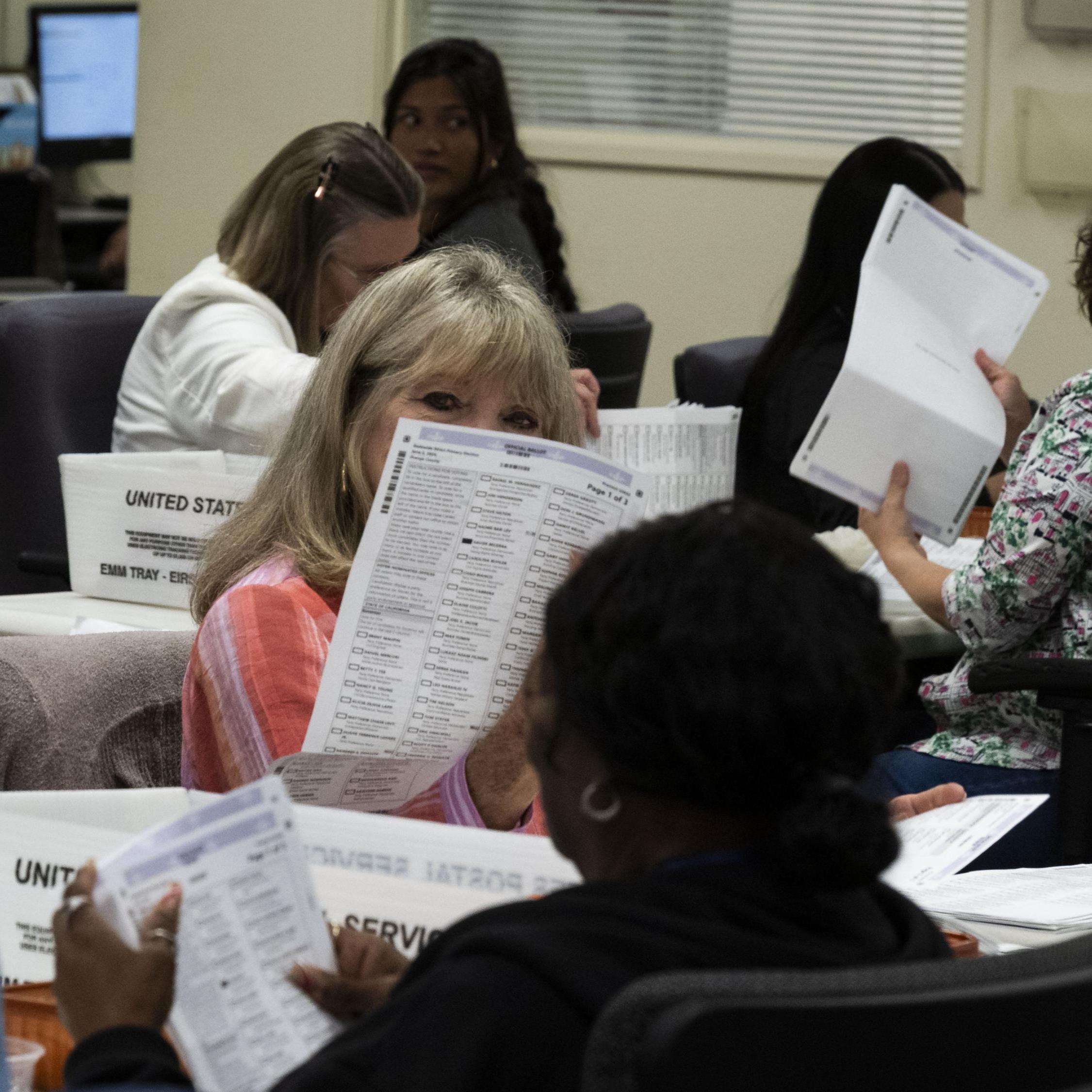
While the system is built for regular updates, the overall speed of the count is dictated by accuracy and logistics, not just speed. Larger, more populous counties like Douglas (Omaha) and Lancaster (Lincoln) simply have far more ballots to process than smaller, rural ones. These urban centers may report their in-person Election Day results later in the evening. Furthermore, every ballot goes through a secure process. Paper ballots, which are used across Nebraska, are fed into tabulation machines. These machines are not connected to the internet. The totals are then securely transferred and reported. This deliberate, security-focused process ensures the integrity of the count, but it takes time. The counting process pauses once all counties have finished reporting for the night, but some ballots, like provisional ones, may still be processed in the following days.
Nebraska's Unique Wrinkle: The Congressional District Method
Nebraska's method of splitting its electoral votes for president adds another layer to watch. Two of the state's five electoral votes go to the statewide popular vote winner, but the other three are awarded to the popular vote winner in each of its three congressional districts. This makes precinct- and county-level results within each district particularly important. A close race in the Omaha-based 2nd Congressional District, for example, can have national implications, drawing intense focus on the returns from Douglas and Sarpy counties. Understanding which counties belong to which district is key to following this unique aspect of a Nebraska presidential election night.