


The Short Answer: Yes, With Rules
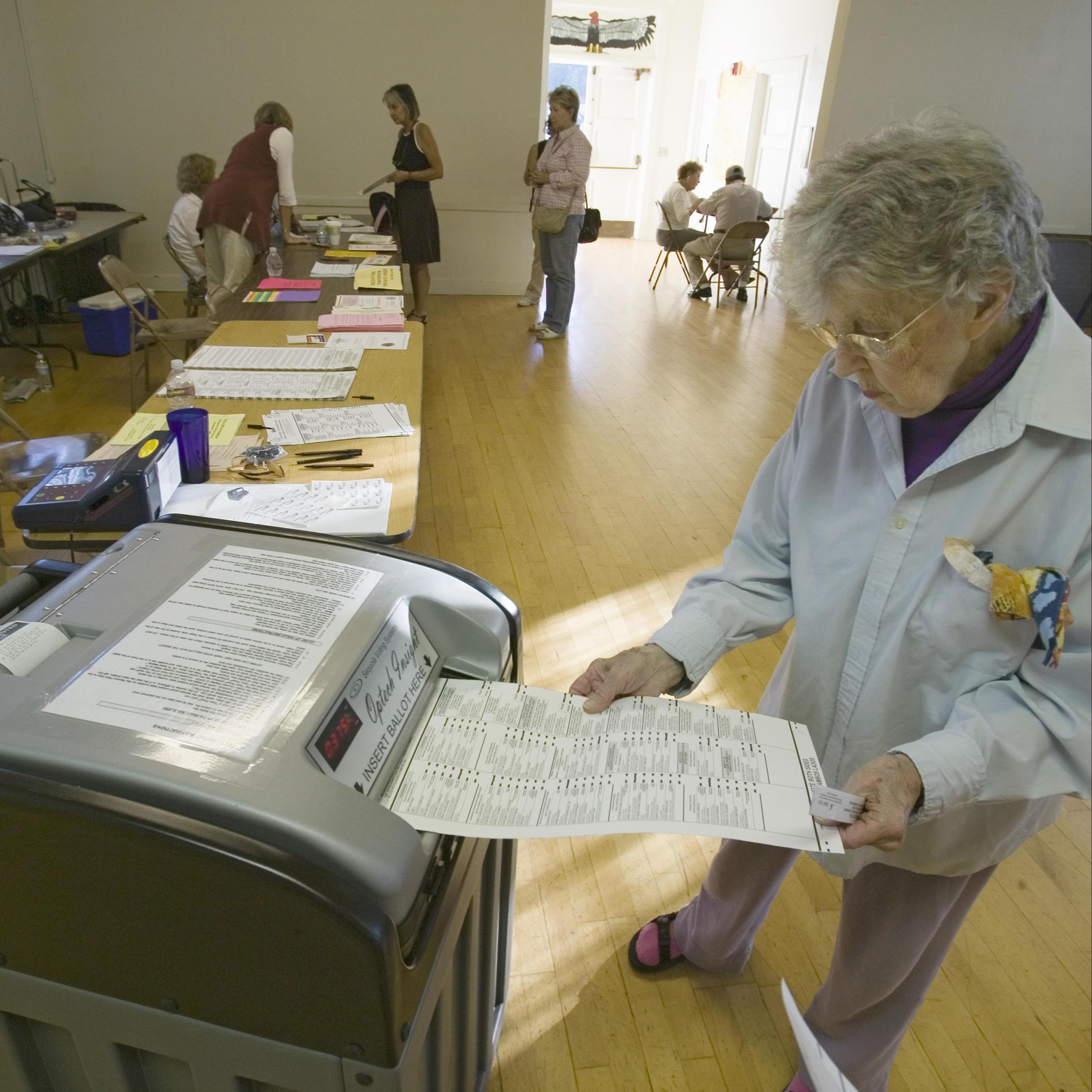
Colorado law absolutely permits observation of election activities, including the counting of ballots. The process is not a free-for-all; it's governed by specific state statutes and rules set by the Secretary of State's office to ensure transparency while maintaining security and order. These observers, officially called 'watchers', are a key part of the state's effort to foster public confidence in the election results. They can witness nearly every step of the process, from the initial testing of voting equipment to ballot processing, signature verification, tabulation, and even post-election audits and recounts.
Who Gets to Be a 'Watcher'?
You can't just walk in off the street and declare yourself a watcher. In Colorado, watchers must be formally appointed. Depending
on the type of election, appointing authorities can include political parties, candidates, and issue committees registered for or against a specific ballot measure. To be eligible, a watcher must be a registered Colorado voter. There are also restrictions: candidates and their immediate family members cannot be appointed as watchers for that candidate's own race. Once appointed, the watcher receives a 'Certificate of Appointment', which they must present to election officials at their assigned location, where they also take an oath to follow the rules.
What Observers Can (and Can't) Do
A watcher's primary role is to observe, verify, and report any potential discrepancies to election judges—not to interfere. They are permitted to be close enough to see and hear what's going on, including viewing documents and electronic screens. They have the right to challenge the eligibility of a voter, though they must direct that challenge to an election judge, not the voter. However, the list of prohibitions is long and strictly enforced. Watchers cannot touch any ballots, voting equipment, or official records. They are forbidden from talking to voters, disrupting the process, or trying to determine how someone voted. Using a phone for calls is also prohibited in polling locations. Violating these rules can get a watcher removed.
Training, Access, and Transparency
Colorado makes a distinction between trained and untrained watchers. The Secretary of State's office offers a training course. Watchers who complete this training are granted broader access; they can observe processes that may involve viewing confidential or personally identifiable information, such as signature verification. Watchers who have not completed the training can still observe many key activities, including ballot tabulation and post-election audits, but they are kept out of areas where voter privacy could be compromised. This tiered system allows for robust observation while still protecting sensitive voter data, striking a crucial balance between public access and individual privacy.