



The Short Answer: Yes, and It’s the Law
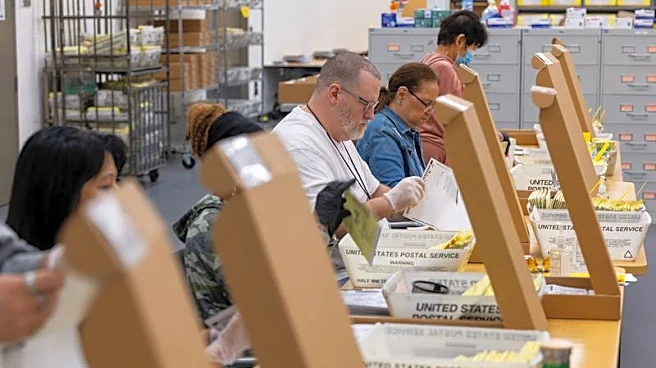
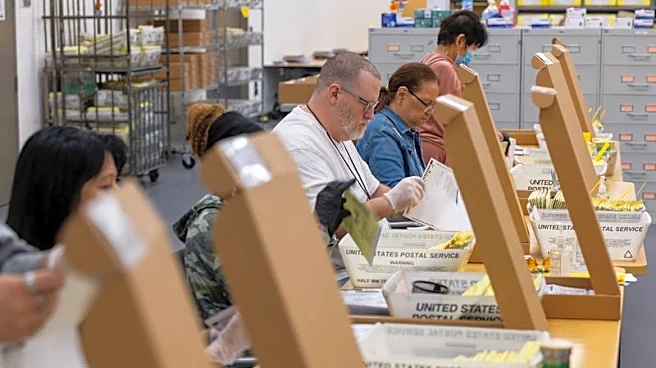
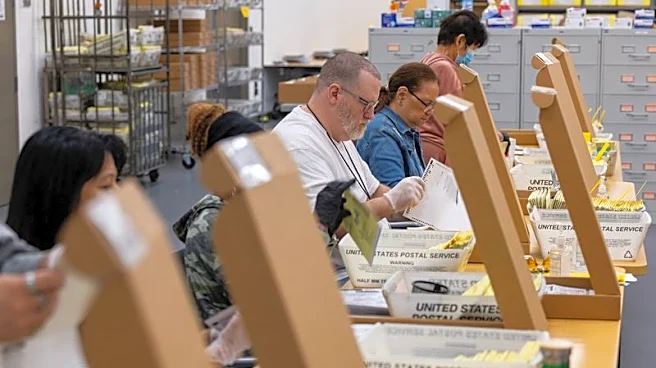
Washington state law doesn't just permit observation of the vote-counting process; it mandates it. State law requires county auditors to invite representatives from the major political parties to be present during the processing and tabulation of ballots. The proceedings must be open to observation by these designated party members, and they are also generally open to the public. This commitment to transparency is a core feature of the state’s election administration. The entire process, from sorting mail-in ballots to the final tally, is designed to be viewable. The absence of observers won't stop the count if they've been invited but don't show up, but the framework is explicitly there to allow for oversight. Many county election centers are even
physically designed with dedicated observer corridors or viewing areas to facilitate this.
Who Qualifies as an Observer?
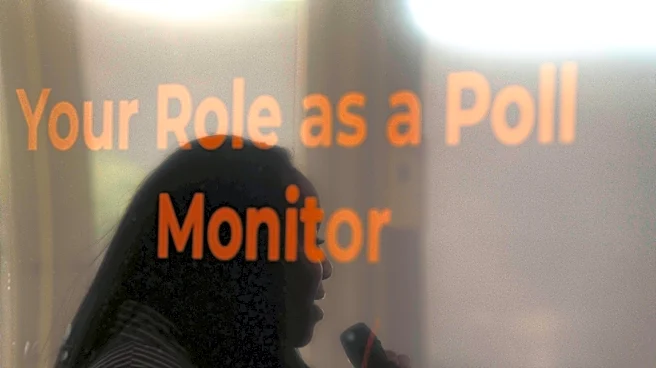
The primary observers are individuals appointed by the major political parties. County auditors formally request lists of potential observers from the county party chairs before an election. Beyond the parties, auditors also have the discretion to request observers from specific campaigns or non-partisan civic organizations, such as the League of Women Voters. While the proceedings are open to the public, there's a distinction between a member of the public watching from a designated area and an officially appointed observer who may have received specific training. County auditors have the authority to vet appointed observers and can refuse anyone they believe cannot serve properly, even after training has been offered. This ensures that those with closer access understand the rules and their role.
The Observer's Playbook: What You Can and Can’t Do
The role of an observer is just that: to observe. They are there to watch the process to ensure it is fair and follows procedure, not to interfere with it. The rules are strict and clear. Observers cannot touch ballots, ballot envelopes, or any election equipment. They are prohibited from taking photos or videos of voted ballots. They cannot challenge decisions made by election workers, such as signature verifications, or object to whether a ballot is counted. Furthermore, observers are forbidden from speaking with election staff while they are working, with questions typically directed to a designated supervisor to avoid disruption. Engaging in any 'electioneering'—persuading voters or promoting a candidate or cause—is also strictly forbidden near voting centers and drop boxes. An observer who becomes disruptive or fails to follow the rules can be removed from the facility by the county auditor.
Balancing Transparency with Security and Efficiency
The detailed regulations governing observers are designed to strike a crucial balance. On one hand, allowing the public and party representatives to watch the count builds confidence and trust in the election's outcome. It demystifies the process and provides a layer of accountability. On the other hand, the count itself is a complex, secure, and highly organized operation. The rules preventing observers from touching materials or interfering with staff are essential to protect the integrity of the ballots and the privacy of every voter. They also ensure that the election workers, who are performing methodical and legally mandated tasks, can do their jobs efficiently and without intimidation. The system is set up to prove its trustworthiness through sight, not to be ground to a halt by constant second-guessing or physical intervention from onlookers.