


It All Starts at the Local Level
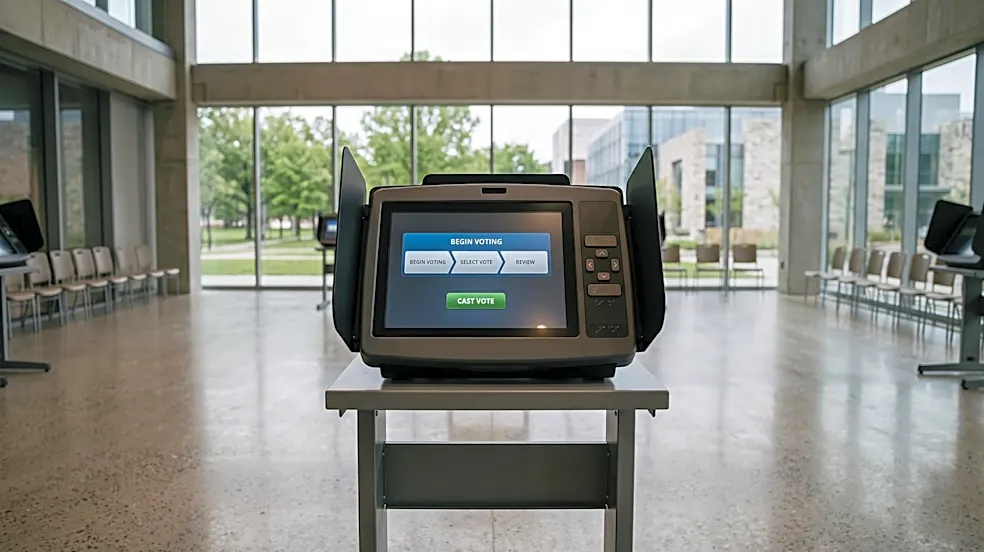
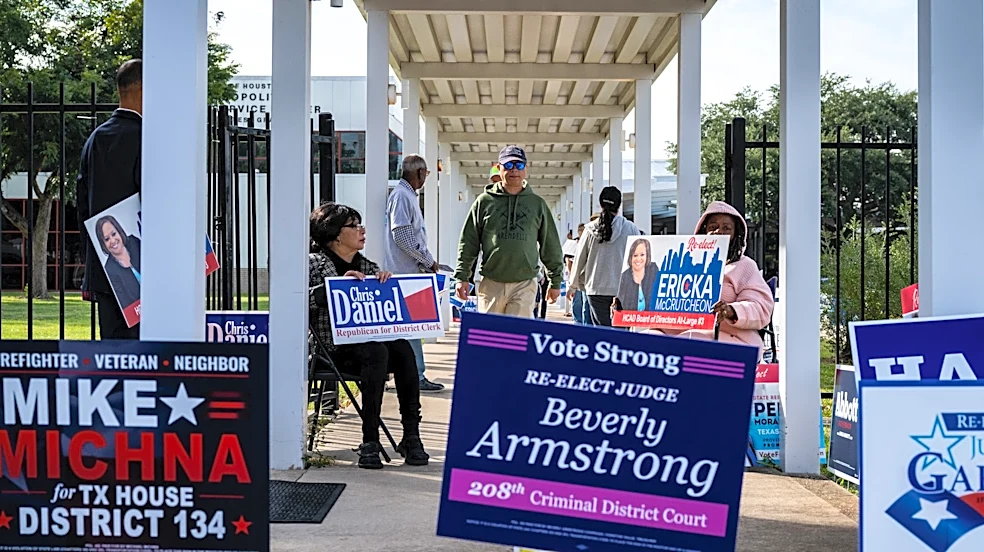
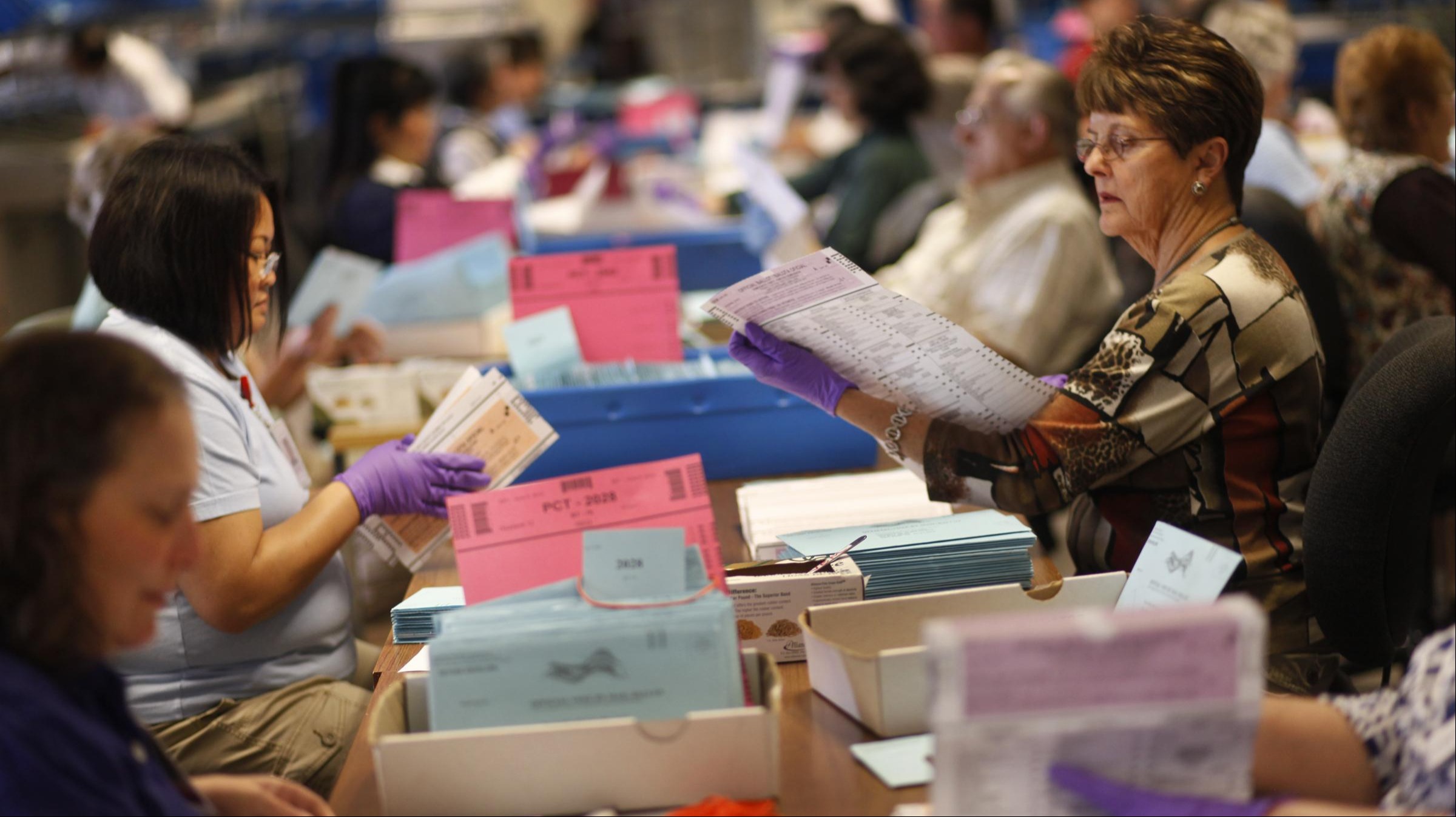
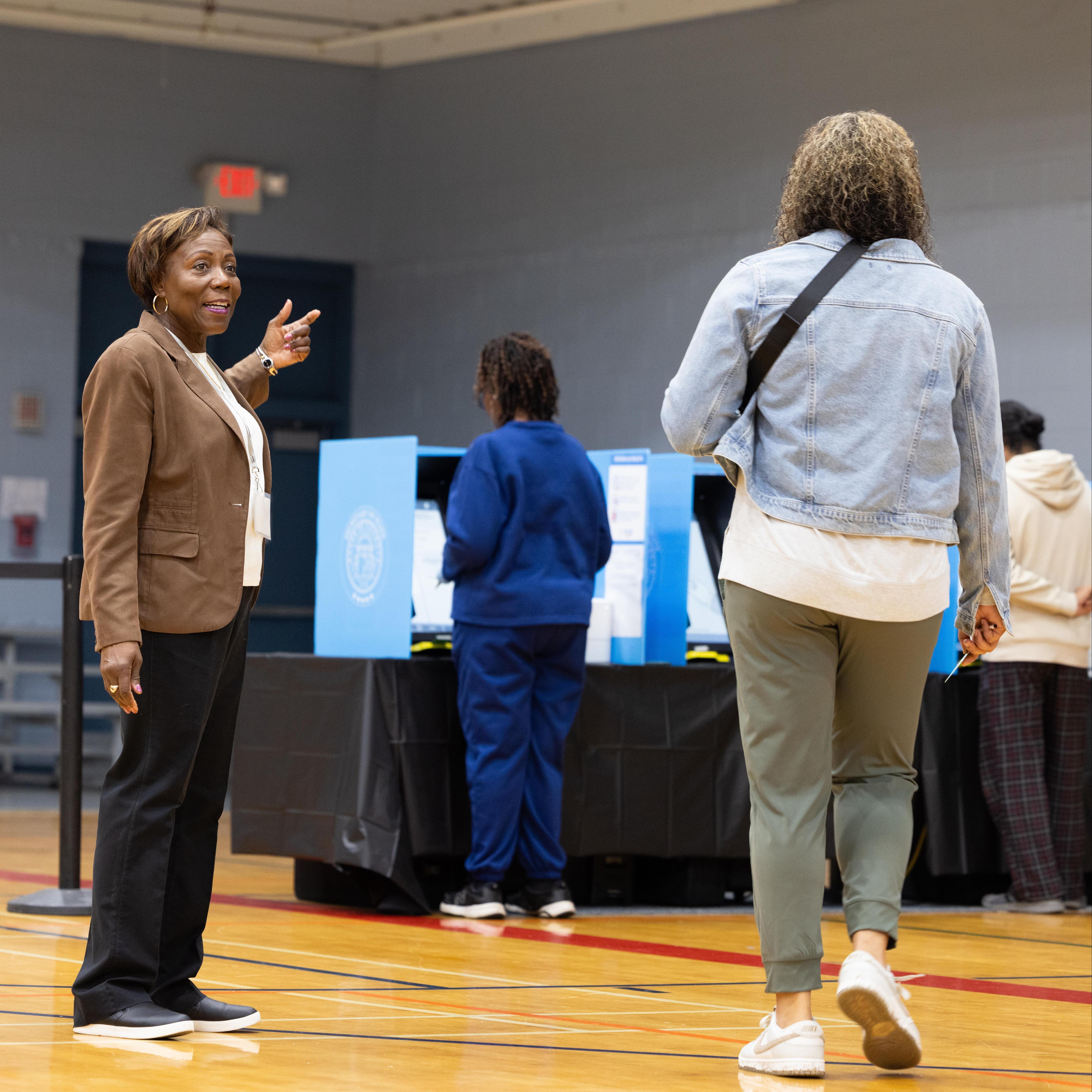
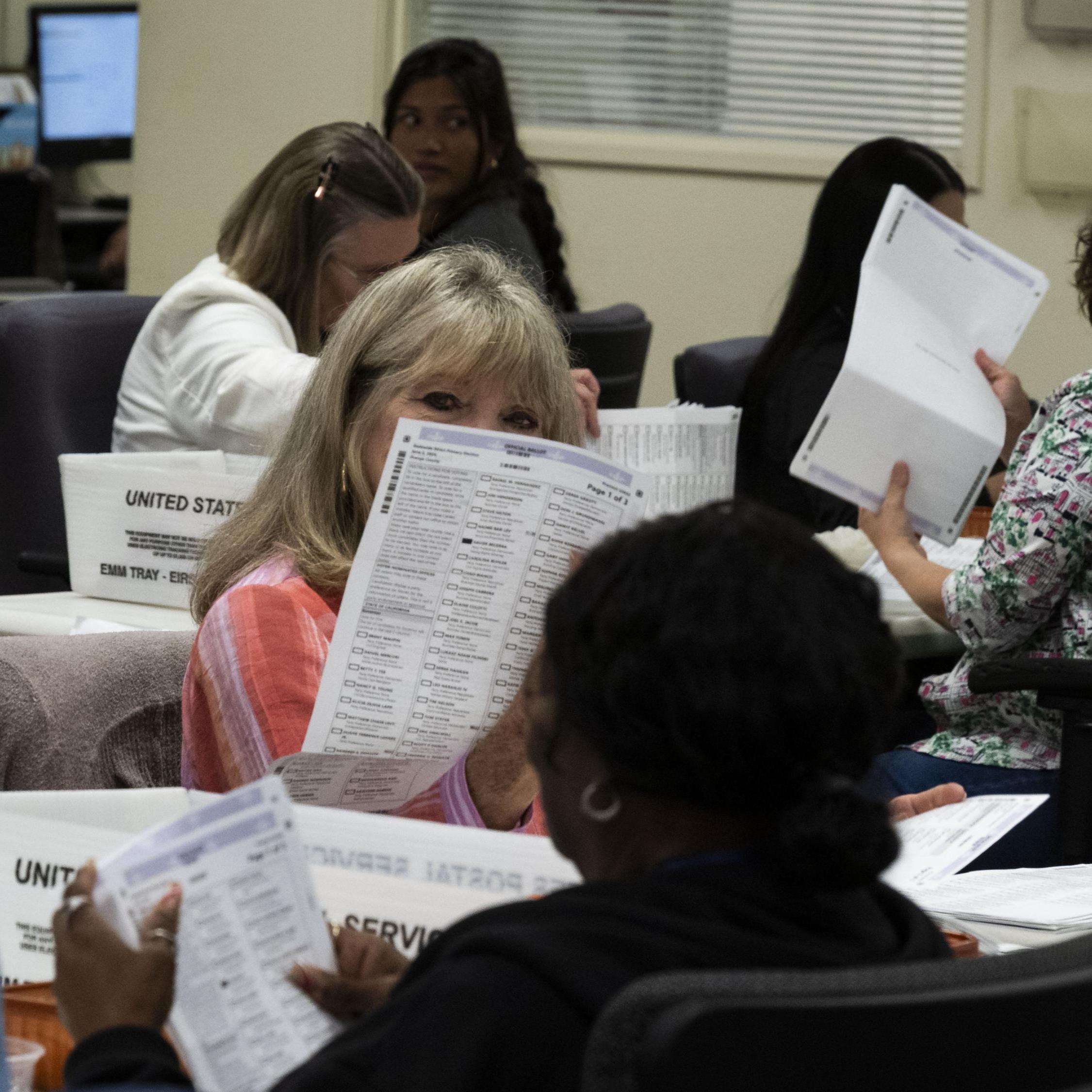
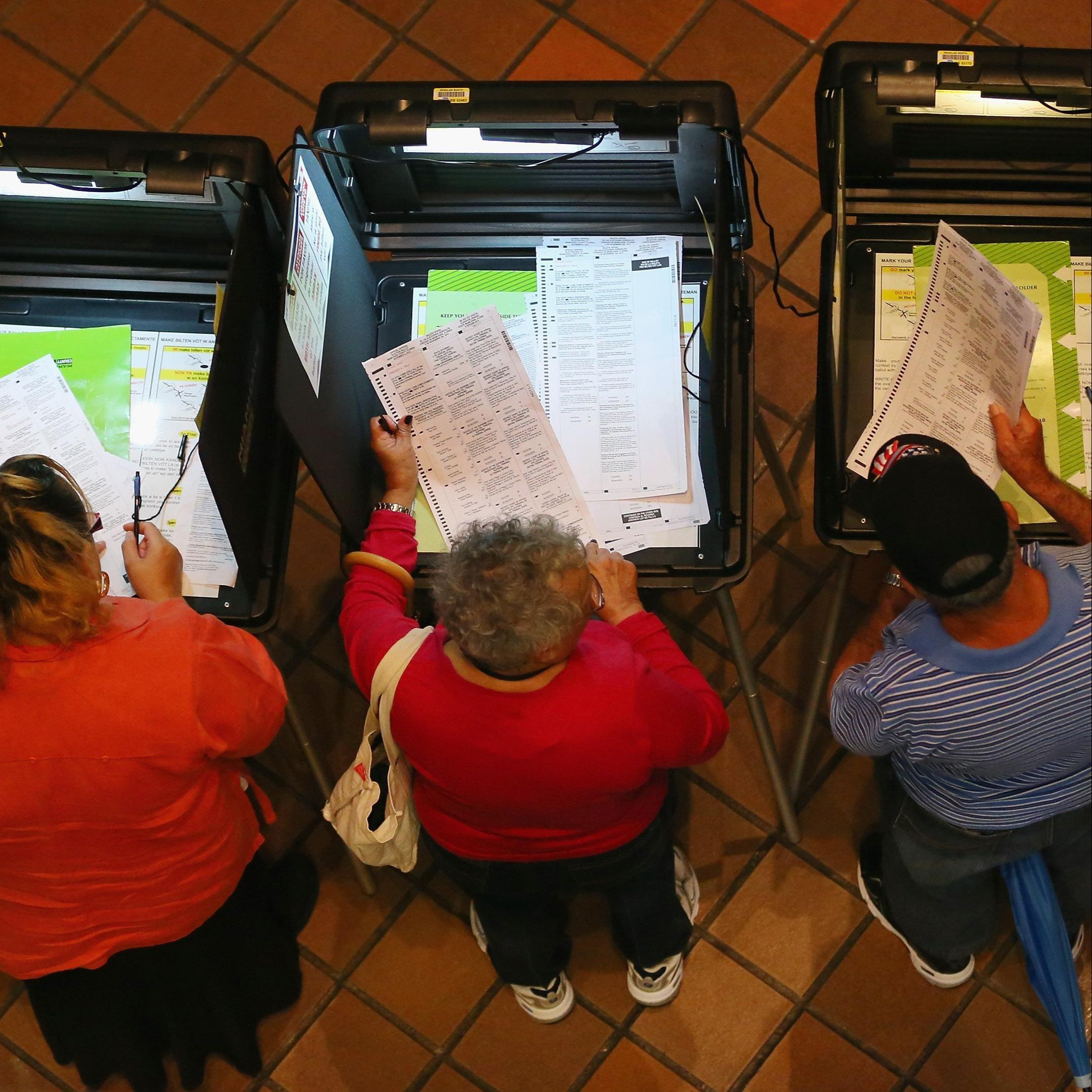
New Hampshire’s election system is built on a foundation of fierce local control. The state is divided into 221 towns and 13 cities, which are further broken down into wards. When polls close—no earlier than 7 p.m.—the process begins immediately at each individual polling place. Paper ballots are the norm, and they are typically counted right there, either by hand or by a ballot counting device, under the watchful eye of the public and election officials. This hyper-local, public counting is a hallmark of the state’s approach to transparency. Unlike states where ballots are transported to a central county facility, in New Hampshire, the action is right where the votes were cast.
From Town Moderator to the State
Once the ballots are tallied, the local moderator—the chief election
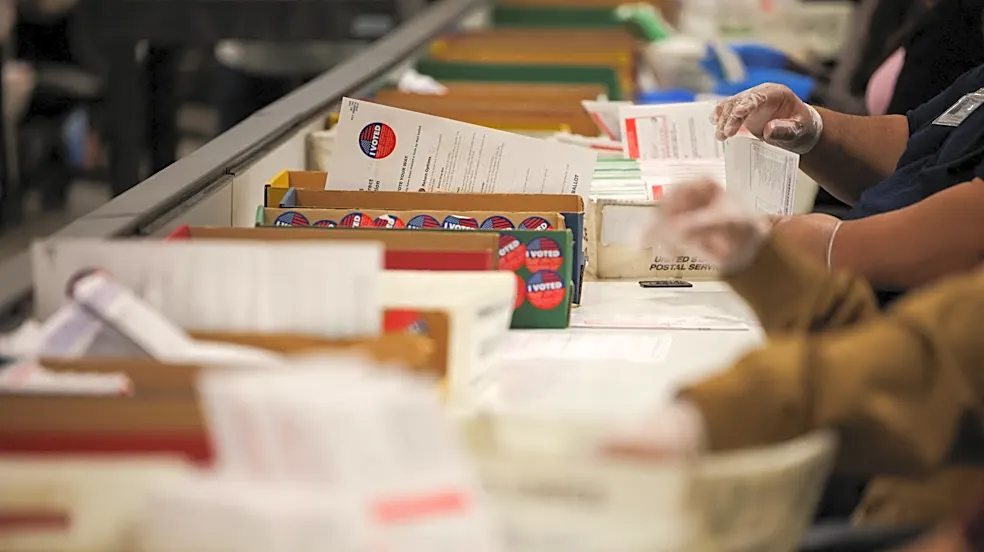
officer of the polling place—announces the unofficial results. They then provide these results to the town or ward clerk. It is this clerk’s responsibility to formally report the numbers to the New Hampshire Secretary of State's office. This reporting is not a suggestion; clerks must submit the official 'Return of Votes' forms by 8:00 a.m. the day after the election. For polling places using a counting device, a copy of the machine's results tape must be sent along with the hand-filled forms. This creates a direct, albeit sometimes slow, pipeline of information from over 230 separate jurisdictions straight to the state's central hub.
What You Actually See Online
On election night, the New Hampshire Secretary of State’s website becomes the primary source for official, albeit unofficial, results. What you see isn't a polished, dynamic map with a single 'percentage reporting' metric. Instead, the state publishes the raw data as it comes in from each town and ward. The results are often presented in simple formats, like PDF or Excel files, broken down by race and by municipality. This means you can see the complete, raw vote totals for Manchester's Ward 5 while still waiting for any results at all from a small town in the Great North Woods. It’s granular, unvarnished, and gives observers a direct view of the vote counts as they are finalized locally.
The 'How Often' Question: A Trickle, Then a Flood
So, how often are results updated? The answer is: continuously, but not on a fixed schedule. There's no 'every 15 minutes' rule. Updates appear as individual clerks complete their counts and successfully transmit their 'Return of Votes' forms. This results in a distinctive rhythm. Shortly after polls close, a slow trickle of results begins, usually from smaller towns that can count their ballots quickly. As the night wears on, this trickle becomes a steady stream and eventually a flood as larger towns and cities like Nashua, Manchester, and Concord complete their work. The Associated Press, which calls races, often gets its first results within minutes of the final polls closing at 8 p.m., with the count passing the halfway mark within another 90 minutes or so.
Why This Old-School System Endures
In an age of high-tech election dashboards, New Hampshire's method can seem quaint. But its endurance is a feature, not a bug. The system is prized for its transparency and its deep roots in local control, a core part of the state's political identity. By having ballots counted in public at the polling place, it fosters a high degree of trust and demystifies the process. Observers can literally watch the votes being tallied. While it may not provide the instant gratification of a rapidly filling progress bar, this decentralized, piece-by-piece reporting method offers a different kind of reassurance: a clear, verifiable chain of custody from the ballot box to the final, public report.