


What 'Canvassing' Really Means
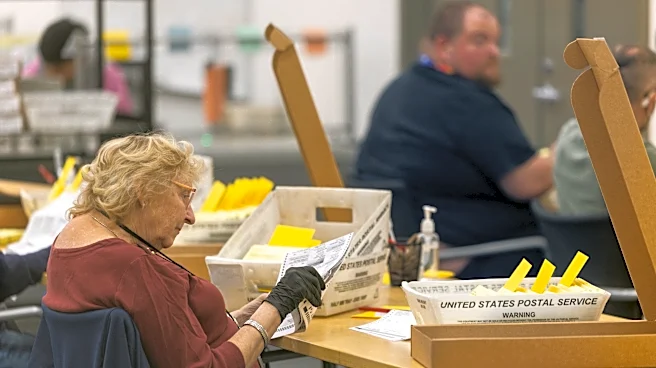
Election night results are always unofficial. The real work begins in the days that follow with the official canvass. Think of it as a comprehensive audit of the election. County election officials don't just recount votes; they reconcile the numbers from each precinct to make sure they add up. They examine the poll books and voter registration lists to ensure the number of ballots cast matches the number of voters who checked in. This is also when they make crucial decisions about provisional ballots—those cast when a voter's eligibility is in question. The canvassing board reviews each case to determine whether the ballot should be counted. This methodical review is designed to catch any discrepancies and ensure the final tally is both complete
and accurate.
The Official Timeline in the Palmetto State
South Carolina law sets a clear and structured timeline for this process. It doesn't happen overnight, and it's not supposed to. The first formal step occurs on the Friday after Election Day, when each of the state's 46 county boards of canvassers officially convenes. These boards, typically composed of the county election commissioners, begin the detailed work of examining the returns from every precinct under their jurisdiction. They are responsible for hearing any local protests and ruling on all provisional ballots. While the work begins quickly, the law gives them several days to complete this critical task, ensuring they have adequate time for a thorough review without being rushed by public pressure for immediate results.
From County Review to State Certification
The process moves from the local level to the state level in a clear chain of command. After the county boards complete their work, they must transmit their certified results to the South Carolina State Election Commission. The deadline for this is firm. The final step rests with the State Board of Canvassers. This board, which is composed of representatives from the State Election Commission, convenes within ten days of the election. Its job is to aggregate the certified results from all 46 counties, conduct a statewide review, and officially declare the winners in all federal, statewide, and multi-county races. This state-level certification is what makes the election results official and legally binding. The board can take up to fifteen days in total to complete its work if necessary.
Why Accuracy Over Speed Matters
The period between Election Day and final certification can feel long, but this built-in delay is a feature, not a bug, of the democratic process. The timeline provides the necessary space for election officials to perform their duties diligently and transparently. It allows for the careful handling of absentee ballots, the verification of provisional votes, and the resolution of any reported issues before the results are finalized. This deliberate pace is a crucial safeguard that promotes fairness and accuracy, building public confidence that the outcome reflects the true will of the voters. While media outlets may 'call' races on election night based on projections, only the certified results that emerge from the canvassing process are official. This ensures the integrity of the election is prioritized above all else.