


A Very Specific—and Narrow—Threshold
An automatic, state-funded recount in Hawaii isn't triggered by just any close race. The law sets a precise and notably narrow margin. A recount is required only when the difference in votes between the top two candidates in a race, or between the 'yes' and 'no' votes on a ballot question, is equal to or less than a specific threshold. That trigger is whichever is the lesser of two numbers: 100 votes or 0.5% of the total votes cast in that contest. This dual-condition ensures that in very high-turnout races, a 100-vote gap is the trigger, while in smaller, local races, the half-percent margin might come into play. This rule was updated from a previous, even tighter margin of 0.25%, to better align with national standards and boost public confidence
in election outcomes.
What Happens During a Recount?
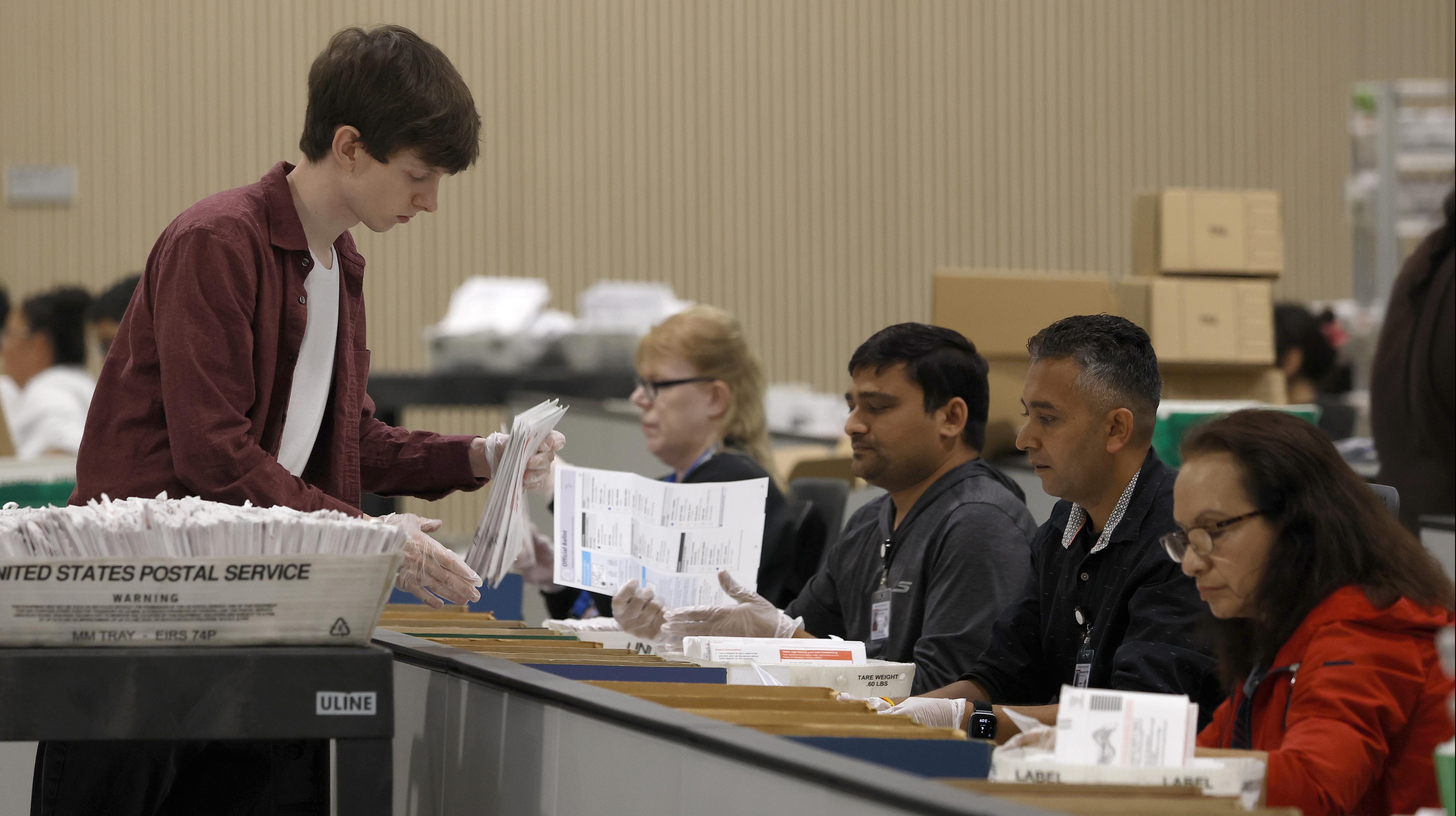
When a race meets the razor-thin margin, the Chief Election Officer for state races or the county clerk for local races must order a recount. This isn't a long, drawn-out process; Hawaii's law mandates that the recount must be completed and the results announced by the fifth business day after the election. The process itself is a machine retabulation. The same ballots are simply run through the counting machines again to verify the initial tally. While candidates and their representatives are permitted to witness the recount, the procedure isn't necessarily required to be open to the general public. The goal is a quick and accurate confirmation of the results before the election is certified.
Who Pays for It? And Can You Request One?
Because these recounts are mandated by state law when the margin is met, they are automatic and paid for by the state. There is no cost to the candidates involved. This is a key distinction from many other states where candidates might have to foot the bill for a recount they request. However, this leads to another crucial point about Hawaii's system: you can't simply request a recount if you feel the race was close but doesn't meet the automatic trigger. Hawaii law does not have a provision for candidate- or voter-initiated recounts. If the margin is not within the '100 votes or 0.5%, whichever is less' window, an automatic recount does not occur, and there is no mechanism to formally ask for one.
What If There's an Error or Fraud Allegation?
The automatic recount process is designed solely to address exceptionally close margins, not to investigate allegations of error or misconduct. For those issues, there's a separate legal path: an election contest. Any candidate, qualified political party, or a group of thirty voters can file a formal complaint with the Hawaii Supreme Court. This complaint must be filed within 20 days of a general election and must set forth specific causes, such as provable fraud or major errors, that could have changed the election's outcome. If the court finds the complaint has merit, it can take actions ranging from declaring a rightful winner to, in extreme cases, invalidating the election entirely and ordering a new one. This legal challenge is a much higher bar to clear than the simple math of an automatic recount.