





The Short Answer: Yes, With Rules
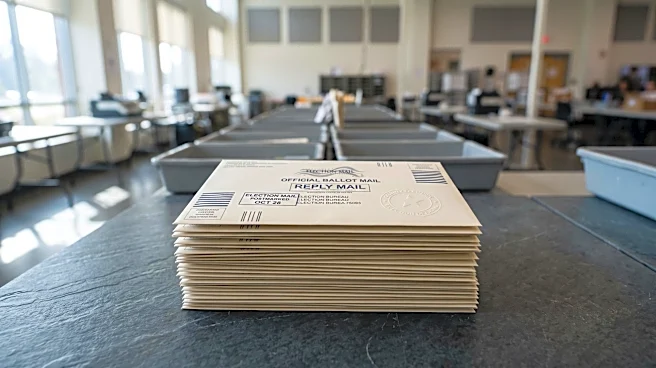
Yes, Alaska's election system is designed to count absentee and mail-in ballots that arrive at elections offices after Election Day. This isn't a new or emergency measure; it's a long-established procedure codified in state law to accommodate the state's unique challenges. However, there’s a crucial requirement: for a ballot to be valid, it must be postmarked on or before Election Day. This rule ensures that only votes cast in time are counted, even if they take longer to physically reach their destination. It’s a system built on a fundamental trade-off: prioritizing voter access while maintaining a clear and secure deadline.
The All-Important Deadlines
Understanding Alaska's process means knowing its two key deadlines. First is the postmark deadline. Any Alaskan voting
by mail must ensure their ballot is postmarked by a postal official on or before Election Day. Voters are often advised to take their ballots directly to a post office counter to ensure they receive that day's postmark, as simply dropping it in a mailbox doesn't guarantee it. Second is the receipt deadline. For general elections, Alaska accepts these properly postmarked ballots for up to 15 days after Election Day. This extended window is one of the most generous in the nation and is a direct acknowledgment of the state's logistical realities. For ballots mailed from within the U.S., the grace period is 10 days, while ballots from overseas have the full 15 days.
Why the Long Wait for Results?
The 15-day window for ballot arrival is the primary reason why final election results in Alaska are often not known for weeks. Unlike states that have most of their votes tallied on election night, Alaska's count unfolds in stages. The Division of Elections releases initial, unofficial results after polls close, but this tally only includes in-person votes and absentee ballots that have already been received and processed. In the days that follow, elections officials continue to count newly arriving mail-in ballots as well as questioned ballots (those with voter eligibility issues that need to be resolved). This methodical process means that the leader on election night might not be the ultimate winner. Close races have famously shifted as more ballots, particularly from remote and rural areas, are added to the count.
A System Built for a Unique State
Alaska's extended timeline isn't arbitrary; it’s a direct response to its geography. As the nation's largest state by area, with many communities located off the main road system and accessible only by plane or boat, reliable and fast mail service is not a given. A blizzard, volcanic ash, or other unpredictable events can easily delay mail delivery. Without this grace period, thousands of voters in rural 'Bush' communities would be effectively disenfranchised. The policy is designed to ensure that a voter in a remote village has the same opportunity to have their vote counted as a voter in Anchorage. It reflects a core principle of enfranchising every eligible citizen, regardless of their location.
Patience Is Part of the Process
For outsiders, the wait for Alaska's results can seem confusing, but for Alaskans, it's a familiar part of their democratic process. The state's adoption of ranked-choice voting has sometimes been incorrectly blamed for delays, but the extended counting period predates that change. The true cause is the state's commitment to counting every valid, postmarked ballot. While the Division of Elections provides regular updates, the final, certified results for a general election are typically finalized about three weeks after Election Day. This deliberate pace is a feature, not a bug, of an election system tailored to the realities of life in the Last Frontier.