




The First Numbers Aren't the Whole Story
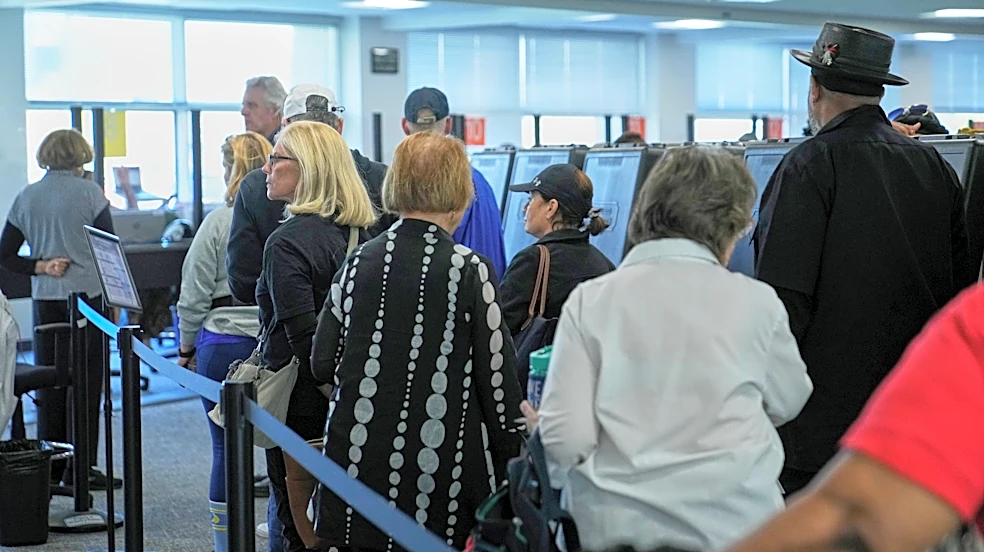
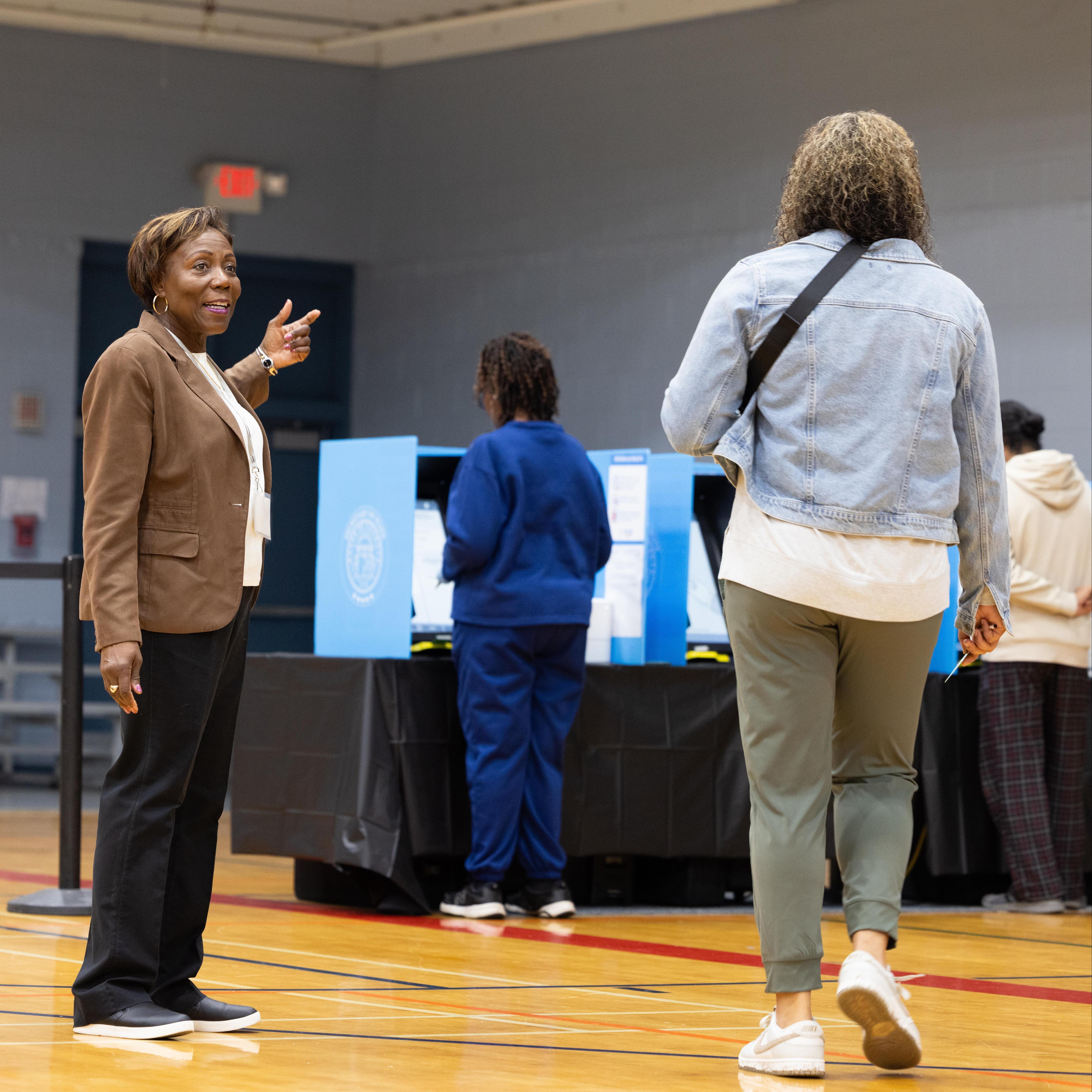
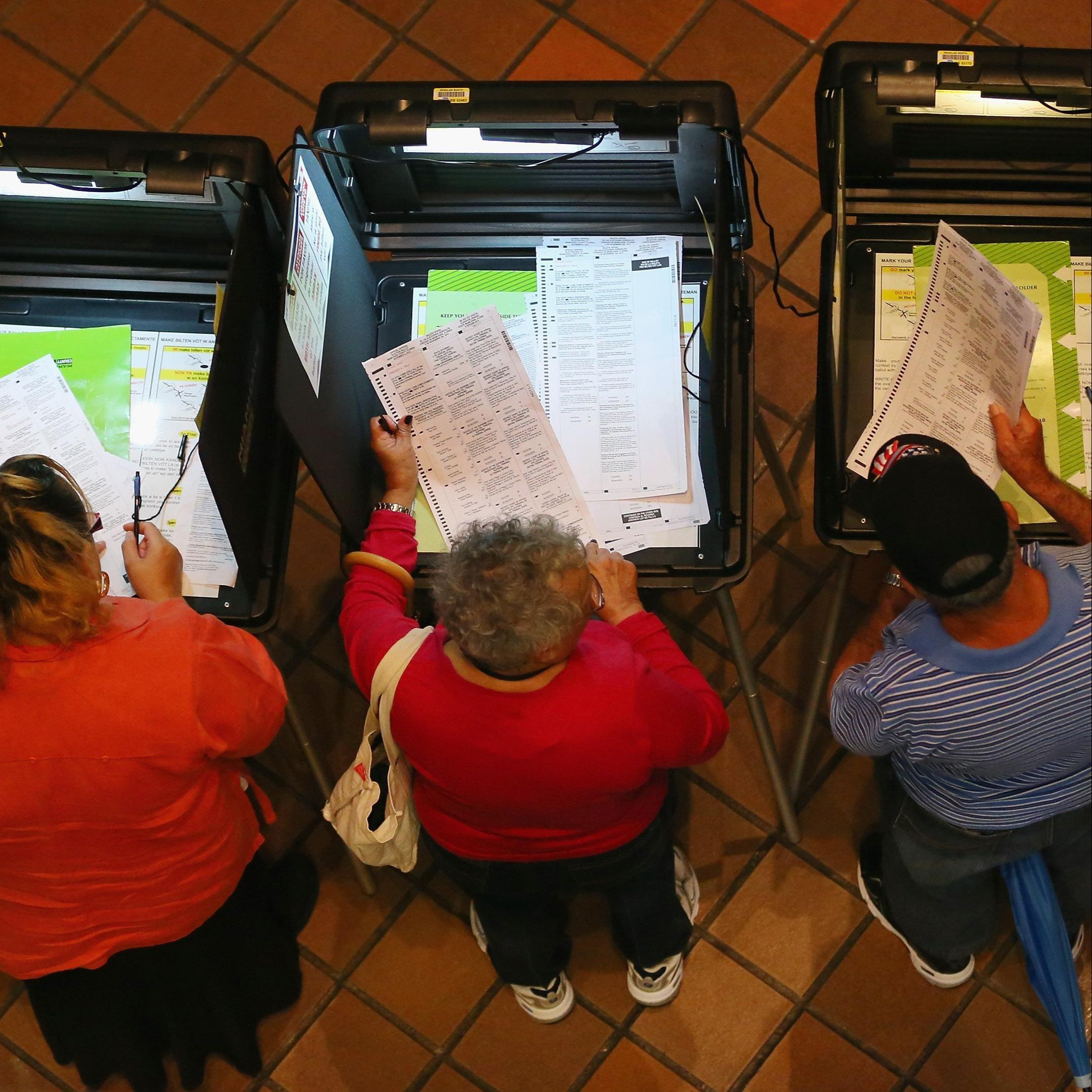
When polls close at 8 p.m. across most of Michigan, the first results you see will likely be from in-person voting on Election Day. After the last voter has cast their ballot, bipartisan teams of election workers in each precinct begin closing down the polling place. This involves printing the totals from the tabulator machine, reconciling the number of ballots with the number of voters who signed in, and securely packing all materials. These precinct-level results are then delivered to the local city or township clerk, who in turn reports them to the county clerk. This is often the quickest part of the count, but it represents just one slice of the total vote. It's crucial to remember that Michigan's elections are highly decentralized, with over
1,600 local clerks responsible for their own elections before reporting up the chain.
The Absentee and Early Vote Factor
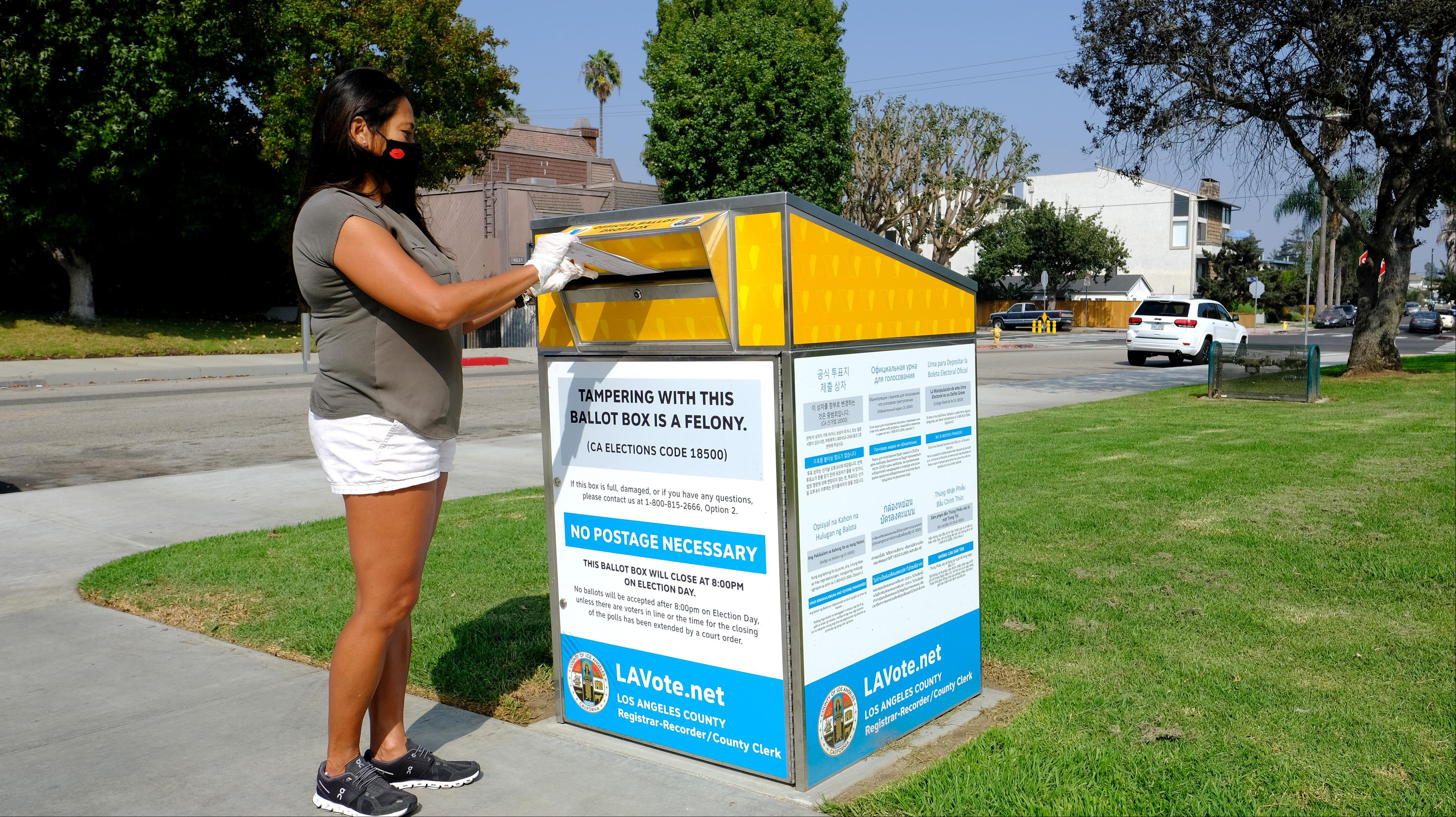
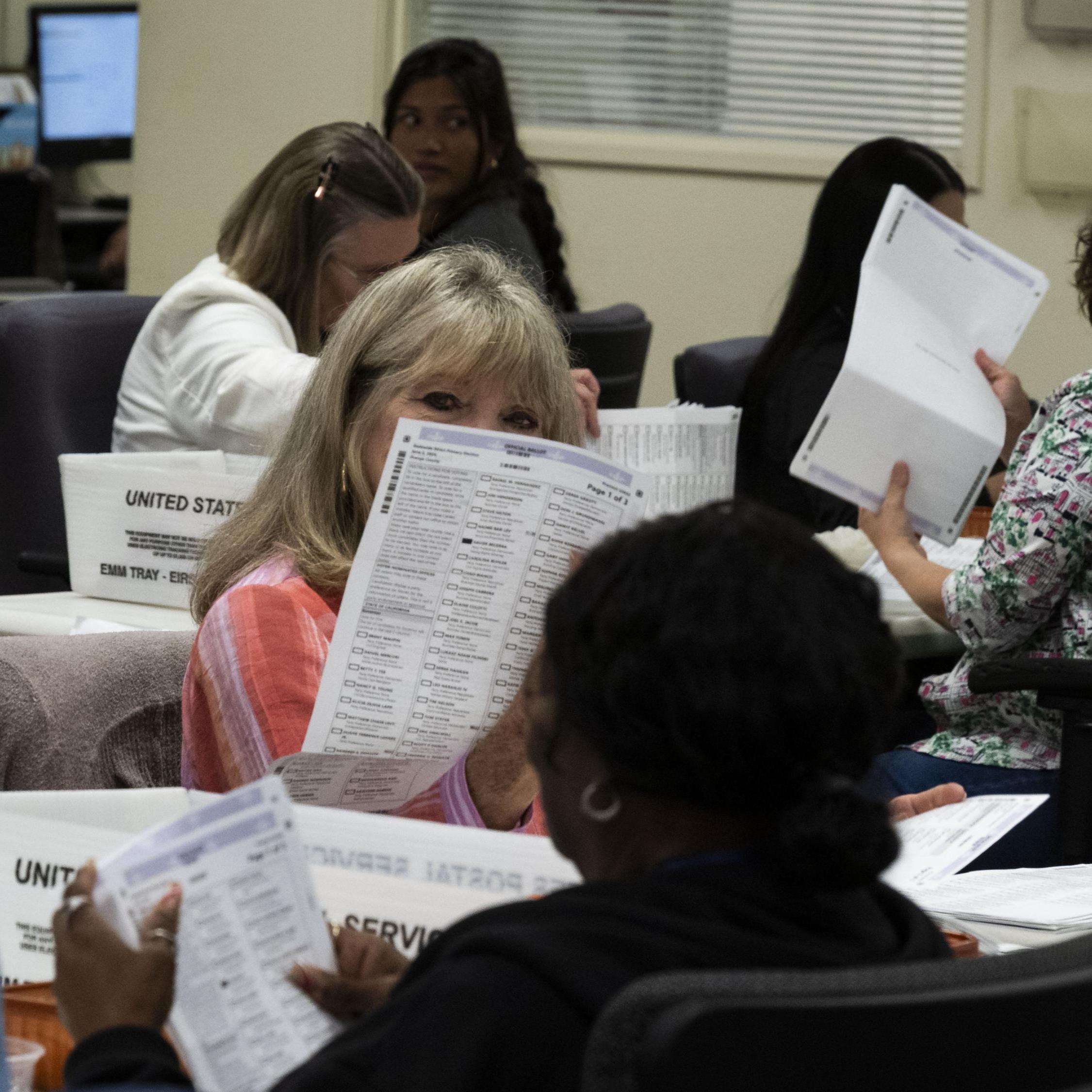
Michigan voters have embraced absentee and early voting, which fundamentally changes the flow of election night reporting. State law allows clerks to get a head start by 'pre-processing' absentee ballots before Election Day. In many jurisdictions, this can begin up to eight days prior to the election. This process includes verifying signatures, opening envelopes, and preparing ballots to be scanned. However, no results from these ballots can be released until after 8 p.m. on Election Day. When the polls close, clerks can begin uploading these large batches of previously processed votes. This can lead to significant, sudden shifts in the totals for statewide and federal races, which is a normal part of the process, not a sign of an error.
Where to Find the Data
The most reliable sources for unofficial results are the official government websites. Michigan's Secretary of State maintains a statewide election results website that aggregates data from all 83 counties. Many county clerks also publish unofficial results on their own websites, which can sometimes be updated more quickly than the state's portal. News organizations pull their data from these official feeds to power their own election maps and reporting. While media outlets are often the fastest way to see results visualized, the raw numbers originate with the county and state election officials who are tabulating the votes.
The Rhythm of the Night: Batch Updates
Results are not released in a steady stream but in batches. There is no set schedule for updates. A county will report new totals whenever it finishes tabulating a batch of ballots, whether that's from a single precinct or a large number of absentee votes. This can mean long periods of quiet followed by a massive data drop that changes the percentages. Furthermore, a small wrinkle in geography plays a role: four counties in the Upper Peninsula are in the Central Time Zone, so their polls don't close until 9 p.m. Eastern Time. No statewide race can be definitively called until the voters in those counties have had their say. Patience is key; a slow count is a feature of a system designed for accuracy, not a bug.
It's Not Official Until It's Certified
Everything published on election night is an unofficial result. The official outcome is only determined after a meticulous, bipartisan process called the canvass. In the days following the election, bipartisan boards of county canvassers meet to review all materials, check totals for accuracy, and resolve any discrepancies. They have up to 14 days to complete this work and certify their county's results. Afterward, the Board of State Canvassers meets to do the same for statewide and federal offices, and they must certify the final, official results within 20 days of the election. This deliberate process ensures that every valid vote is counted accurately before any winner is officially declared.