




It All Starts at the County Level
The journey from vote to certified result begins in each of Florida’s 67 counties. The key players at this stage are the County Canvassing Boards. These aren't mysterious, shadowy groups; they are defined by state law and their meetings are public. Each board consists of three local officials: the county's Supervisor of Elections, a county court judge who serves as the chairperson, and the chair of the board of county commissioners. If a member is a candidate in the election or actively involved in a campaign, a substitute is appointed to avoid conflicts of interest. Their first job is a crucial one: to 'canvass' the vote. This involves verifying the vote counts from every precinct, reviewing mail-in ballots for valid signatures, and examining
any damaged or poorly marked ballots to determine voter intent. They also rule on provisional ballots, which are used when a voter's eligibility is in question.
The First Deadlines and Unofficial Results
Following Election Day, a series of deadlines kicks in. The first set of numbers released on election night are always unofficial. The real work of the canvassing boards happens in the days that follow. They methodically work through mail-in and provisional ballots, ensuring everything is properly accounted for. Following a general election, these boards must file their first complete set of unofficial results with the Florida Department of State. If a race is exceptionally close, this is when automatic recounts are triggered. Florida law mandates a machine recount if the margin of victory is 0.5% or less. If it's still razor-thin after that—at 0.25% or less—an even more detailed manual recount of overvotes and undervotes is ordered. This is not a sign of problems, but rather the system working as designed to guarantee accuracy in tight contests.
The Counties Make It Official
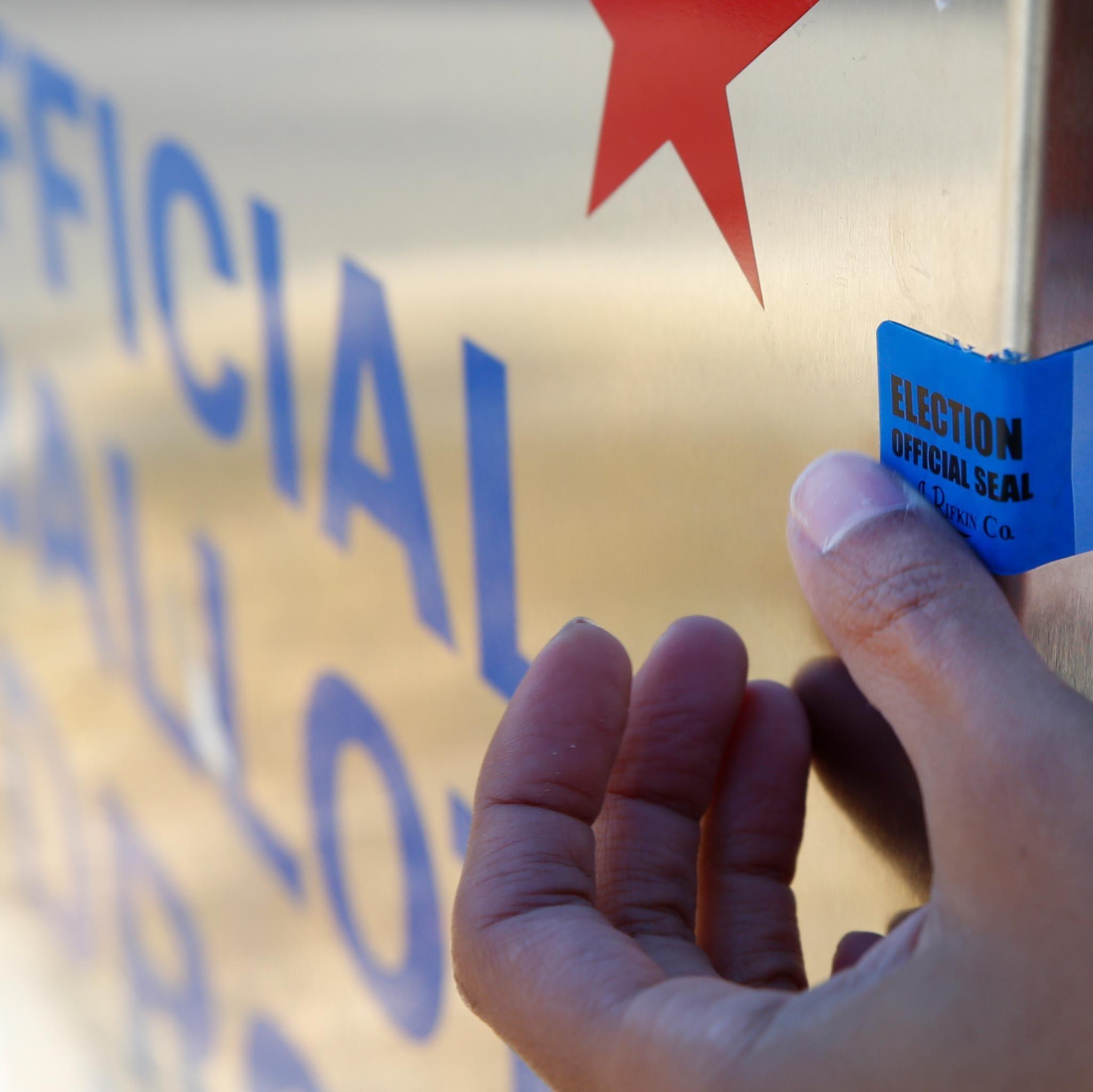
After any recounts are completed and all valid ballots have been counted, the County Canvassing Board performs its final county-level duty: certifying the official results for their jurisdiction. They compare the number of voters who cast ballots with the number of ballots counted to ensure everything matches up. These certified official returns are then transmitted to the Department of State in Tallahassee. For a general election, there is a hard deadline for this step: the counties must file their returns by noon on the 13th day after the election. If a county misses this deadline without a valid reason, the state is required to certify the results it already has on file.
The Final Sign-Off in Tallahassee
The last step takes place at the state capital. The responsibility for final certification of federal, state, and multi-county races falls to the state's Elections Canvassing Commission. Much like its county counterparts, this is a bipartisan body with specific members: the Governor and two members of the Cabinet whom the Governor selects. This commission meets at 9 a.m. on the 14th day after the general election. Their job is to review the certified returns submitted by all 67 counties and formally certify the final, official results for the entire state. This meeting is the formal end of the election process, where the winners are officially declared. This statewide certification provides the definitive outcome that stands as the legal result of the election.