

The Short Answer: Yes, With Strict Rules
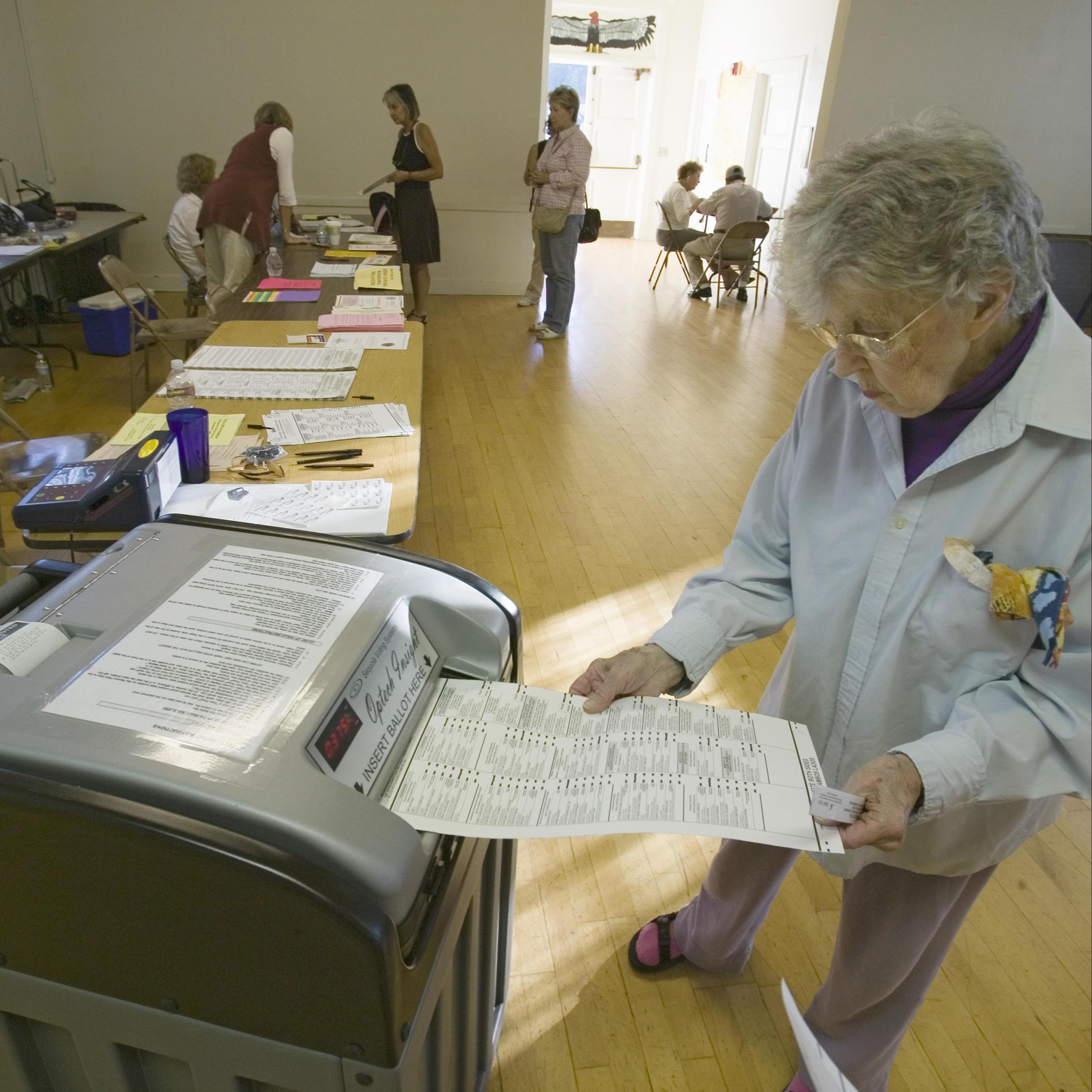
Alabama law absolutely allows for the observation of vote counting to ensure transparency. These observers, legally referred to as 'poll watchers', are granted access to witness the entire election process, from the opening of the polls to the final tally of ballots, including absentee ballots. The system is designed to provide oversight and build confidence in the results. However, the state imposes clear regulations on who can become a watcher and what they are allowed to do, preventing a free-for-all at the polling place. The overarching goal is to balance transparency with the need for an orderly, unintimidating, and efficient election process.
Who Is Allowed to Be a Poll Watcher?
You can't simply decide to be a poll watcher on Election Day. In Alabama, it's an official designation.
For general elections, each political party with candidates on the ballot can appoint one watcher per voting location. This appointment must be made in writing by the party's county executive committee chair or by the candidates themselves and submitted to the election inspector at the polling place. In primary elections, each candidate is entitled to appoint one watcher. Critically, every poll watcher must be a resident and a qualified elector of Alabama. You cannot be a poll watcher if you are also serving as an election official. This system ensures that observers are officially sanctioned representatives of a campaign or party, not just random members of the public.
What Observers Can Actually Do
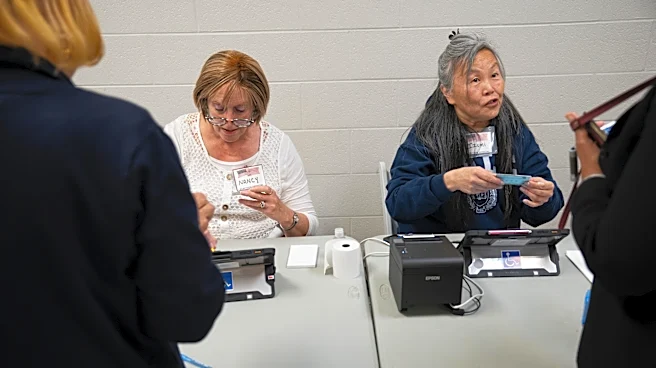
The rights of a poll watcher in Alabama are clearly defined. Their primary role is to observe. They are permitted to be present from the moment the polls open until the results are certified and the voting machines are sealed. This includes watching the preliminary setup, observing voting during the day, and, most importantly, viewing the ballots as they are counted. Watchers can also observe the counting of absentee ballots and have the right to see official election records like the list of qualified voters, poll lists, and oaths signed by officials. Before they begin, each watcher must take an oath to faithfully follow election law. Their presence is a mechanism for parties and candidates to verify that procedures are followed correctly.
The 'Do Not Cross' Line: Restrictions on Watchers
While watchers have the right to observe, their power to intervene is almost nonexistent. Alabama law is explicit about what they cannot do. A poll watcher must not disturb or attempt to influence voters in any way. They are forbidden from campaigning inside the polling place, which includes wearing any campaign buttons, shirts, or other materials. Their job is to watch and report irregularities to election officials or their campaign, not to directly challenge voters or handle ballots. An election inspector is the only person who can challenge a voter's eligibility directly at the polls. These restrictions are crucial for preventing voter intimidation and ensuring that the election process remains under the control of trained, non-partisan election officials.
Why These Rules Strike a Deliberate Balance
Alabama's framework for poll watchers aims to solve two problems at once: the need for public trust and the need for a secure, orderly election. By allowing designated representatives to observe the entire process, the state creates a channel for transparency. Campaigns and parties can have their own eyes and ears on the ground, which can help preemptively address rumors or disputes about the process. At the same time, the strict limitations on who can be a watcher and what they can do are designed to protect the integrity of the vote. The rules prevent crowds of un-vetted individuals from descending on polling places, which could lead to chaos, voter intimidation, or disruption of the count. The penalty for an official who improperly denies a watcher their rights is a Class C Misdemeanor, showing the state takes the role seriously.