



The Half-Percent Rule
The single most important factor for an automatic recount in Alabama is the margin of victory. State law mandates a recount when a candidate for any public office or a statewide ballot measure is defeated by a margin of one-half of one percent (0.5%) or less of the total votes cast for that specific race or measure. This isn't a guideline; it's a specific legal trigger. If the final, certified vote count shows a difference within this ultratight window, the process kicks in without anyone needing to request it. However, this automatic provision applies only to general elections, not primaries, based on a 2010 opinion from the state's attorney general. The apparent losing candidate also has the option to waive their right to an automatic recount in writing.
The Process After the Trigger
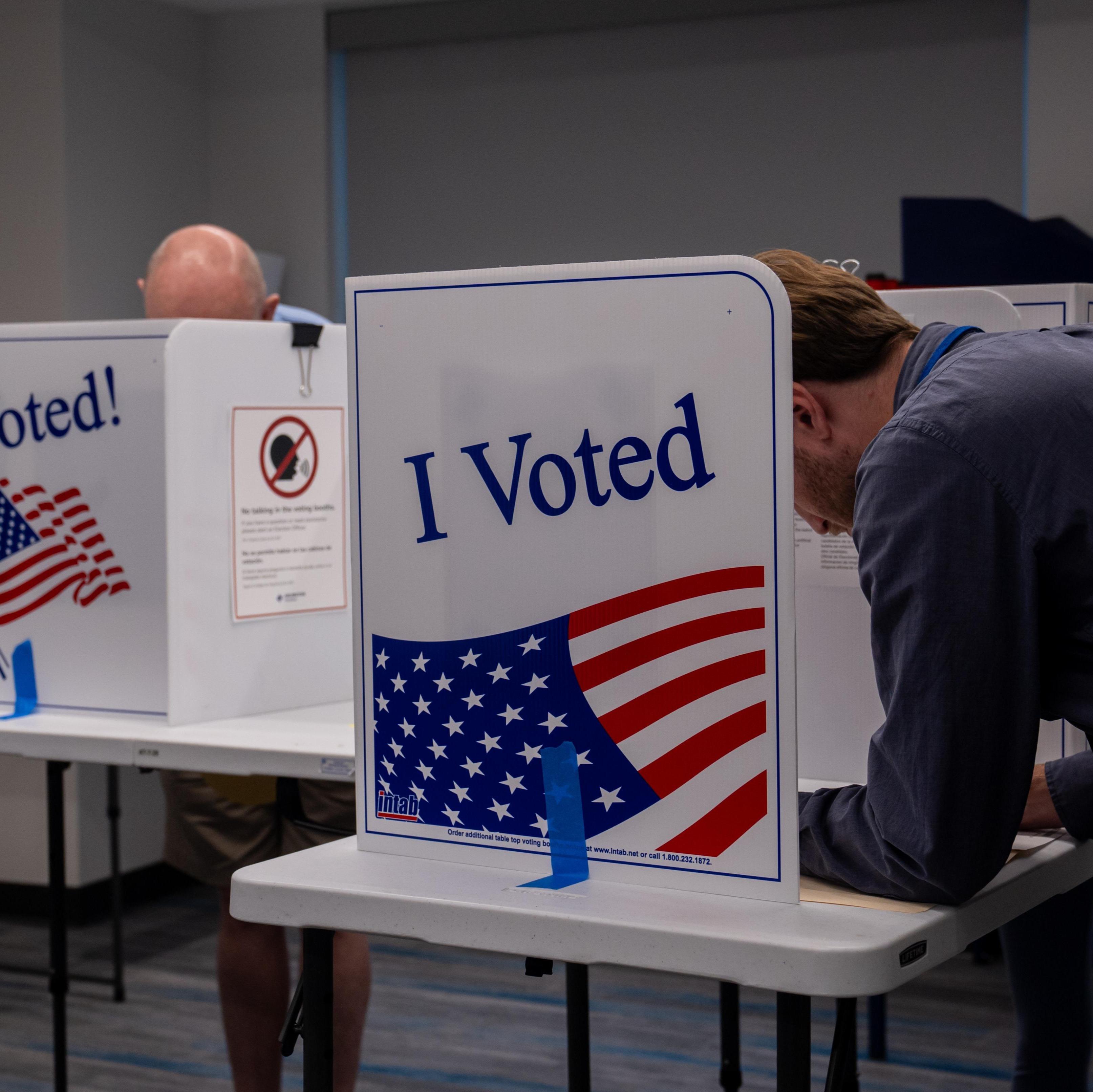
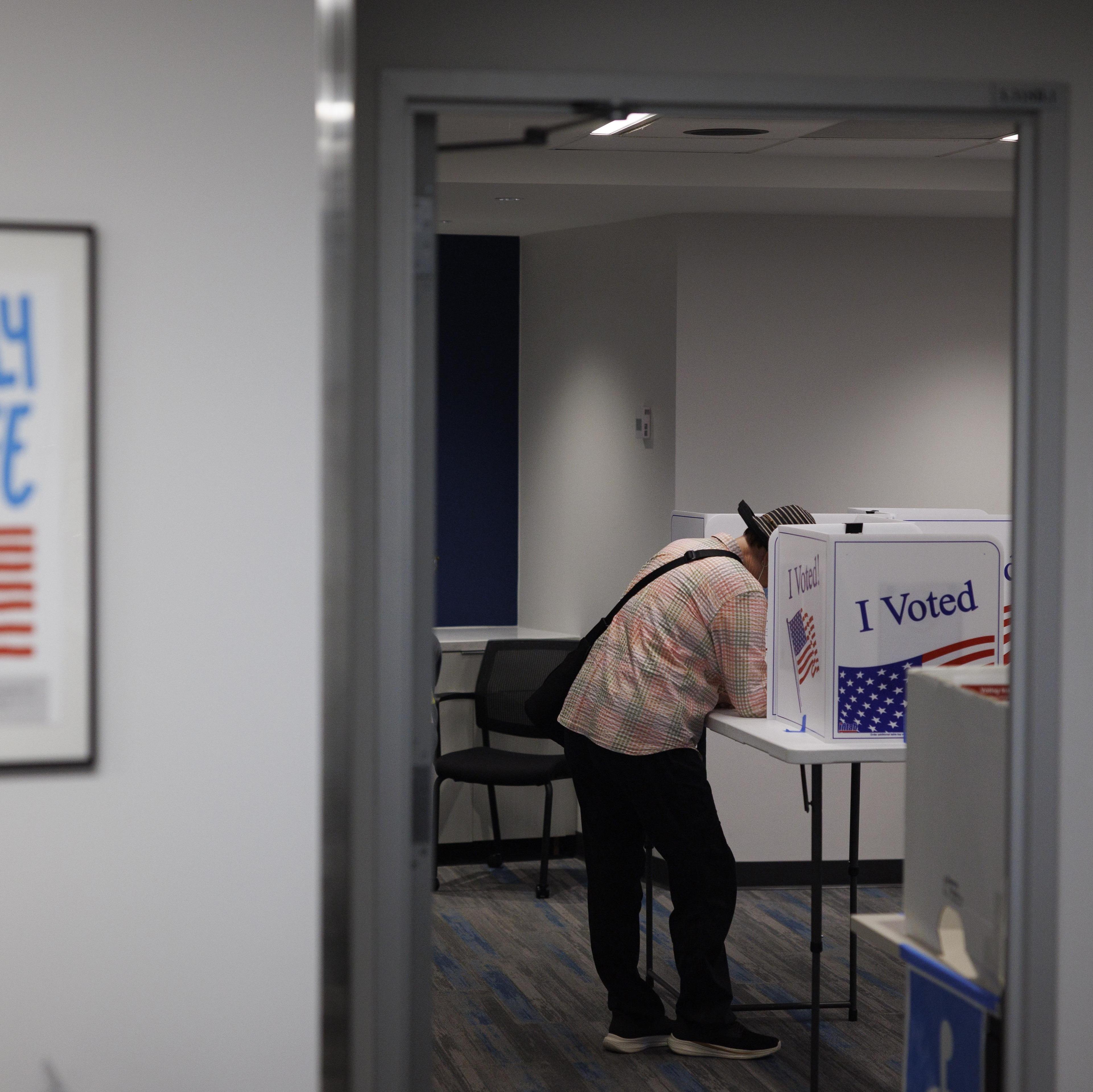
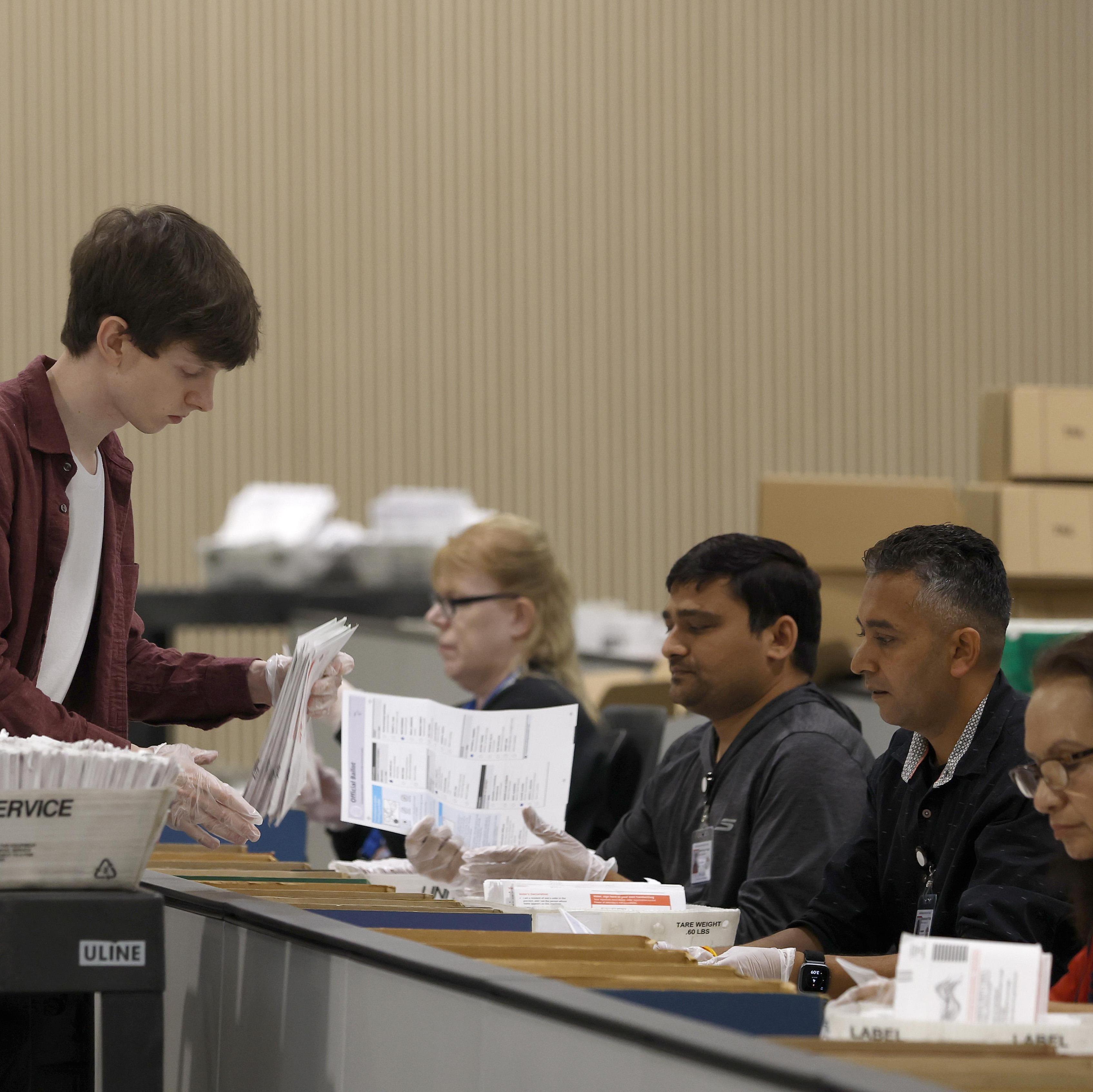
Once the official results are certified and the 0.5% margin is confirmed, the clock starts ticking. An automatic recount must begin within 72 hours of that certification. The process itself is straightforward. Alabama uses paper ballots that are read by optical scanning machines. For the recount, these same ballots are simply fed back through the machines for a retabulation. However, there's an important exception: any ballot that the machine rejected during the initial count, or rejects during the recount, must be set aside and counted by hand. Representatives from the opposing campaigns are given notice and are allowed to be present to observe the entire process, ensuring transparency.
Who Pays for It?
This is a critical distinction between automatic and requested recounts. For an automatic recount triggered by the 0.5% rule, the costs are borne by the public. The state or county covers the expenses for the polling officials and other administrative needs associated with the new tally. This differs significantly from a candidate-initiated recount, which can be requested even if the margin is wider than 0.5%. In those cases, the person or campaign requesting the recount must put up a bond to cover the estimated costs. That money is only refunded if the recount actually changes the outcome of the election. For an automatic recount, however, the cost is never the candidate's burden.
What Happens if the Result Flips?
If an automatic recount changes the outcome, the appropriate canvassing board amends the initial election certification to reflect the new result. But if the recount changes the winner from the person who was initially certified, it doesn't just end there. That reversal automatically constitutes grounds for a formal election contest in court, which is a separate legal proceeding from the recount itself. This ensures there's a clear, established legal path to resolve the election definitively. The entire system is designed to build confidence by providing a transparent, state-funded mechanism to double-check the results when they are exceptionally close, reinforcing the fundamental principle that every single vote matters.