





First, Know Your Election
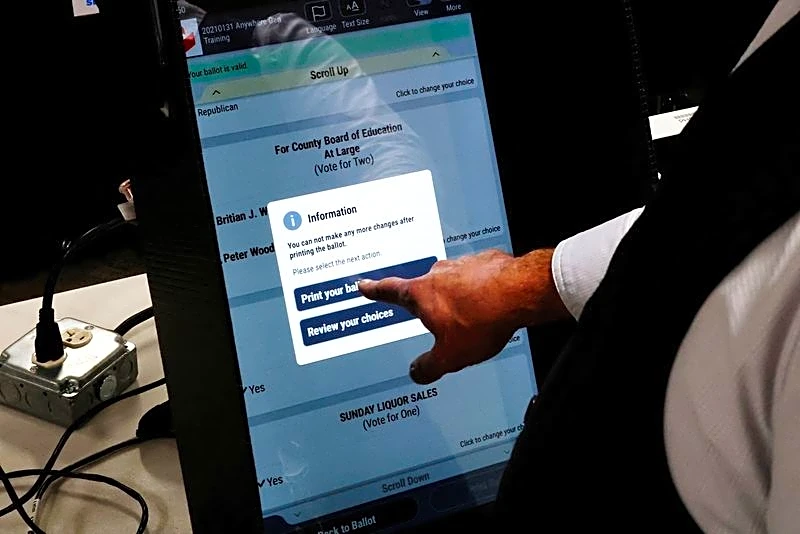
Before diving into results, it’s crucial to distinguish between two very different events: the state-run general elections and the party-run caucuses. General elections (for president, Congress, governor, etc.) are administered by the state and its 99 counties. The process is uniform and methodical. The caucuses, however, are essentially private events organized by the political parties to pick their presidential nominees. The infamous reporting delays of the 2020 Democratic caucuses stemmed from a faulty app and process managed by the party, not the state. For statewide and federal elections, the process is far more standardized.
The Flow of Data on Election Night
On the night of a primary or general election, results are not released in one single data dump. Instead, they flow
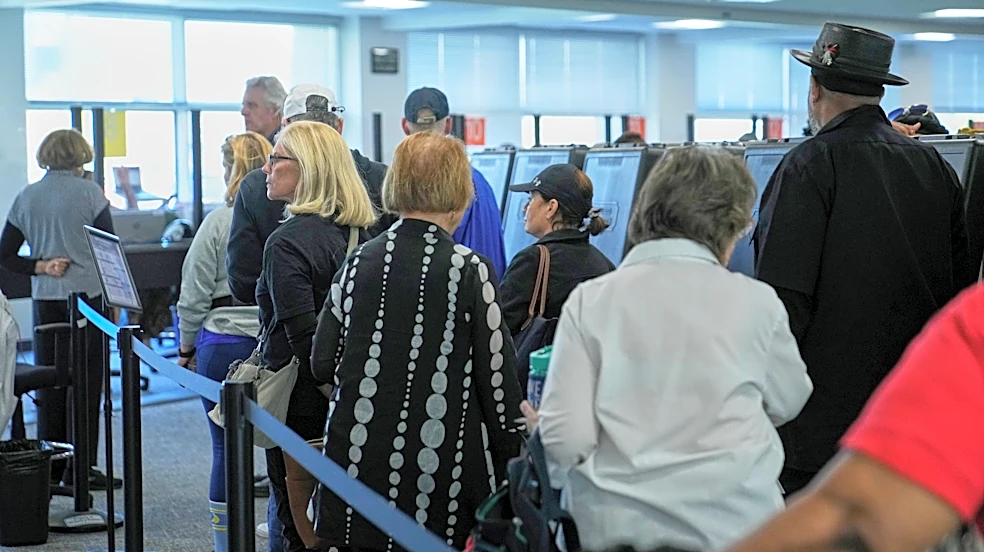
from the ground up. Polls in Iowa close at 8 p.m. local time. At each of the state's 1,600+ precincts, bipartisan officials close down the polling place, tally the votes recorded on paper ballots using tabulation machines, and report the totals to their county's auditor, who serves as the county election commissioner. These county-level results are then sent to the Iowa Secretary of State, who publishes them on the official state results website. This creates a rolling tally that is updated throughout the evening.
What You're Actually Seeing on Screen
The numbers you see on TV or online are 'unofficial results'. The key data points are the raw vote totals for each candidate and, crucially, the 'percentage of precincts reporting'. This second number can be misleading. It doesn't represent the percentage of total votes counted, but rather how many precincts have submitted their tallies. A large precinct in Des Moines might have thousands of votes, while a rural one might have a few hundred. So, 95% of precincts reporting doesn't mean 95% of all ballots have been counted. Early-releasing absentee ballots can also initially skew results, as they often favor one party over another.
So, How Often Are Results Updated?
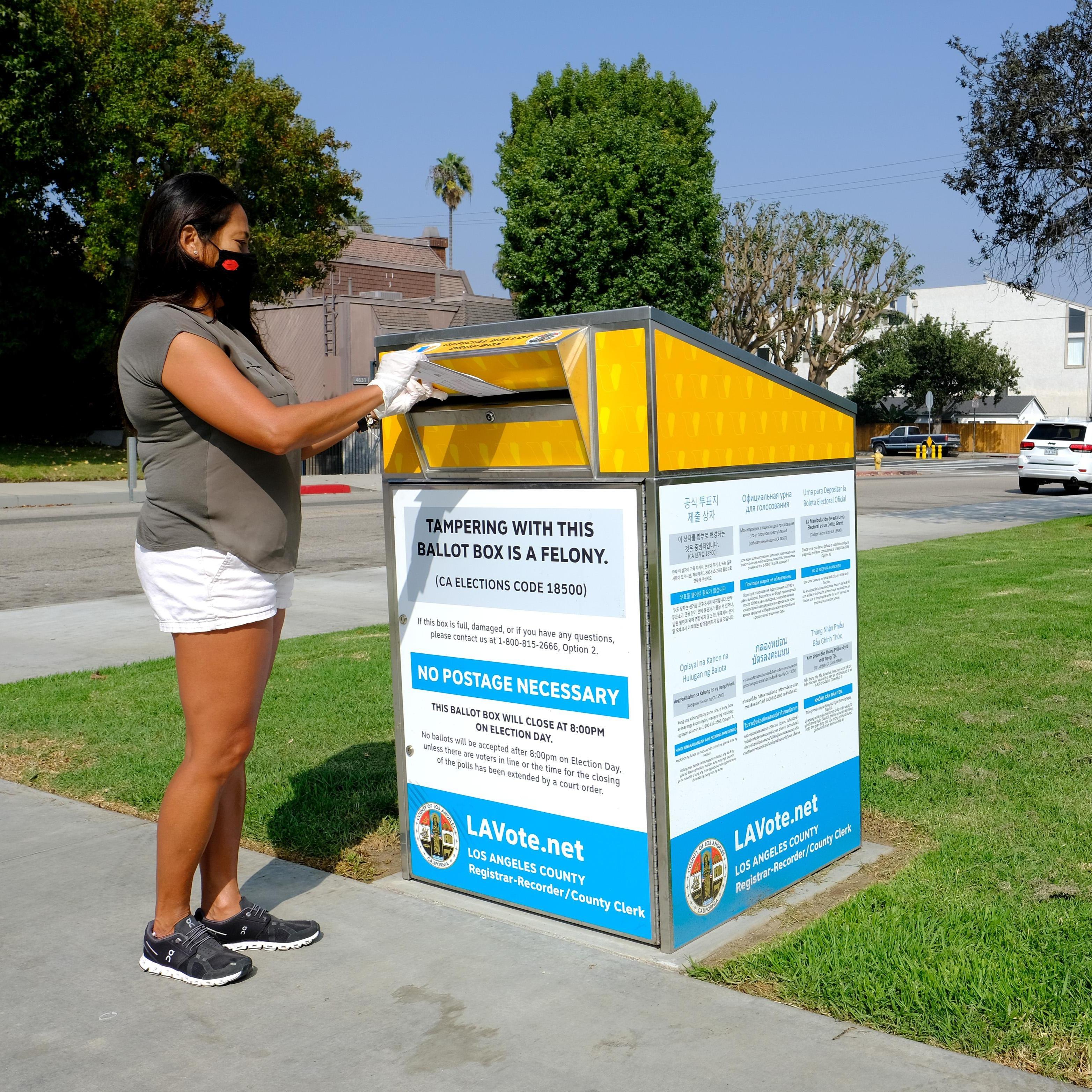
Frequently at first, and then more slowly. After polls close, the first wave of results—often from absentee ballots counted centrally—is typically released quickly. This is followed by a steady stream of precinct-level results as county auditors receive and upload them. In the 2022 primary, for instance, the first results appeared just 12 minutes after polls closed. Major news outlets and the Secretary of State's website may update every few minutes during this peak period. As the night wears on and only the most remote or problem-plagued precincts are left, the updates become less frequent. The vast majority of the vote is usually counted within three to four hours.
From Unofficial to Official
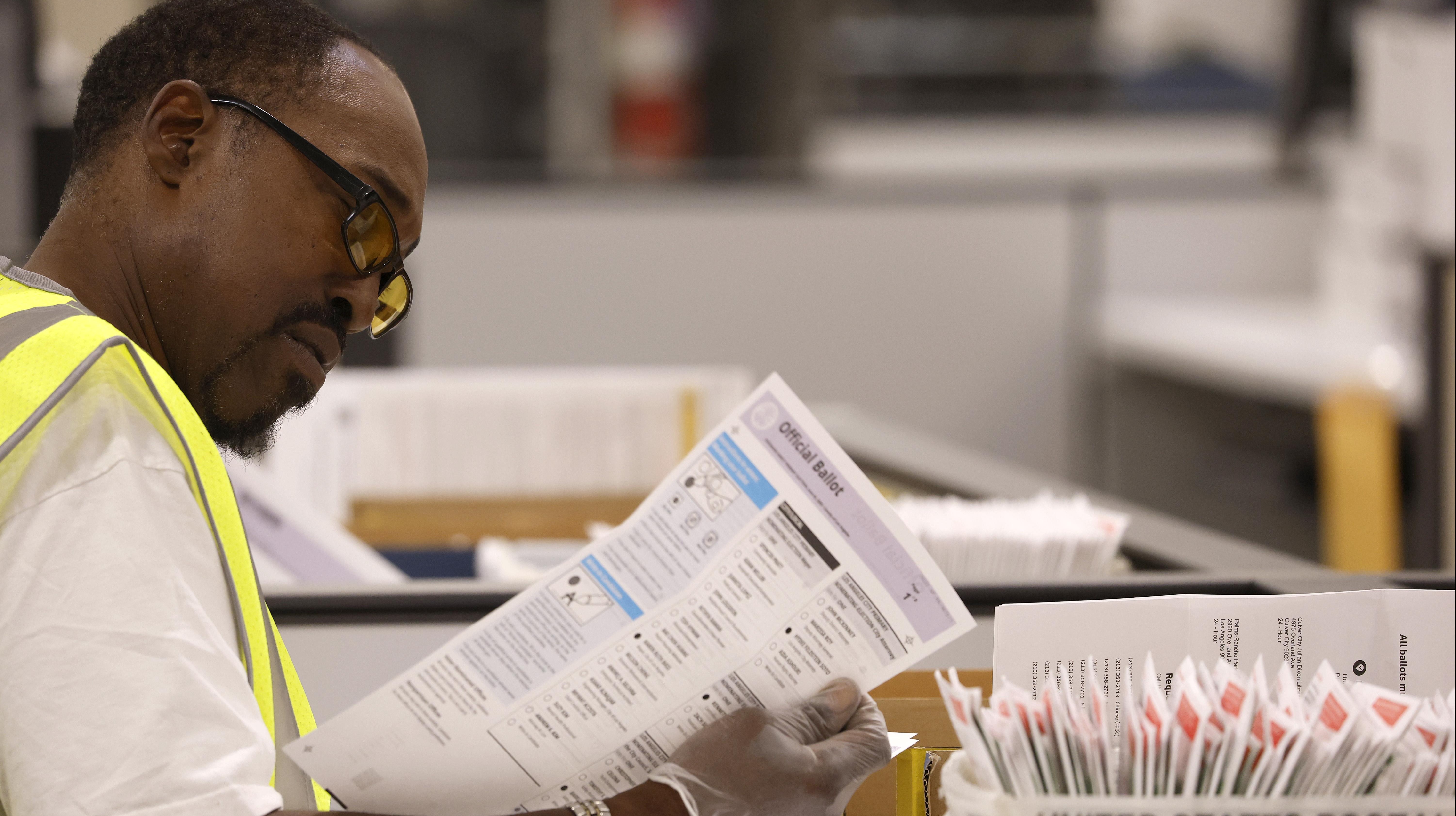
The numbers released on election night are never the final, certified results. In the days and weeks following the election, each county's Board of Supervisors convenes to officially canvass the vote, a process that includes verifying all totals and counting any eligible provisional ballots. The state also conducts post-election audits, where a randomly selected precinct in every county is hand-counted to ensure it matches the machine tabulation. Only after this bipartisan canvass is complete are the results certified as official by the state. This methodical process is designed to guarantee accuracy, ensuring that while the initial election night count is fast, the final, official count is correct.