



When Is a Recount Automatic?
Here’s the short answer: it’s not. Unlike some states that have laws to automatically trigger a recount if the margin is exceptionally close, Missouri does not have an automatic recount provision. This means that no matter how narrow the gap is on election night—even if it's a single vote—a recount doesn't happen on its own. The process must be initiated by someone involved in the election, which ensures that recounts are reserved for races where a candidate or campaign feels it is truly necessary.
So, Who Can Request One?
If a recount isn't automatic, someone has to ask for it. Missouri law allows a defeated candidate or a representative for a ballot question to request a recount, but only if the margin is tight. The specific threshold depends on where the candidate or issue
originally filed. For statewide offices (like Governor or U.S. Senator) or statewide ballot measures that file with the Secretary of State, the losing side can request a recount if the margin of defeat is less than one-half of one percent (0.5%). For local and district offices (like state representative or county commissioner) that file with a local election authority, the threshold is a bit wider, allowing a request if the margin is less than one percent. A request for a statewide race must be filed with the Secretary of State no later than seven days after the election is officially certified.
Who Pays for the Second Count?
This is often the most critical question. The answer depends on the situation. If a candidate requests a recount under the close-margin rules (less than 0.5% for statewide or 1% for local), the state or county typically covers the cost. However, if a candidate wants to contest an election and a court orders a recount as part of that legal challenge, the court can require the person bringing the contest to post a bond to cover the expenses. If the recount does not change the outcome of the election, the unsuccessful party may be ordered to pay the costs. This system is designed to prevent frivolous recount requests while ensuring that legitimate challenges in incredibly close races are not prohibited by cost.
What Does a Recount Actually Look Like?
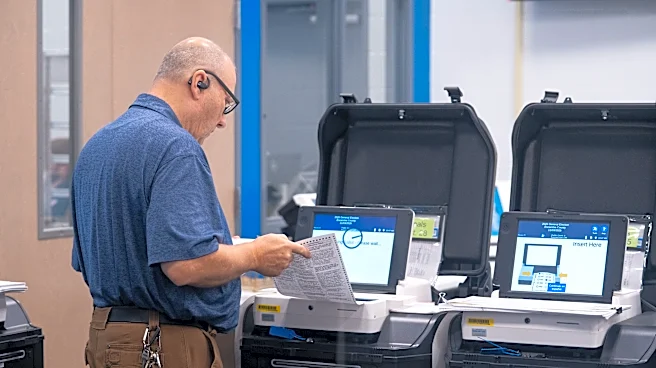
A recount isn't a chaotic free-for-all. It's a methodical process overseen by election authorities, and often a court, to ensure accuracy. The exact method can vary depending on the type of ballots used. For races with paper ballots, it could involve a hand count of the votes. If votes were cast on electronic voting machines, officials will typically check the machine's internal counters. For elections using optical-scan ballots (where you fill in a bubble), the process may involve re-scanning the ballots with the tabulating equipment. The court or legislative body overseeing the recount has the discretion to order a hand count even if machines were used. To ensure fairness, representatives from the involved parties, called 'disinterested persons', are allowed to observe the process, but only official election judges and staff are permitted to handle the ballots. The entire procedure is supervised by the Secretary of State or a court to maintain integrity.
What if Officials Suspect an Error?
Candidates aren't the only ones who can initiate this process. If a local election authority has reason to believe that significant errors occurred during an election—whether due to human mistake or equipment malfunction—they can petition a circuit court for a recount. This serves as an important safeguard, allowing officials to correct potential issues they identify themselves. The court can grant the recount if the evidence shows the irregularities were serious enough to cast doubt on the election's outcome. This ensures that the responsibility for election integrity doesn't just fall on candidates, but is a core function of the officials who run the election.