


First, What Is a Canvass?
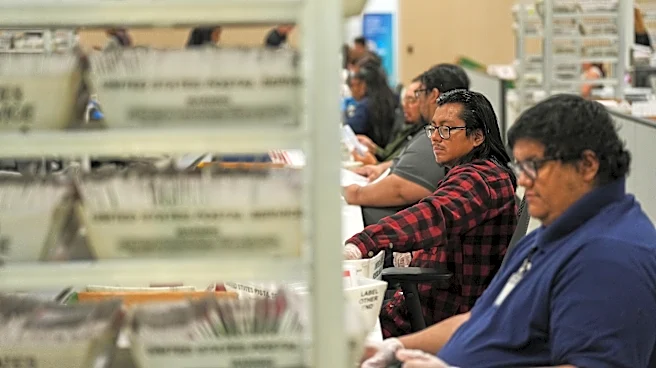
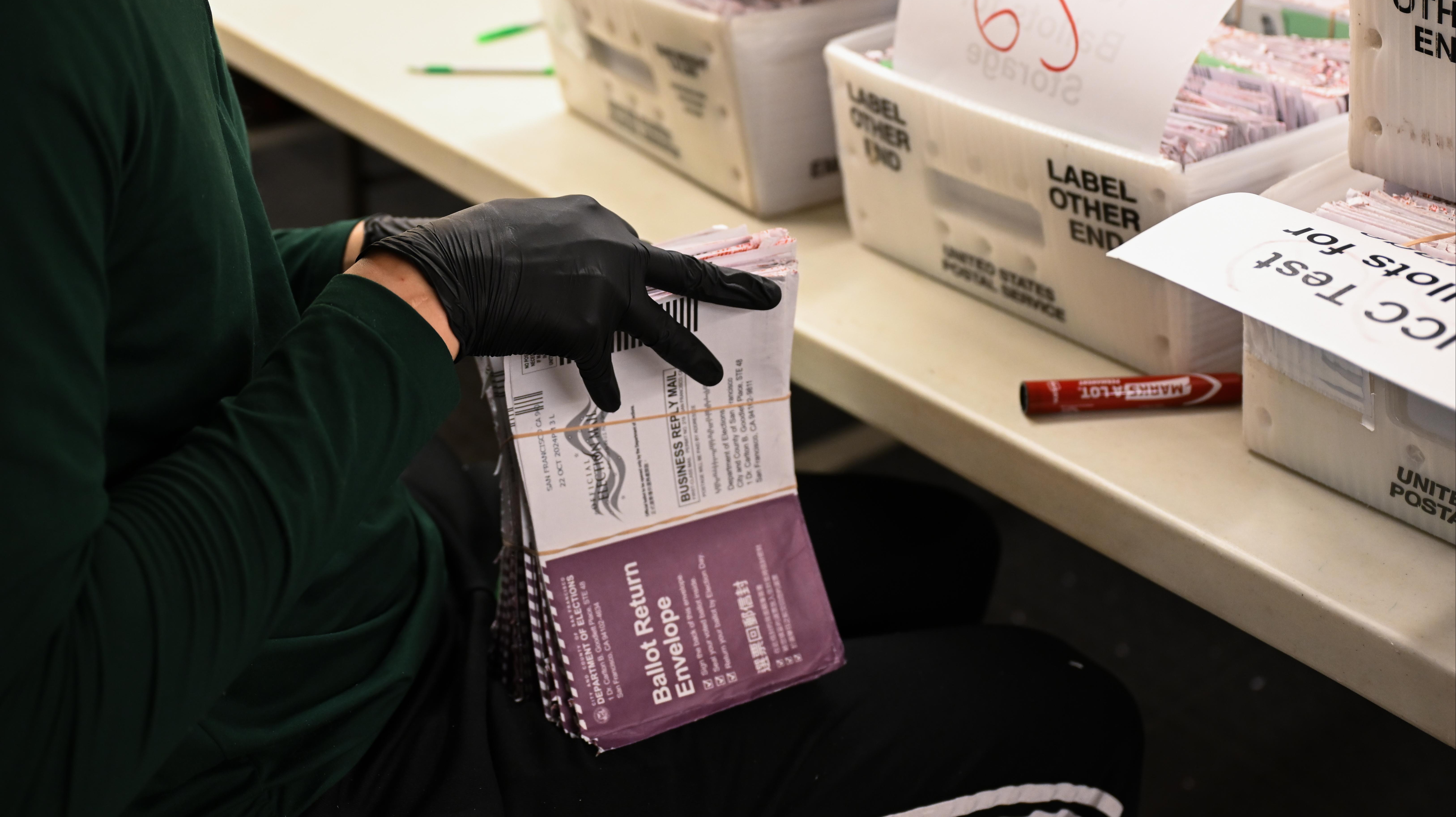
Before we get into timelines, let's clarify what 'canvassing' actually means in this context. It's not just about tallying votes. The canvass is the official, legally mandated process where election officials verify that every valid ballot has been counted accurately. This involves a series of checks and balances, such as reconciling the number of voters who signed in at polling places with the number of ballots cast, reviewing provisional ballots, and ensuring that mail-in ballots are properly signed and accounted for. This meticulous review ensures the integrity of the final count. It’s a process designed for accuracy, not speed, and it's a fundamental part of a secure election.
The County-Level Deadline
The process begins at the local level. After Election Day, Nevada's
17 counties are responsible for the initial canvass. According to Nevada state law, each county's board of commissioners must meet to canvass the returns as soon as all the precinct results are in. This entire county-level process must be completed on or before the 10th day following the election. During this period, county officials handle the detailed work of validating ballots. Once their canvass is complete, the county clerk certifies an 'abstract'—an official summary of the results—and sends it to the Nevada Secretary of State.
The Secretary of State Compiles
Once all 17 counties have transmitted their certified results, the Secretary of State's office takes over for statewide and multi-county races. Their job is to compile the abstracts from every county into a single, comprehensive report for these larger contests. This step ensures that all votes from across Nevada are accounted for before the final, statewide certification. This isn't just an administrative task; it's a critical consolidation of data from diverse counties, from urban Clark County to the rural corners of the state. The Secretary of State then prepares this statewide compilation for the final step in the process.
The Supreme Court's Final Canvass
The final, decisive moment in Nevada's election certification process involves the state's highest court. By law, the justices of the Nevada Supreme Court, or a majority of them, must meet with the Secretary of State on the fourth Tuesday of November following a general election. At this meeting, they perform the final statewide canvass of votes for federal and state offices. It is only after the justices complete this review and officially accept the results that the election is considered certified at the state level. Following this, the Governor issues certificates of election to the winning candidates, formalizing their victory.
What About Recounts?
The established timeline can be affected by recounts. Under Nevada law, a losing candidate has a short window—typically within three days after the canvass is completed—to request a recount. If a recount is initiated, it must begin within five days of the request and be completed within another five days. While recounts are not common, they are a built-in part of the electoral process designed to provide an extra layer of verification if a race is exceptionally close. Any recount would delay the finality of the results for that specific race but operates within its own legally defined timeline, running parallel to the broader certification process for other contests.