


The First Count: Town and City Clerks
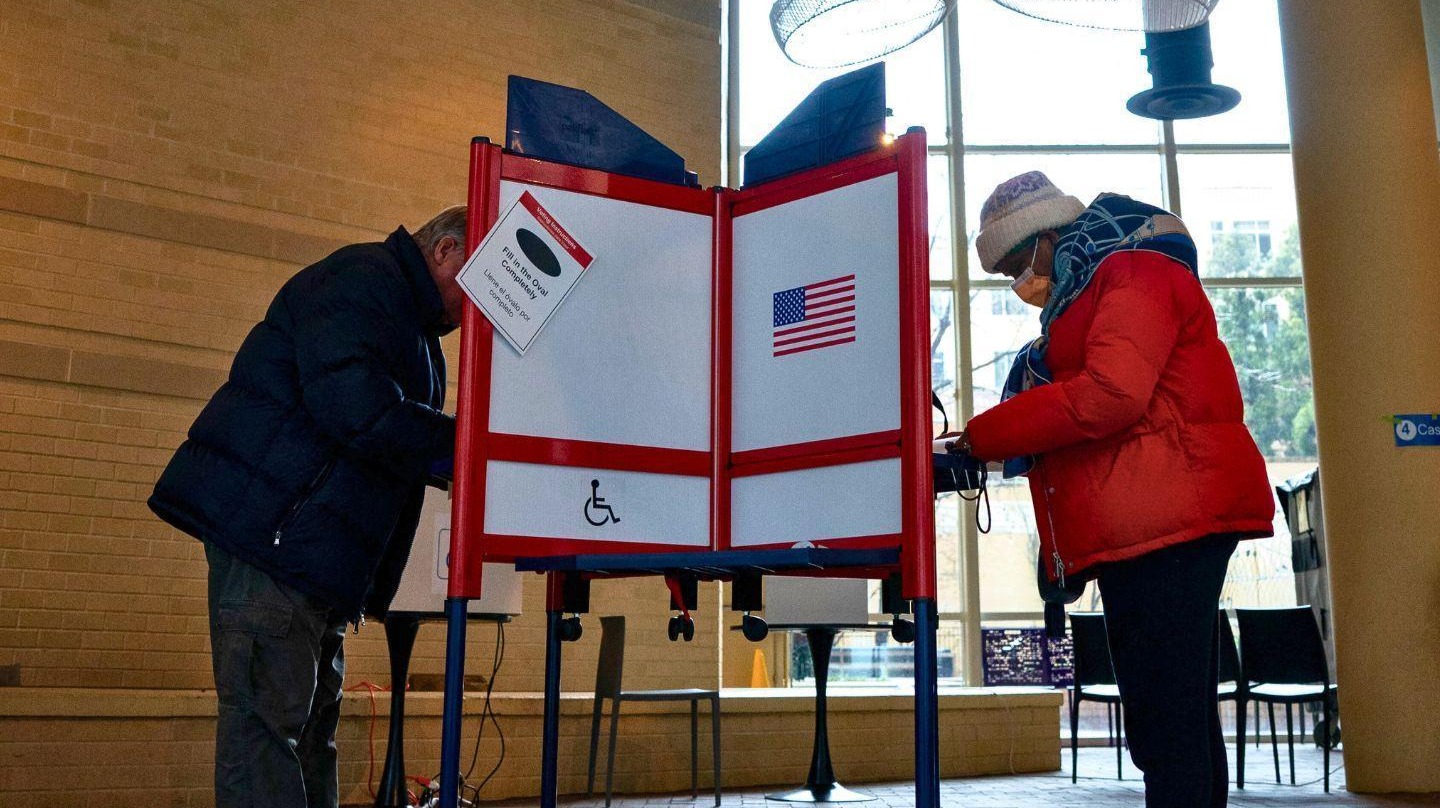
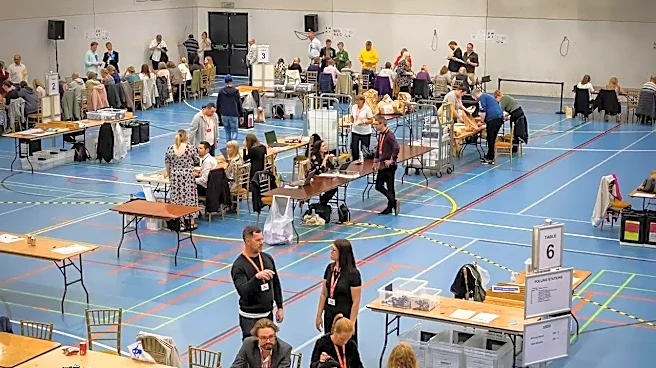
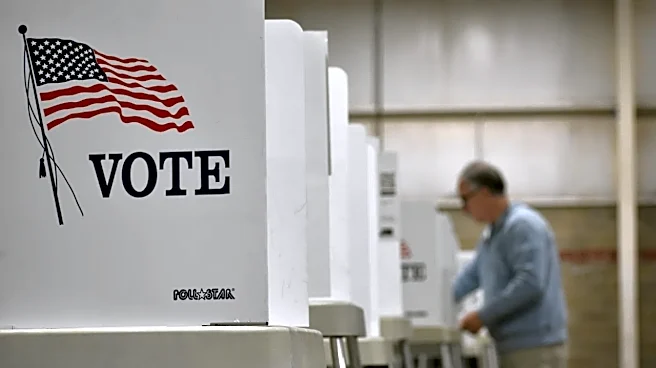
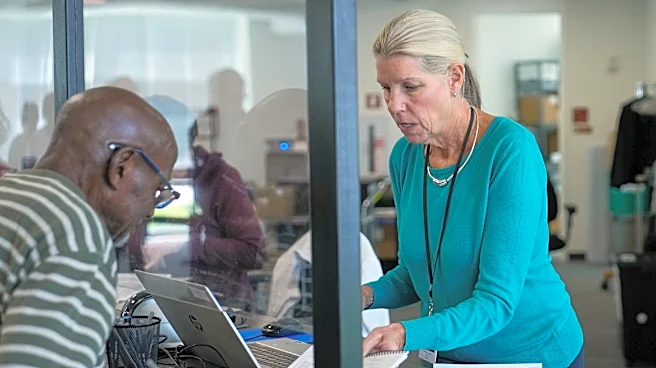
The certification journey begins at the local level. On election night, once the polls close, officials in each of New Hampshire's towns and city wards begin the initial count of all ballots, including those cast in person and by absentee. The results are tallied under the supervision of the local moderator. These initial, unofficial results are what you typically see reported by the media on election night. State law then requires the city or town clerk to send these official returns to the New Hampshire Secretary of State. This first step is crucial, as it forms the basis for the statewide tally.
The State's Official Tally: The Secretary of State
The New Hampshire Secretary of State, who serves as the state's chief election officer, is responsible for compiling the returns from all 234 towns
and cities. The Secretary's office doesn't just add up the numbers; it reviews the returns for consistency and prepares the official compilation of votes for all state and federal offices. This centralized tally provides a complete, though not yet final, picture of the election outcome. The Secretary of State's role is administrative and procedural, ensuring all local results are collected and properly accounted for before the final certification step can occur. This office also oversees any recounts that may be requested.
The Final Seal: The Governor and Executive Council
Here is where New Hampshire's unique political structure comes into play. The final, official certification of election results for state and federal offices is performed by the Governor and the Executive Council. The Executive Council is a five-member body elected every two years, with each member representing a different district of the state. Working alongside the governor, they hold significant power, including approving state contracts and appointments. In the context of elections, the Secretary of State prepares the final vote tallies and lays them before the Governor and Council. This body then formally examines, confirms, and certifies the results, making them official. This act is the ultimate step that declares the winners of the election.
Mark Your Calendars: The Certification Timeline
Unlike many states with a fixed date, New Hampshire's certification deadline is more flexible and event-driven. The final certification by the Governor and Council cannot happen until the window for any potential recounts has closed. Under New Hampshire law, a candidate has until the Friday after the election to request a recount. Therefore, the certification date is officially set for after this period has expired and any requested recounts have been completed. If there are no recounts, the certification can happen relatively quickly. However, if multiple recounts are necessary, the process can extend for several weeks. The Secretary of State publishes the schedules for any recounts, ensuring transparency throughout the process.
What About Recounts and Disputes?
Recounts are an integral part of ensuring election integrity, especially in close races. In New Hampshire, a candidate can request a recount if the margin of victory is within a certain threshold. The process is meticulous, often involving a hand recount of the ballots for the contested race. The Secretary of State's office manages and oversees these recounts. Any legal challenges or appeals regarding the election are typically handled by the Ballot Law Commission or the courts. The final certification by the Governor and Council only proceeds once these processes are fully resolved, ensuring that the results they are certifying are the definitive and legally recognized outcome of the election.