


No Automatic Recounts, Only Requests
Unlike some states, Iowa does not trigger automatic recounts based on a close margin. Instead, a recount must be formally requested. This process can be initiated by a candidate, a group of voters, or even an election official. The request must be filed within three days after the county's official canvass of votes. However, not just any race is eligible. For a candidate to request a recount in a federal or statewide election, the margin must be 0.15% or less. For state legislative or local races, the margin must be the lesser of 1% or 50 votes. Voters can also petition for a recount on a public measure under similar margin rules. If an election commissioner suspects a machine malfunction or counting error affected the results, they can also initiate what's
known as an administrative recount.
Assembling the Recount Board
Once a valid recount is requested, a special recount board is convened. According to recent changes in Iowa law, recounts are conducted by the county auditor (the commissioner) and their staff. For partisan offices, the law mandates bipartisan balance, requiring the auditor to assign an equal number of Republicans and Democrats to the recount board. The candidate requesting the recount and the apparent winner are each allowed to appoint up to five observers to watch the process in each county, ensuring transparency. Previously, candidates had a direct role in selecting members of the board, but the system was updated to standardize the process and prevent delays. The board must convene by 9:00 a.m. on the seventh day after the recount request is received.
The Process of Retabulating Votes
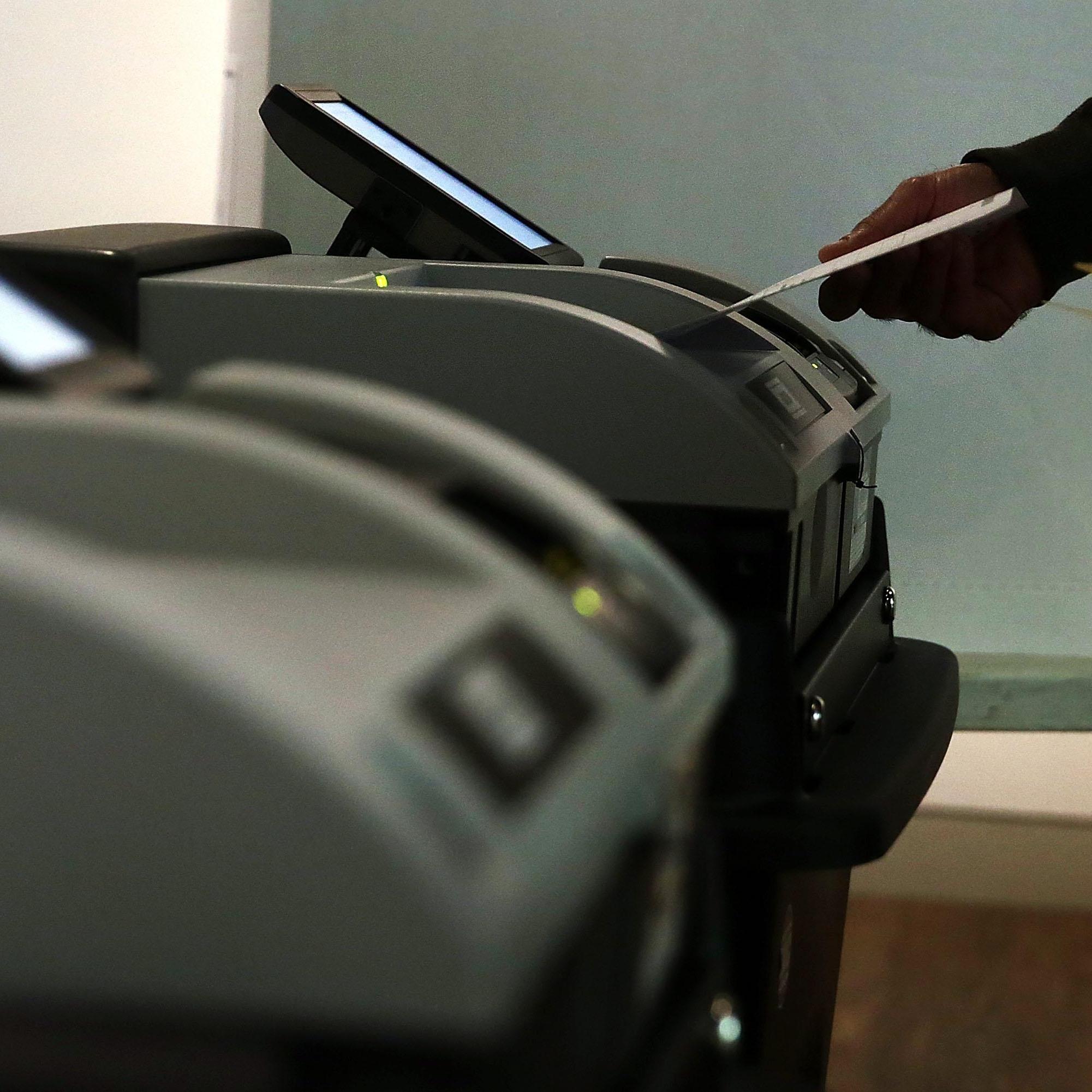
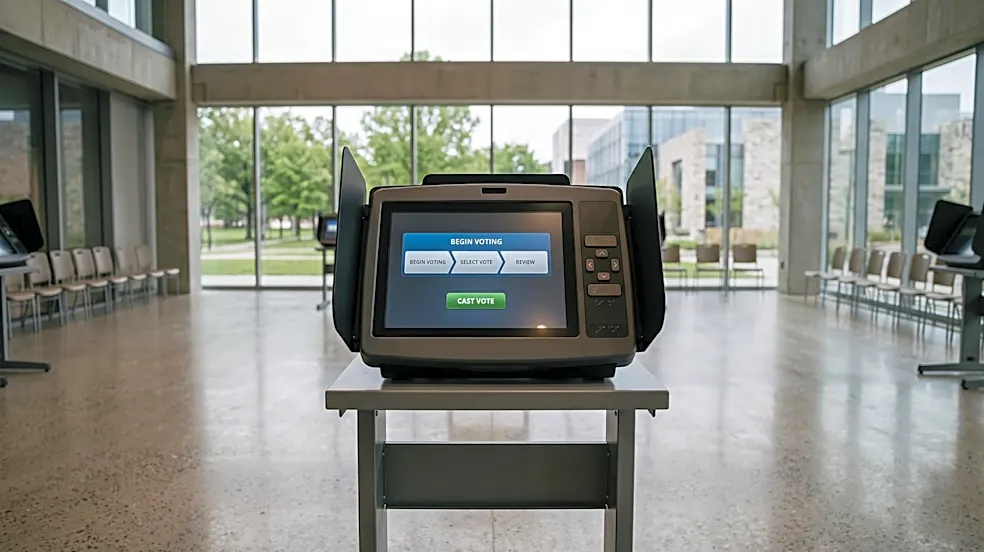
The recount board’s primary job is straightforward: re-tabulate all valid votes for the office in question. This includes all ballots that were originally accepted for counting, but not spoiled ballots or absentee ballots that were rejected before being opened. The recount is generally conducted using the same certified automatic tabulating equipment that was used on Election Day. A hand count is reserved for 'extraordinary circumstances,' such as a confirmed machine failure or a significant discrepancy between the original tally and the recount result. The board’s responsibility is simply to count the votes as marked; it does not rule on legal questions about the election's conduct or a voter's eligibility.
Handling Disputed Ballots and Finalizing Results
During a recount, the board follows specific standards outlined in Iowa code to determine voter intent on ballots that may be ambiguous. Their goal is to count a voter's definite choices, even if the machine originally read it differently. The board examines any ballots that were disputed during the initial count. Once the entire retabulation is complete, the recount board prepares a written report of its findings, which must be signed by at least two-thirds of its members. This report is filed with the county commissioner, establishing the new official vote total for the race. The entire process, from request to report, must be completed within 18 days. The ballots are then resealed and preserved. While the recount provides a final certified number, it doesn't preclude a candidate from pursuing a formal election contest in court if they still believe there are unresolved legal issues.