



The Automatic Recount Myth
First, let's clear up a common misconception: Kansas law does not provide for automatic recounts under any circumstances. Unlike other states where a close vote margin automatically triggers a new count, in Kansas, a recount only happens if someone formally requests one. This means that even if an election is decided by a single vote, the ballots will not be recounted unless a specific request is filed. The process is entirely stakeholder-driven, initiated by one of three parties: a candidate, a voter who participated in a ballot question election, or the county board of canvassers itself if it discovers significant errors during the initial vote certification. This places the responsibility squarely on those with a direct interest in the outcome
to ask for a second look.
The Half-Percent Rule
While there are no automatic recounts, there is a crucial provision that functions as a powerful incentive for one in tight races. This is the 'half-percent rule'. According to Kansas statute, if a candidate in a state or national general election is defeated by a margin of 0.5% or less of the total votes cast, that candidate can request a recount and the state will pay for it. This is the closest Kansas gets to an automatic process. The key distinction is that the candidate must still formally request the recount; it doesn't just happen. This provision removes the significant financial barrier that might otherwise deter a candidate from seeking a recount in an extremely close contest. However, it's important to note this state-funded option does not apply in primary elections; in those cases, the requester is always initially responsible for the cost.
Who Foots the Bill?
Outside of the narrow 0.5% margin in a general election, the cost of a recount falls on the person or campaign requesting it. To initiate the process, the requester must file a bond with the county election officer or Secretary of State to cover all estimated costs. This is a significant financial gamble. If the recount does not change the outcome of the election, the bond is used to reimburse the counties for their expenses. However, if the recount flips the result and the requester is declared the winner (or the outcome of a ballot measure changes), the bond is not touched, and the counties absorb the costs of the recount. This system ensures that recount requests are not made frivolously while providing a path for recourse when the outcome is genuinely in doubt.
The Process in Practice
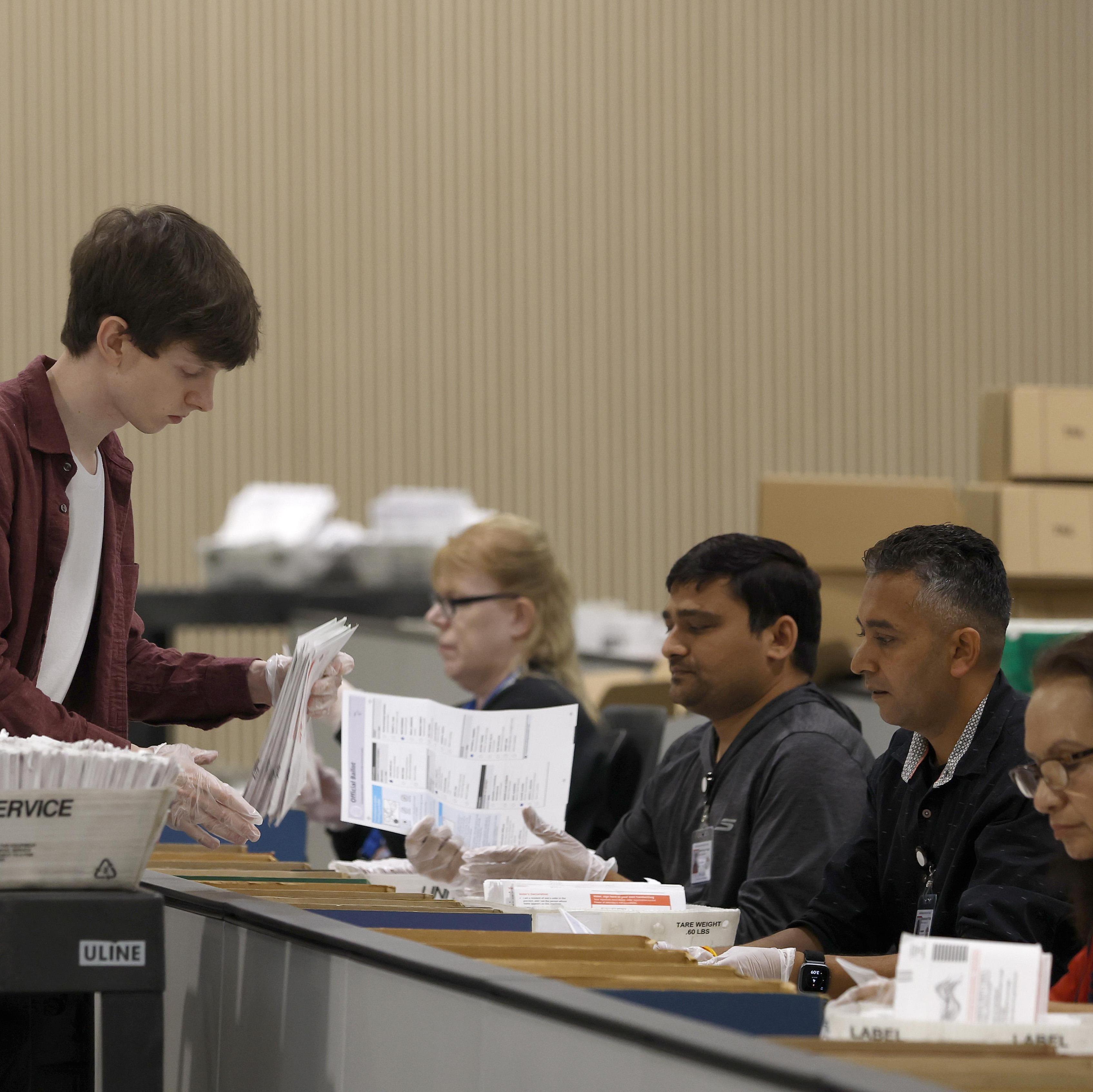
A request for a recount must be made in writing on a tight deadline: typically by 5 p.m. on the day after the county board of canvassers officially certifies the election results. The person requesting the recount can specify which precincts they want re-tabulated and, notably, can also choose the method. For instance, in a county that uses optical scanning machines, the requester can demand a full hand count of the paper ballots, offering a different method of verification from the original tally. Once requested and bonded (if necessary), county election officers appoint a special election board to conduct the recount under their supervision, a process that must be completed within five days.
Don't Confuse a Recount with an Audit
It is also useful to distinguish a recount from a post-election audit, which is a standard and mandatory part of the Kansas election process. Audits are conducted before results are certified and are designed to ensure the voting equipment tabulated ballots correctly. Every election in Kansas involves a hand-count audit of a random sample of ballots to check against the machine count. If a statewide race is within a 1% margin, a 'close-race audit' is triggered, requiring a larger sample to be manually reviewed. These audits happen automatically and at no cost to candidates. A recount, on the other hand, is an optional, full re-tabulation of votes that happens only after the initial results have been certified and only upon request.