




What 'Canvass' Actually Means
In the context of an election, 'canvass' is more than just counting. It is the official, legally defined process of ensuring that all votes have been counted and tabulated correctly. This period allows election officials to double-check their work, process every valid ballot, and authenticate the final results. It involves examining precinct returns, reconciling ballot counts, and conducting legally required audits. Rather than a delay, the canvass is a crucial security and accuracy measure designed to build confidence in the final outcome. It’s when local bipartisan boards confirm that the numbers are right before declaring official winners.
The County-Level Timeline: Ten Days to Certainty
The heavy lifting of the canvass happens at the local level. North Carolina's 100 county boards of elections
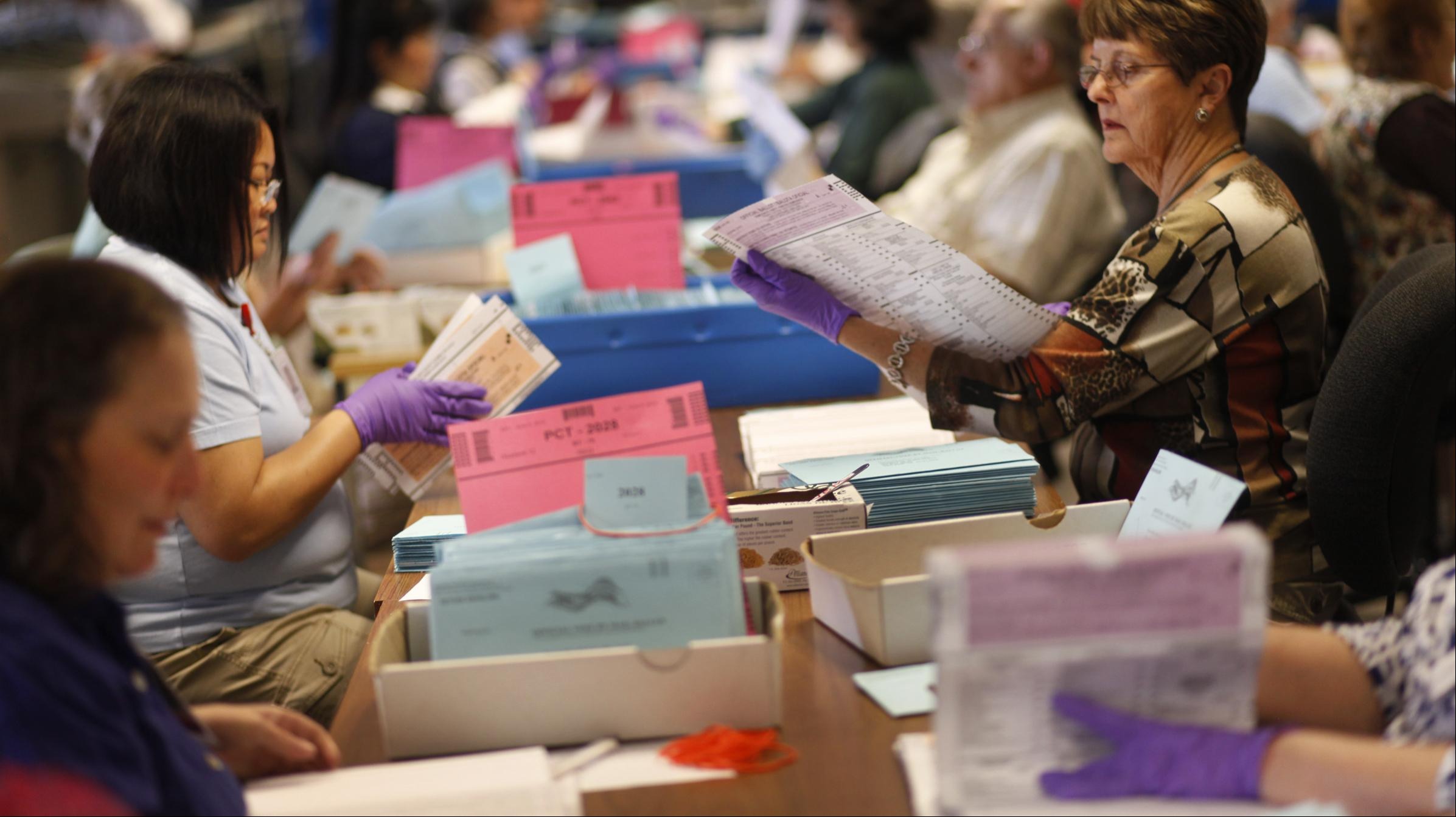
are the primary authorities responsible for certifying their local results. State law gives them ten days after a general election to complete this task. Their canvass meetings are typically held at 11 a.m. on the tenth day. During this 10-day window, officials aren't just waiting; they are actively processing ballots that couldn't be counted on election night. This includes verifying and counting valid mail-in absentee ballots, as well as researching the eligibility of every single provisional ballot cast.
Provisional and Mail-In Ballots: Why Accuracy Takes Time
A significant reason the canvass period exists is to handle ballots that require extra verification. Provisional ballots are given to voters when there's a question about their eligibility—for instance, if their name isn't on the voter roll or they're at the wrong precinct. During the canvass, county officials research each case to determine if the voter was eligible and if their ballot should be counted in whole or in part. Similarly, mail-in absentee ballots that are postmarked by Election Day and arrive within a legally specified window must be processed. Bipartisan teams review these ballots to ensure they meet all legal requirements before being added to the final tally. This methodical work ensures every legal vote is counted, but it simply cannot be rushed.
From the Counties to the State: Final Certification
Once each county board certifies its results, the numbers are sent to the state. The North Carolina State Board of Elections then aggregates the totals from all 100 counties. The State Board has its own deadline to meet. It is scheduled to meet on the Tuesday three weeks after Election Day to conduct the statewide canvass, where it formally certifies the results for all statewide and multi-county contests. Only after this final step are the election results considered truly official across the state. This layered process, from the precinct to the county to the state, provides multiple checkpoints for accuracy and integrity.
Audits, Recounts, and Protests
Even the canvass isn't always the last word. North Carolina law includes provisions for post-canvass audits and recounts. After every election, the State Board randomly selects precincts in each county for a hand-to-eye audit, comparing a manual ballot count to the machine totals to verify accuracy. Furthermore, candidates in very close races have the right to request a recount after the county canvass is complete. For statewide races, a recount can be requested if the margin is 10,000 votes or 0.5%, whichever is less. These procedures serve as a final backstop, offering a transparent path to resolve close contests and ensure that the certified winner is the true winner.