


The First Results: Early and Absentee Ballots
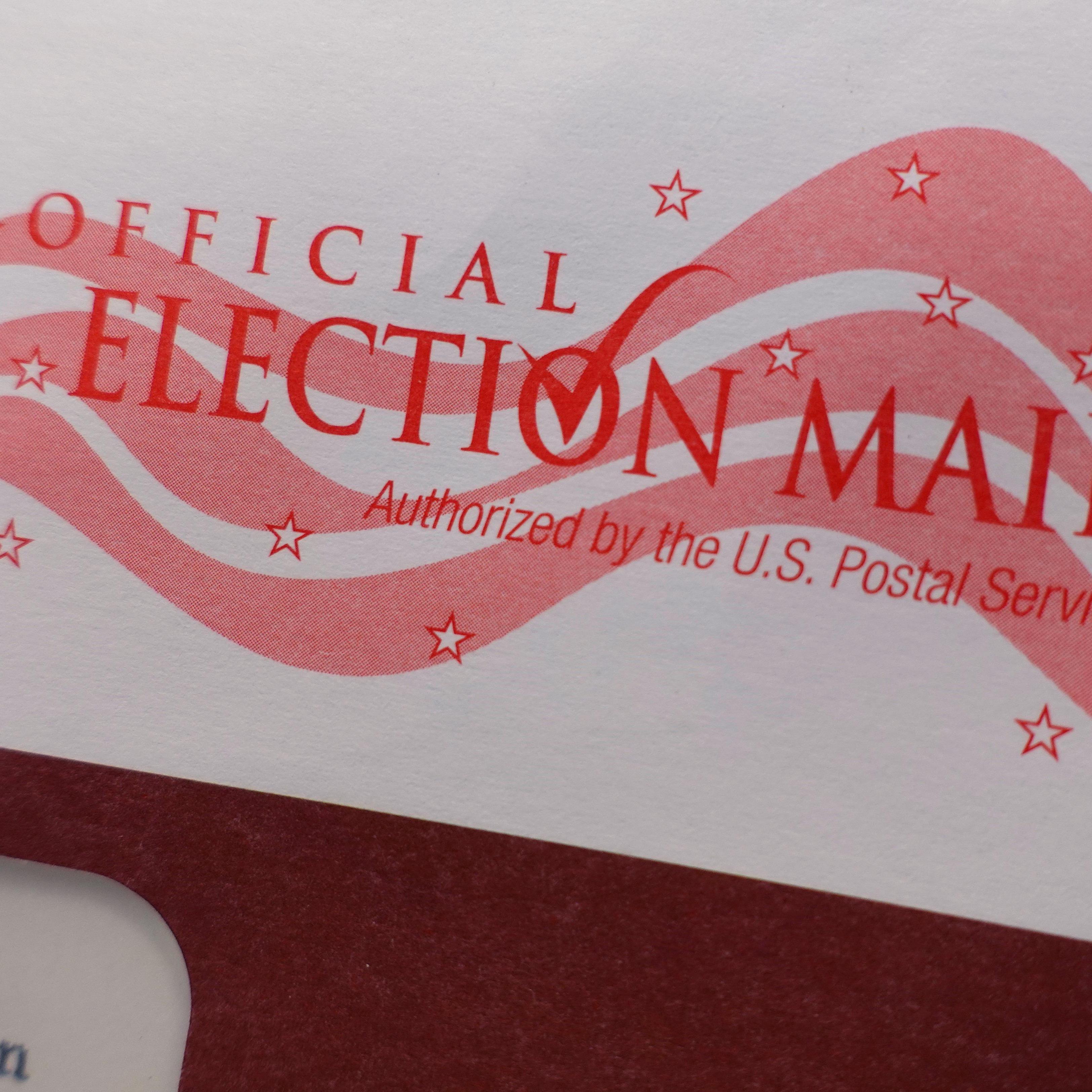
The first batch of results you see on election night in Ohio comes from the votes cast before Election Day. This includes both mail-in absentee ballots and in-person early votes. Ohio law allows county boards of elections to begin processing these ballots as they arrive in the weeks leading up to the election. This involves verifying signatures and preparing the ballots for scanning. While they can do all the prep work, the actual counting, or tabulation, cannot begin until the polls close at 7:30 p.m. on Election Day. Because these ballots are processed in advance, they are ready to be counted immediately. As soon as polls close, counties can tabulate this first large batch and release the results, often leading to a significant data drop right
at the start of the night.
The Main Event: Election Day In-Person Votes
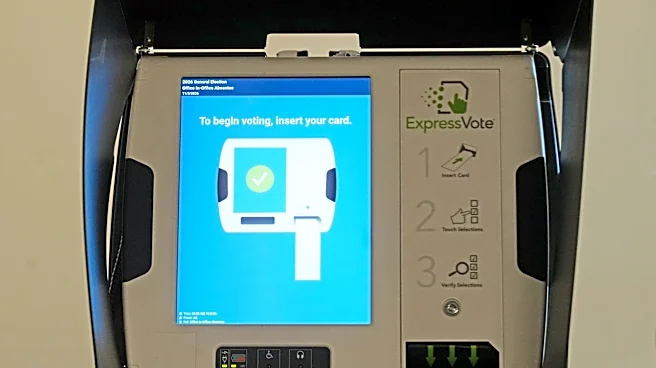
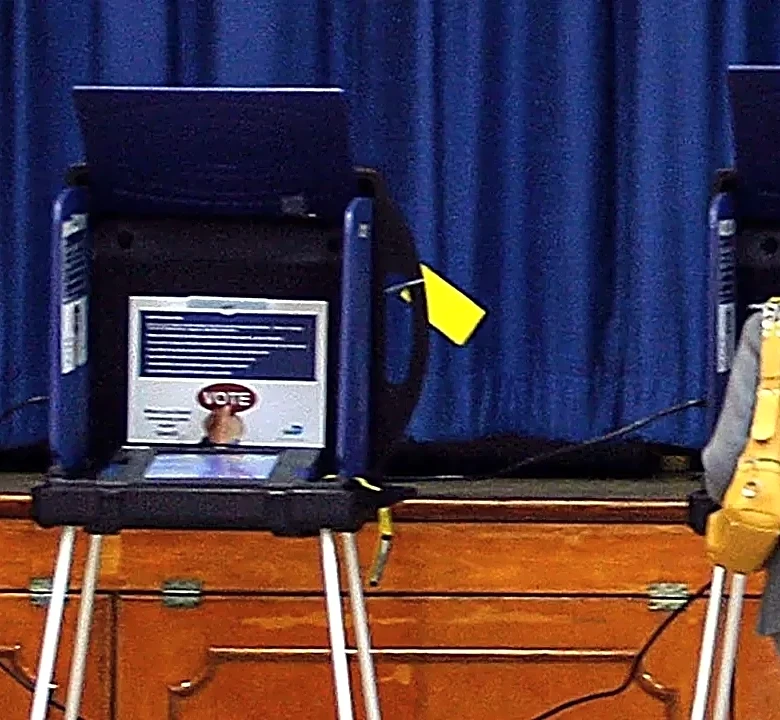
After that initial wave of early and absentee results, the focus shifts to the ballots cast in person at polling places on Election Day. As precincts close, poll workers transport the ballots and memory cards from voting machines to their county's board of elections. Throughout the night, these results are tallied and added to the totals. The reporting schedule varies by county; some report every quarter-hour, while others report every half-hour. This creates the steady trickle of new numbers that you see changing on your screen over several hours. This phase of the count represents the bulk of the work on election night itself and continues until all precincts have reported their totals.
The Final Pieces: Provisional and Late-Arriving Ballots
The counting process doesn’t end when the last precinct reports. The final votes to be added are provisional and certain late-arriving ballots. A provisional ballot is used when a voter's eligibility is in question—for instance, if they moved without updating their registration or forgot their required photo ID. These ballots are kept separate and are not counted on election night. Election officials have a period after the election to verify each voter's eligibility. This can involve checking registration records or confirming that a voter provided a valid ID within the required timeframe. Additionally, ballots from military and overseas voters (UOCAVA voters) can be counted if they arrive by a specified deadline after Election Day. This final verification and counting phase happens in the days following the election, before the results are officially certified.
Why This Order Can Create Shifting Leads
Understanding this sequence is key to avoiding confusion about shifting results. In many elections, one political party's supporters may prefer voting by mail, while the other's may prefer voting in person on Election Day. If a large number of early and absentee ballots—which are counted first—favor one candidate, they might jump out to a big initial lead. As the Election Day votes are tallied throughout the night, that lead can shrink or even flip entirely. This phenomenon, sometimes called a 'red mirage' or 'blue shift' depending on which party benefits from which voting method, isn't a sign of a problem. It’s a direct result of the legally mandated order in which different types of ballots are counted. Patience is crucial, as the unofficial election night tally is just a snapshot, not the final, certified result.