

Yes, but With Strict Rules
The short answer is yes, Virginia absolutely permits observers—often called 'authorized representatives' or 'poll watchers' in state code—to be present during elections. This includes not just activity at polling places on Election Day, but also the crucial periods before and after, such as the pre-processing of absentee ballots and the post-election vote count, or canvass. The entire system is built on the idea of allowing partisan and neutral representatives to see the process unfold, acting as a check to ensure fairness and accuracy. However, this access isn't a free-for-all. The Code of Virginia lays out a detailed framework governing who can be an observer and, just as importantly, what they are and are not allowed to do to ensure the process remains
orderly and free from intimidation.
Who Gets a Pass to Observe?
Access is not granted to just any member of the public who wants to walk in. Virginia law specifically designates who can appoint observers. Primarily, this right belongs to the official state-recognized political parties (currently the Democratic and Republican parties) and any independent candidates whose names appear on the ballot. The local party chair or the independent candidate must provide a signed letter of authorization for each representative they send. To qualify, an observer must be a registered voter in Virginia and cannot be a candidate on the ballot in that election. Local electoral boards also have the discretion to authorize additional 'neutral' observers from non-partisan groups, such as educational organizations, to further enhance transparency.
The Do's and Don'ts of Watching
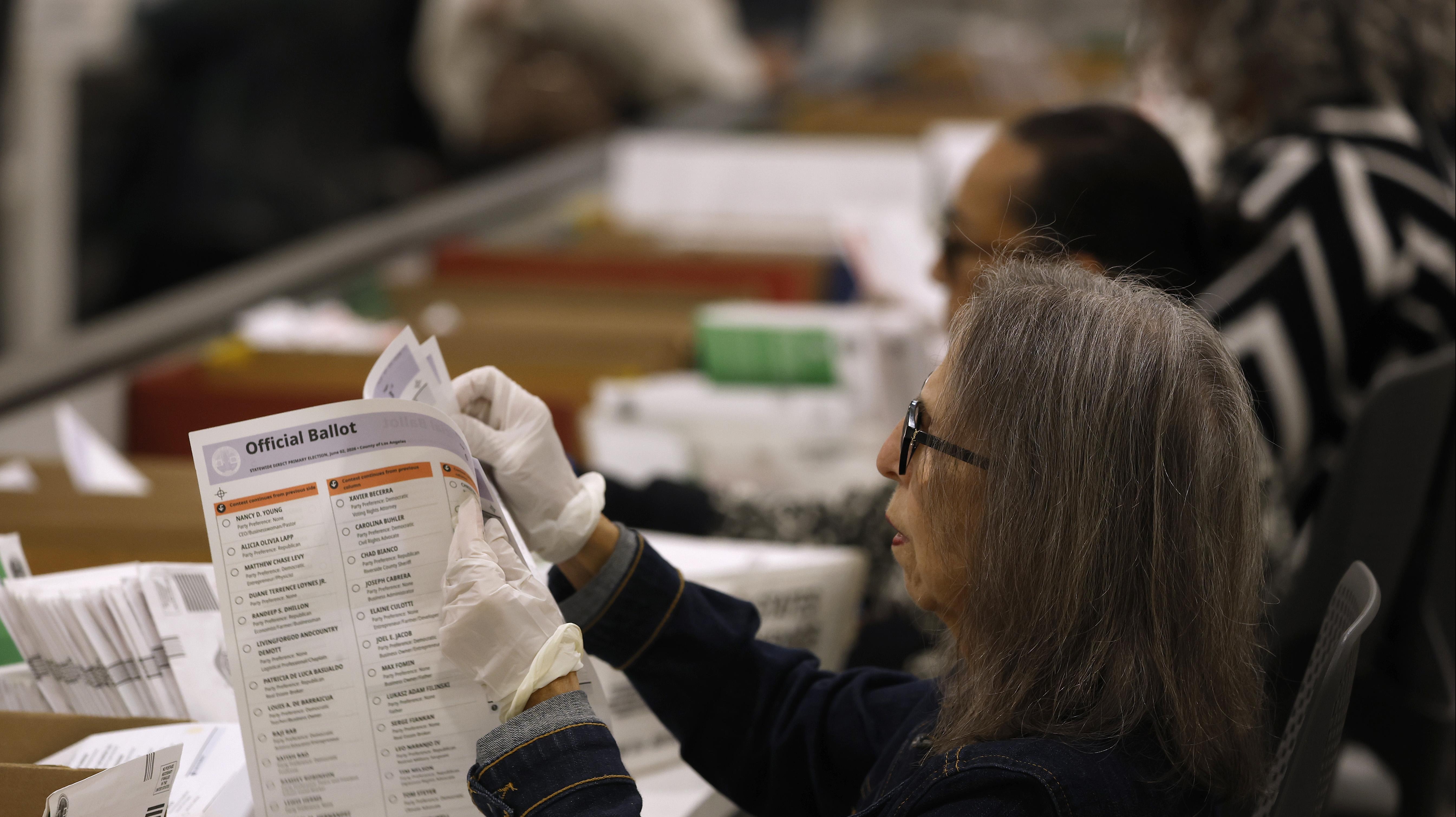
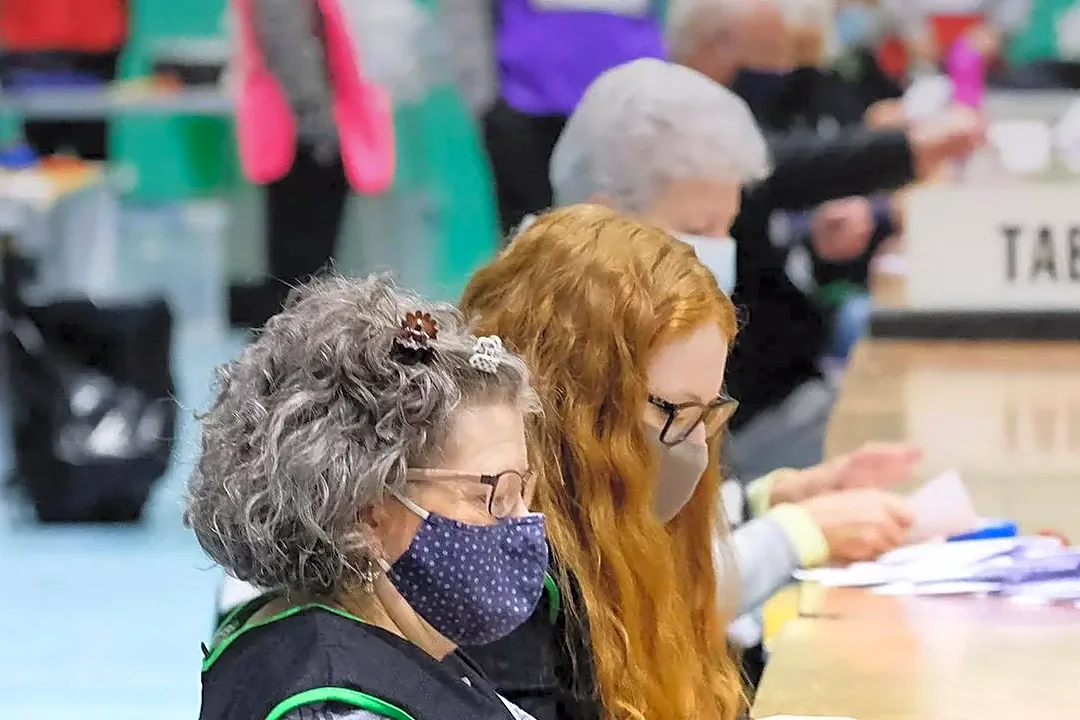
The role of an observer is to watch, not to interfere. Virginia law is very clear on this point. Observers are entitled to be in a position where they can see and hear the proceedings, such as the check-in of voters or the opening of ballots during the canvass. They can take notes and, if they see a potential issue, they are supposed to raise it with the chief election officer on site. What they absolutely cannot do is interact directly with voters, try to influence anyone's vote, or handle any election materials like ballots or voting equipment. They are also forbidden from taking photos or videos inside the polling place or any other area where voting or counting is active. The goal is to allow observation without disrupting the process, intimidating voters, or compromising the secrecy of anyone's ballot.
Balancing Transparency and Security
The logic behind Virginia's rules is to strike a critical balance. On one hand, allowing partisan and neutral observers to witness the process is a cornerstone of building public trust. When representatives for all sides can see that procedures are being followed correctly, it reinforces the legitimacy of the outcome. On the other hand, the election process must be protected from disruption, delay, and intimidation. Strict rules about who can be an observer and how they must behave prevent a chaotic environment where voters feel harassed or election officials are unable to do their jobs efficiently. By creating a structured and regulated system of observation, Virginia aims to provide a clear window into its electoral mechanics while ensuring the engine of democracy runs smoothly and securely for everyone.