



Two Main Paths to a Recount
In Pennsylvania, a recount isn't just one single process; it can be initiated in two distinct ways. The first is an automatic recount, which is triggered when the results of a statewide election are extremely close. This is the most well-known type and is managed at the state level. The second path is a recount initiated by voters. This is a more granular, citizen-led process that happens at the local level and doesn't depend on a razor-thin margin. Unlike in some other states, candidates themselves cannot directly request a recount; they must rely on one of these two mechanisms.
The Automatic Recount: When the Margin Is Paper-Thin
An automatic recount is triggered for statewide races—like those for president, U.S. senator, or governor—if the margin of victory is 0.5% or less of the total votes
cast. When unofficial results show a race falling within this tight window, the Pennsylvania Secretary of the Commonwealth is legally required to order a recount. The process is not optional, though a losing candidate does have a short window to waive their right to a recount. This type of recount is funded by the state, meaning taxpayers cover the significant costs of the statewide effort. The last time this happened was in the 2022 Republican primary for U.S. Senate.
The Voter-Initiated Recount: A Local Affair
Even if an election isn't close enough for an automatic recount, voters can still petition to have votes re-tabulated in their specific voting district, or precinct. To do this, a petition signed by three voters from that district must be filed with the county board of elections, alleging that an error or fraud occurred. These petitions must be filed within five days of the election. For a voter-initiated recount to affect a statewide race, petitions would need to be successfully filed in thousands of precincts across Pennsylvania, which is a monumental undertaking. A 2023 Pennsylvania Supreme Court ruling affirmed that petitions must either be filed across all precincts in a race or present credible evidence of fraud or error to proceed.
The Nuts and Bolts of Counting Again
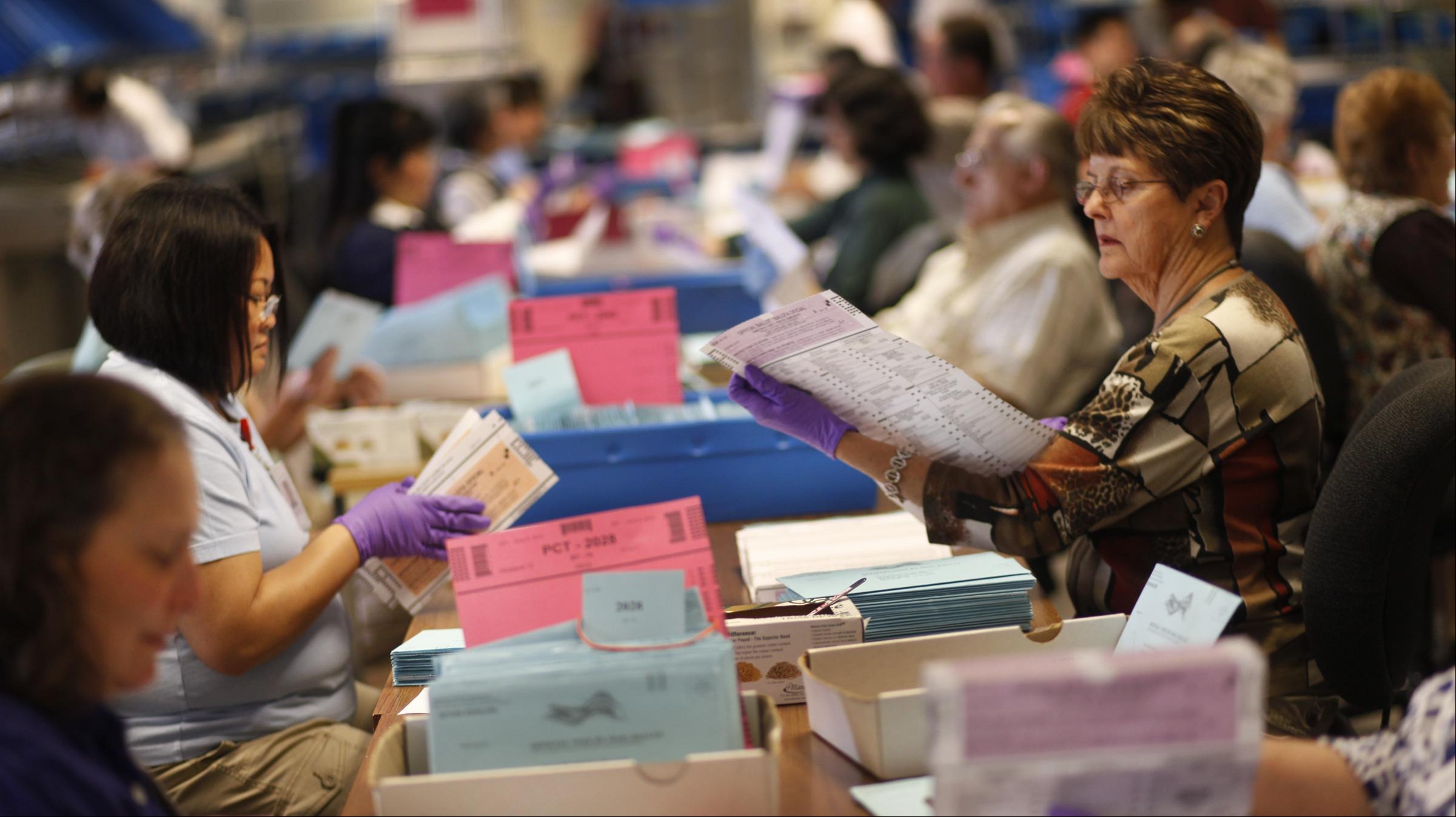
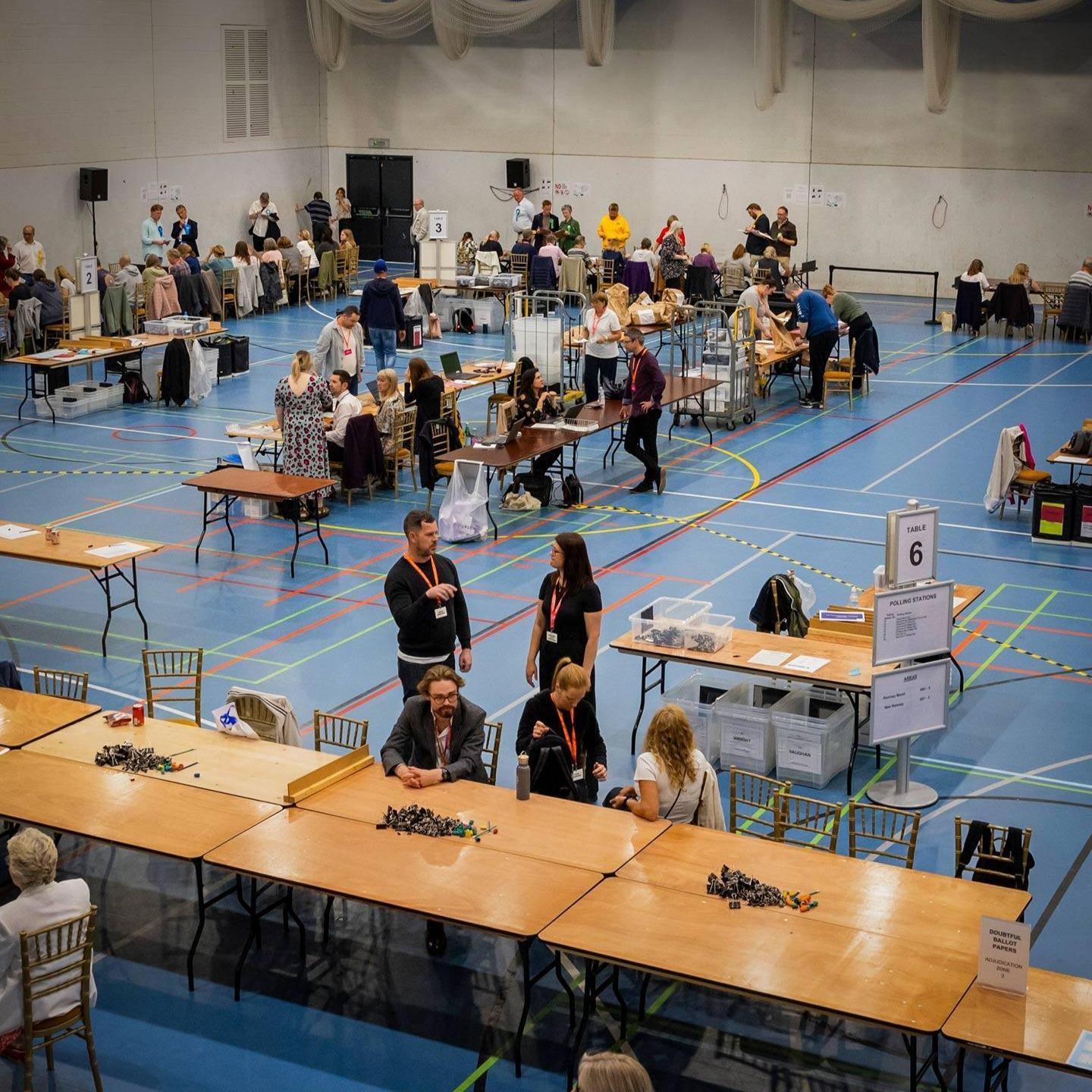
Once a recount is ordered, county election boards get to work. The exact method depends on the voting equipment used in a county. For counties using paper ballots with electronic scanners, the board will typically rescan the ballots. The law requires them to use a different machine or method than was used for the initial count to ensure an independent verification. Any ballots with 'overvotes'—where a voter marked more candidates than allowed—must be examined manually. In districts with older voting machines, officials conduct a 'recanvass' of the machine's vote totals. Throughout the process, representatives for the candidates and political parties are permitted to be present and observe the proceedings.
Who Foots the Bill?
The question of who pays depends entirely on how the recount was initiated. For an automatic recount triggered by a close margin, the state reimburses the counties for the costs. However, for recounts initiated by voter petitions, the petitioners themselves are on the hook. When filing a petition, they must post a cash deposit or a bond, typically around $50 or $100 per precinct. This money is used to cover the administrative costs of the recount. There's a catch, though: if the recount discovers fraud or a substantial error that changes the outcome of the race, the petitioners get their money back. If it doesn't, they forfeit the funds.