


The Short Answer: Yes, With Rules
Delaware law absolutely permits observation of the election process, including during voting and the subsequent count. However, this access is not an unrestricted free-for-all. The system is built on a specific, regulated framework that designates who can be an observer, what their powers are, and the strict rules they must follow to ensure the process remains secure and orderly. These observers are officially known in Delaware's legal code as 'challengers,' which points to their primary, legally defined function.
Who Gets to Be a Challenger?
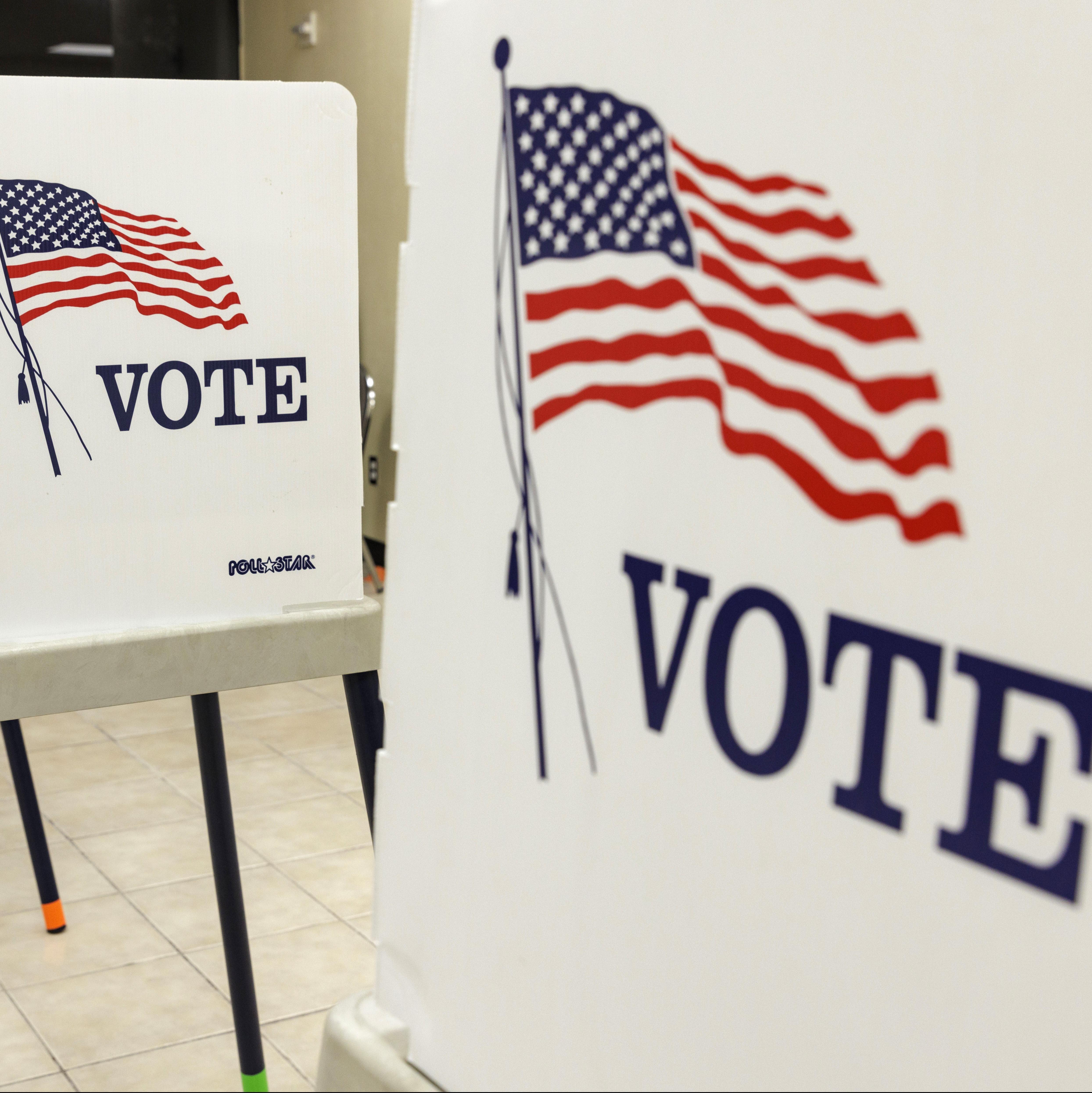
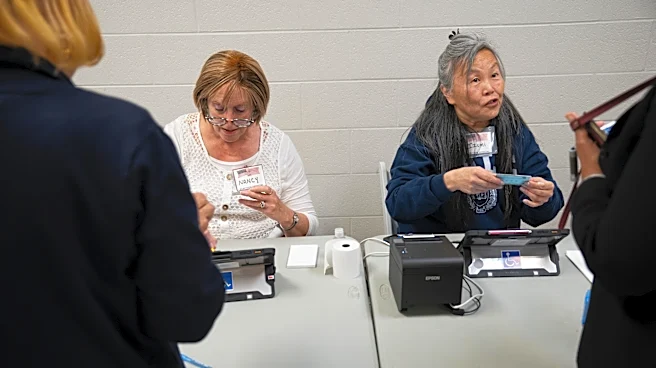
Public access to the direct voting area is limited, but designated representatives are allowed inside. Under Delaware law, these official observers, or challengers, are not just any member of the public. They must be formally appointed.
For a general election, each political party with a candidate on the ballot can appoint challengers through its county committee. For primary elections, each individual candidate may appoint their own challengers. This structure ensures that the primary stakeholders in the election's outcome—the parties and candidates—have direct oversight. One challenger per party or candidate is typically permitted inside the polling place at a time to witness the proceedings and review election records.
What Observers Can (and Cannot) Do
The role of a challenger is twofold: to observe and to challenge. They are permitted to watch the conduct of the election, see that procedures are being followed correctly, and review election records. Their most significant power is the ability to challenge a voter's eligibility on specific grounds, such as identity or residency. However, their power has clear limits. Challengers are forbidden from creating disturbances, obstructing the process, or engaging in 'electioneering,' which includes any form of political discussion, wearing campaign buttons, or distributing literature within the polling place or a 50-foot buffer zone. Election inspectors are empowered to eject any challenger who oversteps these boundaries.
Observing the Count Itself
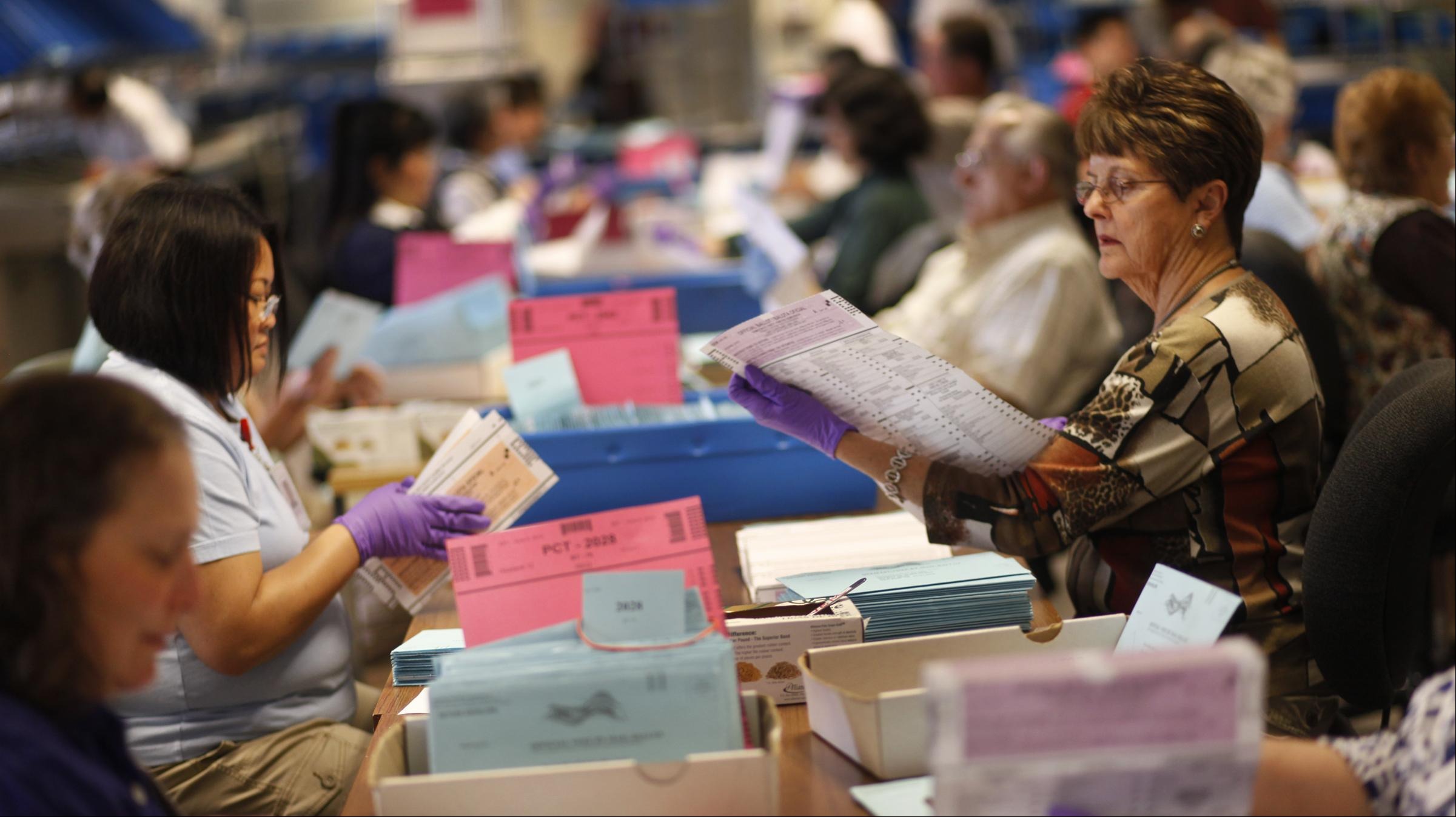
Observation isn't limited to what happens at the polling place on Election Day. The process of counting absentee ballots and the post-election audits are also subject to observation. The Superior Court in each county convenes as the 'board of canvass' two days after the general election to publicly certify the results. Representatives from the Department of Elections are present as observers and assistants during this crucial tabulation. Furthermore, Delaware law mandates post-election audits where votes on randomly selected paper ballots are hand-counted and compared to electronic totals. These audits are conducted at public meetings, providing another layer of transparency that is open to observation.
The Balance Between Transparency and Security
Delaware's system is a carefully constructed balance. On one hand, it embraces the principle of transparency by granting official standing to partisan and candidate-appointed observers, giving them a clear view of the process from start to finish. This is intended to build public trust and confidence in the election outcome. On the other hand, the strict rules governing who can be a challenger and what they can do are designed to protect the integrity of the election itself. By preventing interference, intimidation, and disruption, the law ensures that the process is not only transparent but also efficient, orderly, and secure for every voter. The goal is to let the public see that the system works without letting that observation disrupt the system itself.