




The Two-Pronged 'Close Vote' Rule
In Connecticut, an automatic recount—officially called a 'recanvass'—is mandated when the margin of victory is exceptionally narrow. The state has a two-part rule for what constitutes a 'close vote' in a general election. An automatic recanvass happens if the winner’s lead over the next-highest candidate is either less than 20 votes, or less than 0.5% of the total votes cast for that office, so long as that 0.5% margin doesn't exceed 2,000 votes. If the margin is, for example, 25 votes, but that's only 0.1% of the total, the 'less than 20 votes' rule doesn't apply, but the 0.5% rule does, triggering the recount. A tie vote also automatically triggers a recanvass. The rules for primary elections are similar, but the vote cap is tighter: the 0.5% margin cannot
exceed 1,000 votes.
What is a Recanvass?
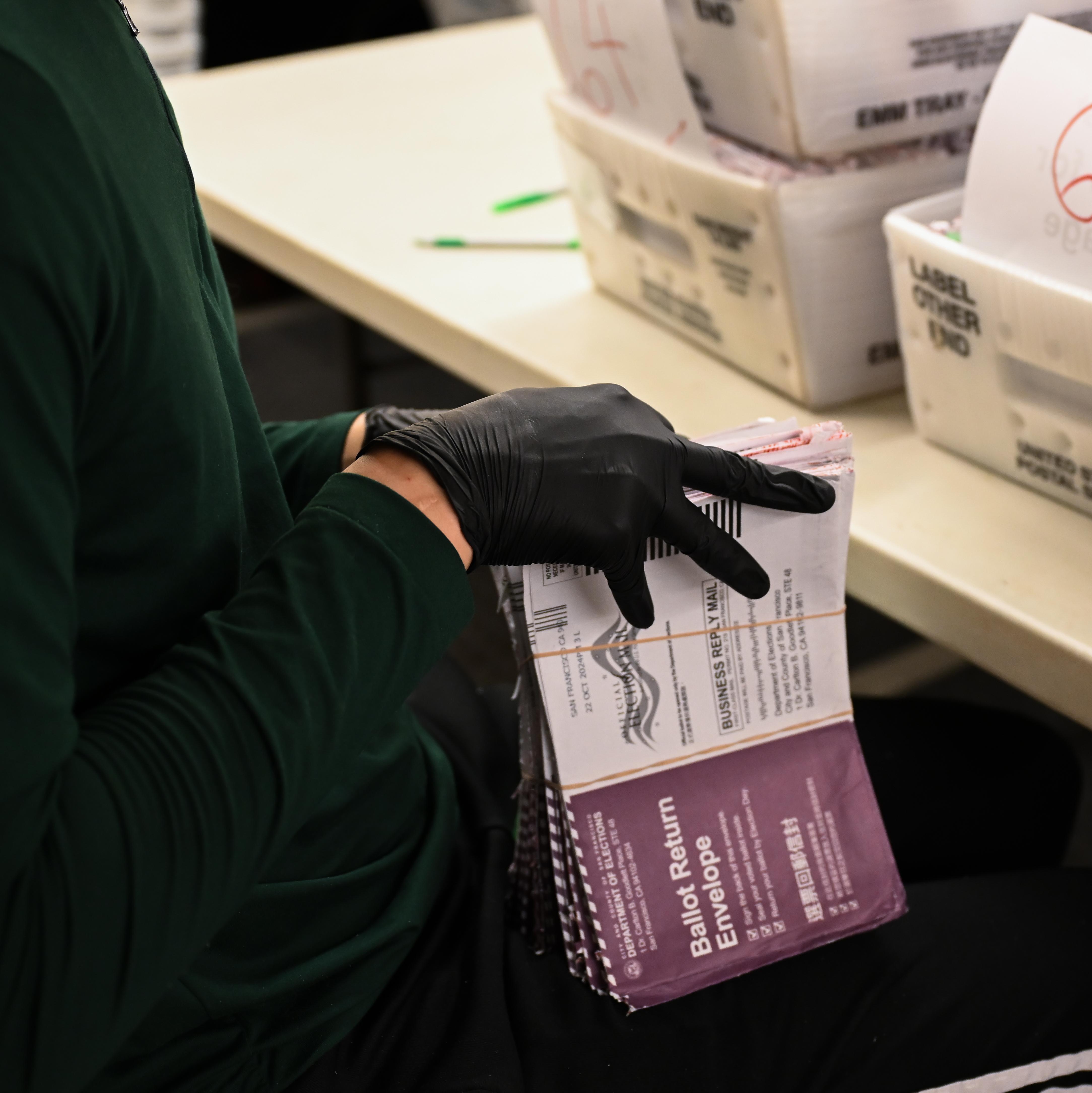
The term 'recount' is common, but Connecticut law uses the word 'recanvass'. It’s a process overseen by a local election official known as the head moderator. Unlike a simple retallying, a recanvass involves a thorough re-examination of the votes. This includes re-feeding machine-readable ballots through the tabulators and, where necessary, hand-counting ballots that the machine couldn't read or where the voter's intent was unclear. The process also involves verifying absentee ballot envelopes and cross-referencing them against voter checklists. Essentially, it’s a careful, methodical second look to ensure the initial count was accurate. The entire recanvass must be completed no later than five business days after the election.
Discrepancy Triggers
A tight margin isn't the only reason for a recount. An automatic recanvass can also be ordered if an election moderator discovers a 'discrepancy' in the vote totals within three days of the election. A discrepancy might be a simple clerical error, a mismatch between the number of voters checked in and the number of ballots cast, or any other anomaly that suggests the reported results may not be correct. Unlike a close-vote recanvass, which a losing candidate can choose to waive, a recount triggered by a discrepancy is mandatory. This gives election officials the power to correct potential errors proactively, ensuring the integrity of the results regardless of how close the race was.
The Recanvass Process and Who Is Involved
When a recanvass is triggered, the head moderator summons a bipartisan team of election officials to conduct it. This team typically includes checkers and absentee ballot counters who worked on Election Day. The process is transparent and open to public observation. The campaigns for the candidates involved in the recount are formally notified and are allowed to have representatives present to observe the proceedings. These observers cannot interfere with the officials counting the ballots, but they can watch closely and note any perceived irregularities. Once the recanvass is complete, the moderator files a new, corrected return that officially replaces the original election night results.
No 'Requested' Recounts
One important distinction in Connecticut law is that candidates cannot simply request a recount if they don't like the result. The triggers are automatic and based entirely on the mathematical margins or official discovery of a discrepancy. Some states allow a candidate to petition and even pay for a recount even if the margin isn't particularly close, but Connecticut is not one of them. The system is designed to be self-executing, removing the decision from the hands of the candidates and placing it squarely within the legally defined parameters. This ensures that recounts are reserved for situations where the outcome is statistically uncertain, rather than becoming a routine tool for every losing campaign.