


The Automatic Trigger: The 1% Rule
In South Carolina, recounts are not a matter of choice or discretion in most cases; they are mandatory and automatic under one specific condition. If the margin between two candidates, or between the 'yes' and 'no' votes on a ballot question, is 1% or less of the total votes cast, a recount is required by law. This rule applies to primary and general elections, as well as constitutional amendments. This taxpayer-funded process is designed to be a non-partisan, automatic check on results that are exceptionally close. The board responsible for canvassing the votes must order the recount unless the trailing candidate formally waives their right to it in writing.
No Requested Recounts Allowed
One of the most distinct features of South Carolina's election law is what it doesn't
allow. Unlike many other states, South Carolina does not permit candidates or voters to request a recount, regardless of the circumstances. If the final vote margin is greater than 1%, there is no legal mechanism for a candidate to demand a second count, even if they are willing to pay for it. The automatic 1% trigger is the only path to a recount in the state. This simplifies the process and removes the potential for recounts to be used as a political tool or delay tactic in races that are not statistically close.
The Recount Process: Rescanning the Ballots
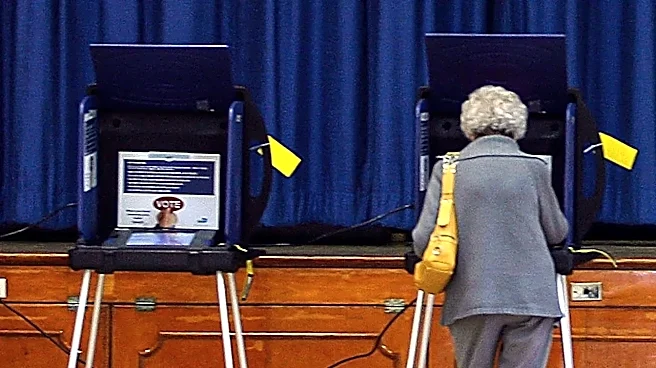
Once a mandatory recount is triggered, the process is ordered 'forthwith' by the canvassing board after the initial vote certification. While the law doesn't specify an exact deadline for completion, it is meant to be handled expeditiously. The actual procedure involves re-tabulating the ballots. Since South Carolina transitioned to using ballot marking devices (BMDs) in 2019, the recount process typically involves re-scanning the paper ballots that were produced by these machines. This is not a hand count of every single ballot, but rather a machine retabulation to verify the original electronic tally. The process is conducted by election officials and is open to public observers to ensure transparency.
Who Oversees and Certifies the Final Count?
The entire recount process is overseen by official bodies. Initially, county boards of canvassers review and certify the votes from their precincts. If a recount is triggered in a local race, the county board would order and oversee it. For statewide races or constitutional amendments, the Board of State Canvassers is the responsible authority. After the recount is complete, the new totals are reviewed. The canvassing board then certifies the final, official results. This certification makes the outcome legally binding, concluding the election contest and providing a definitive result confirmed by the verification of the recount.