

The Short Answer: Yes, With Rules
The simple answer is yes, the District of Columbia absolutely permits observers during the vote counting process. Like all U.S. jurisdictions, D.C. has a detailed set of regulations designed to balance two critical goals: transparency and security. The D.C. Board of Elections (DCBOE) is responsible for administering these rules, which ensure that the public can have confidence in the results without allowing interference that could compromise the election. The entire framework is built on the idea that a supervised, open process is the best way to guarantee a fair outcome. Observers are seen as a key part of this, acting as the public's eyes and ears inside the counting centers.
Who Gets a Seat at the Table?
Not just anyone can walk in off the street and demand to watch the count.
D.C. law specifies who qualifies as an official observer. Each candidate on the ballot, as well as proponents and opponents of a ballot measure, can petition the DCBOE for credentials that authorize observers. Political parties are also entitled to designate representatives. Beyond partisan watchers, D.C. law explicitly welcomes nonpartisan domestic and international observers. This includes representatives from civil rights groups, voting rights organizations, and other civic associations who wish to witness the administration of the election. This broad inclusion of both partisan and nonpartisan groups is a key feature of D.C.'s approach, aiming to provide multiple layers of public accountability.
What Observers Can and Can't Do
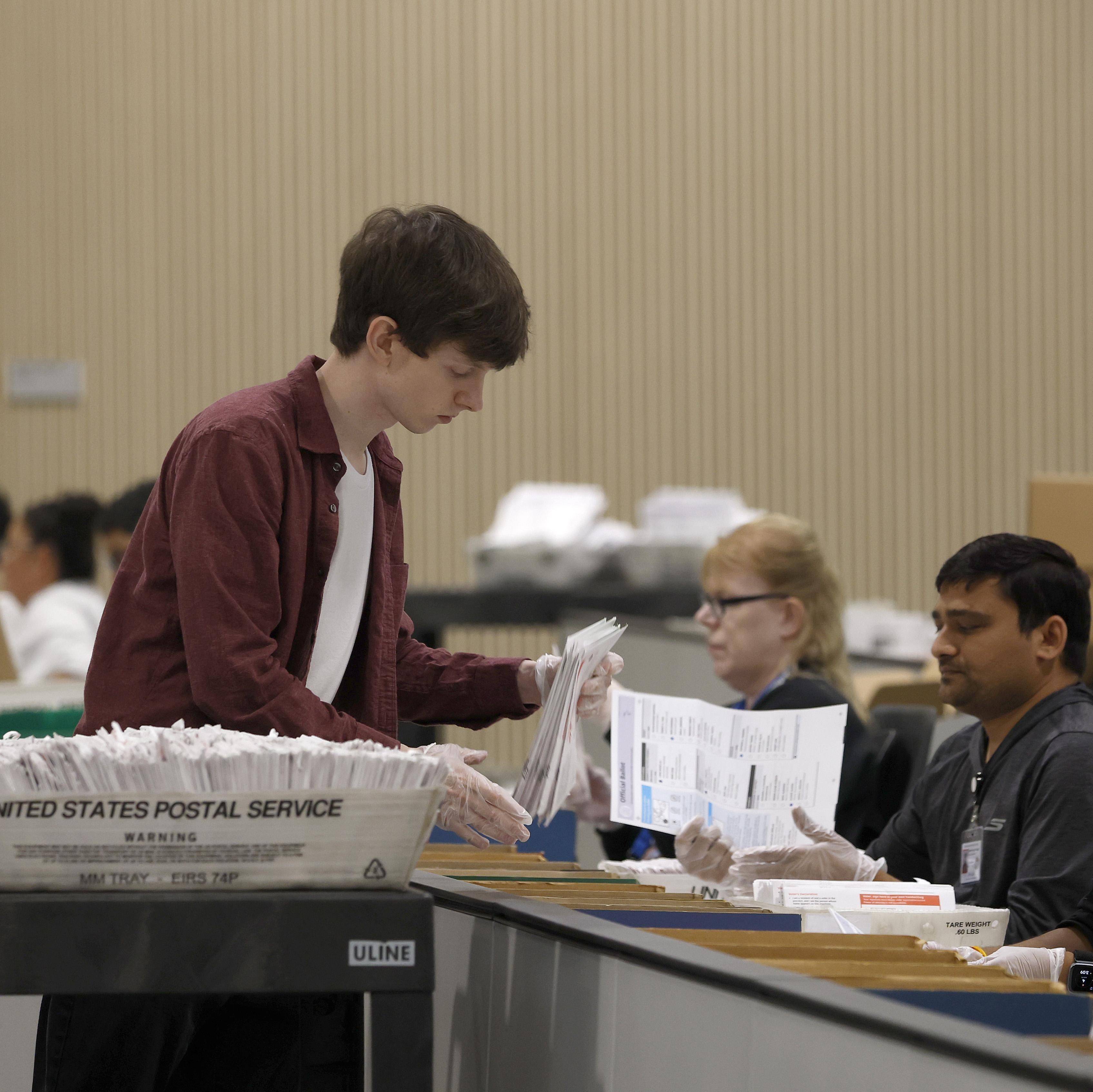
The role of an observer is just that—to observe. The rules are strict about what is permissible. Observers are allowed to be present and witness all stages of the process, from the opening of ballot boxes to the final tally. They can watch as ballots are processed and counted to ensure procedures are followed correctly. However, their role is passive. D.C. regulations explicitly prohibit observers from touching ballots or any election equipment. They cannot speak to voters, interfere with election workers, or disrupt the process in any way. If an observer has a question or a challenge, they must direct it to a designated election official, not the person counting the ballots. Using video or still cameras inside the polling or counting place is also forbidden. Any observer who violates these rules can be removed from the location.
From Polling Place to Final Tally
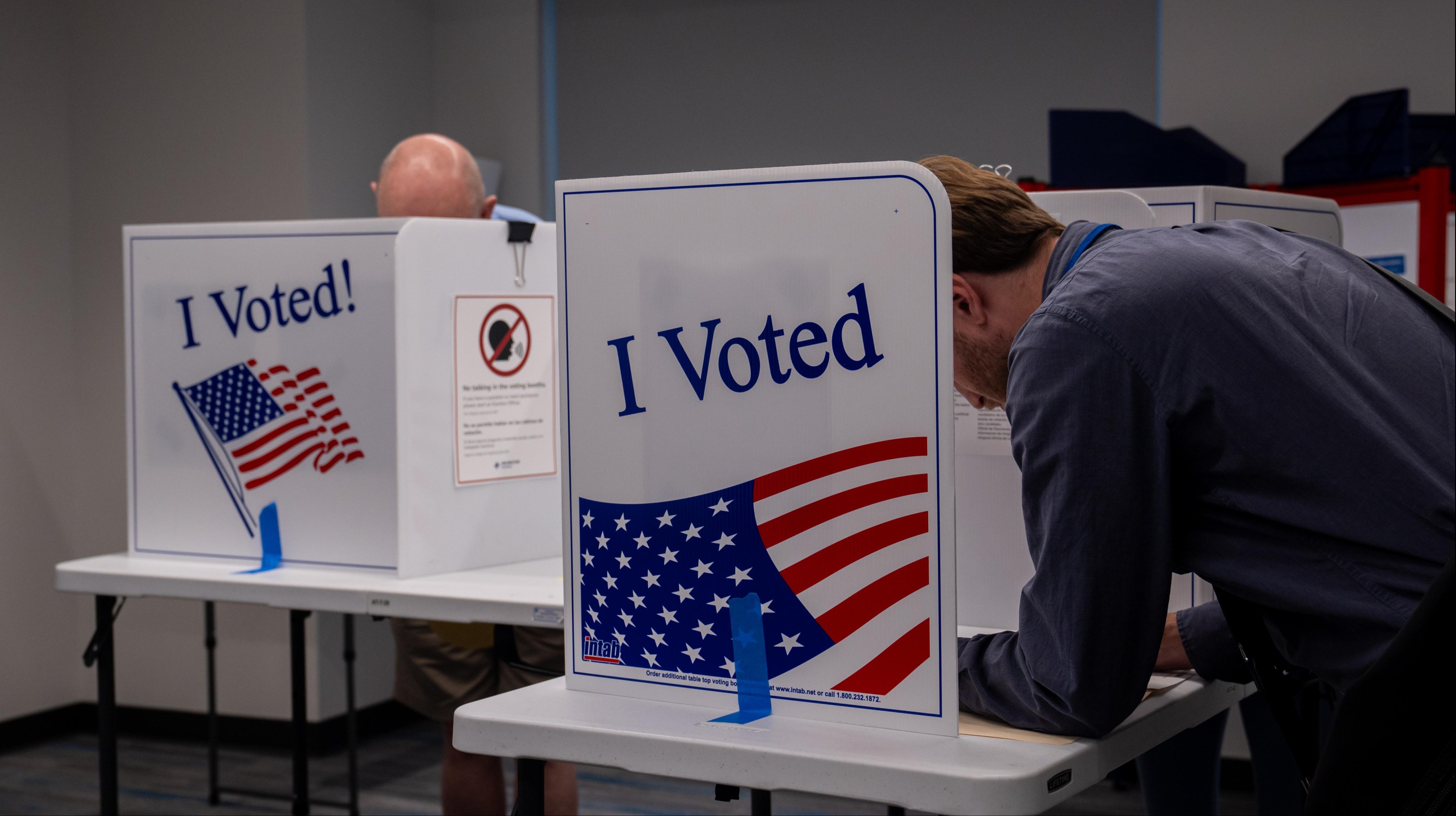
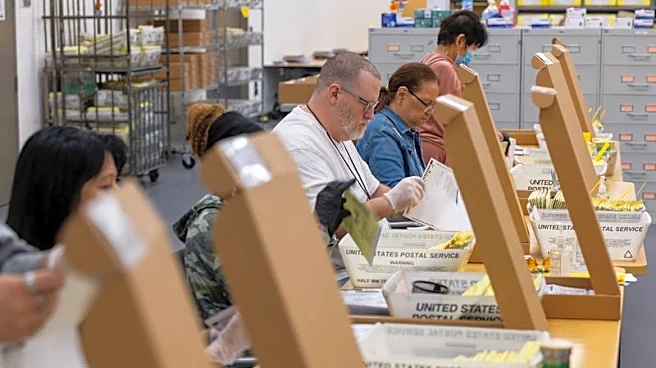
Observation isn't limited to just one moment. The process is observable from start to finish. This begins at the polling places on Election Day, where watchers can monitor the voting process itself. After the polls close, observers can follow the secure transport of sealed ballot boxes. The main event, of course, is the count. Whether it happens at a single polling location or a central counting center, authorized observers have the right to be there. They are permitted to be close enough to see the ballots and witness how votes are tallied, ensuring that every valid vote is counted accurately. This access extends through the entire canvassing and auditing process, providing a continuous line of sight from the moment a ballot is cast until the final results are certified.
Why This Matters for Voters
The presence of observers is more than just a procedural formality; it's a cornerstone of a democratic election. By allowing representatives from different political parties and nonpartisan groups to watch the process, the system builds in checks and balances. It helps prevent errors and deters potential misconduct. For the average voter, this transparent process provides assurance that their ballot is being handled and counted correctly, according to the law. In a national climate where election procedures are often questioned, D.C.'s clear and inclusive observer rules serve as a critical tool for reinforcing public trust. The system is designed to prove its own integrity, demonstrating that the final count is accurate, secure, and worthy of the public's confidence.