




The Short Answer: Another Election
If you’re picturing a dramatic coin toss or drawing straws on the steps of the state capitol, you’ll be disappointed. Missouri law is far more straightforward and, frankly, more democratic. According to Missouri Revised Statutes § 115.517, if two or more candidates for a federal office—like U.S. Senator or a member of the House of Representatives—receive an equal number of votes, the governor must order a special election. This means the decision goes back to the people. The governor issues a proclamation announcing the tie and sets a date for a new election between only the deadlocked candidates. There’s no game of chance involved; the ultimate tie-breaker is another round of voting.
The Legal Nitty-Gritty
The specific statute, RSMo § 115.517, outlines the process
clearly. Once election results are certified and a tie is officially declared for a federal office, the governor is legally mandated to step in. The proclamation for the special election specifies the names of the tied candidates and the date of the new contest. This new election is then conducted just like any other, with local election authorities managing the process. It's a robust system designed to ensure the winner has a clear mandate from the electorate, even if it takes a second try. Interestingly, the law does offer a single alternative: if both tied candidates agree, they can opt to have the winner determined by lot (a random drawing) instead of holding a special election. However, this requires mutual consent, and it’s hard to imagine a modern candidate for federal office leaving their fate to pure chance.
But First, Recounts
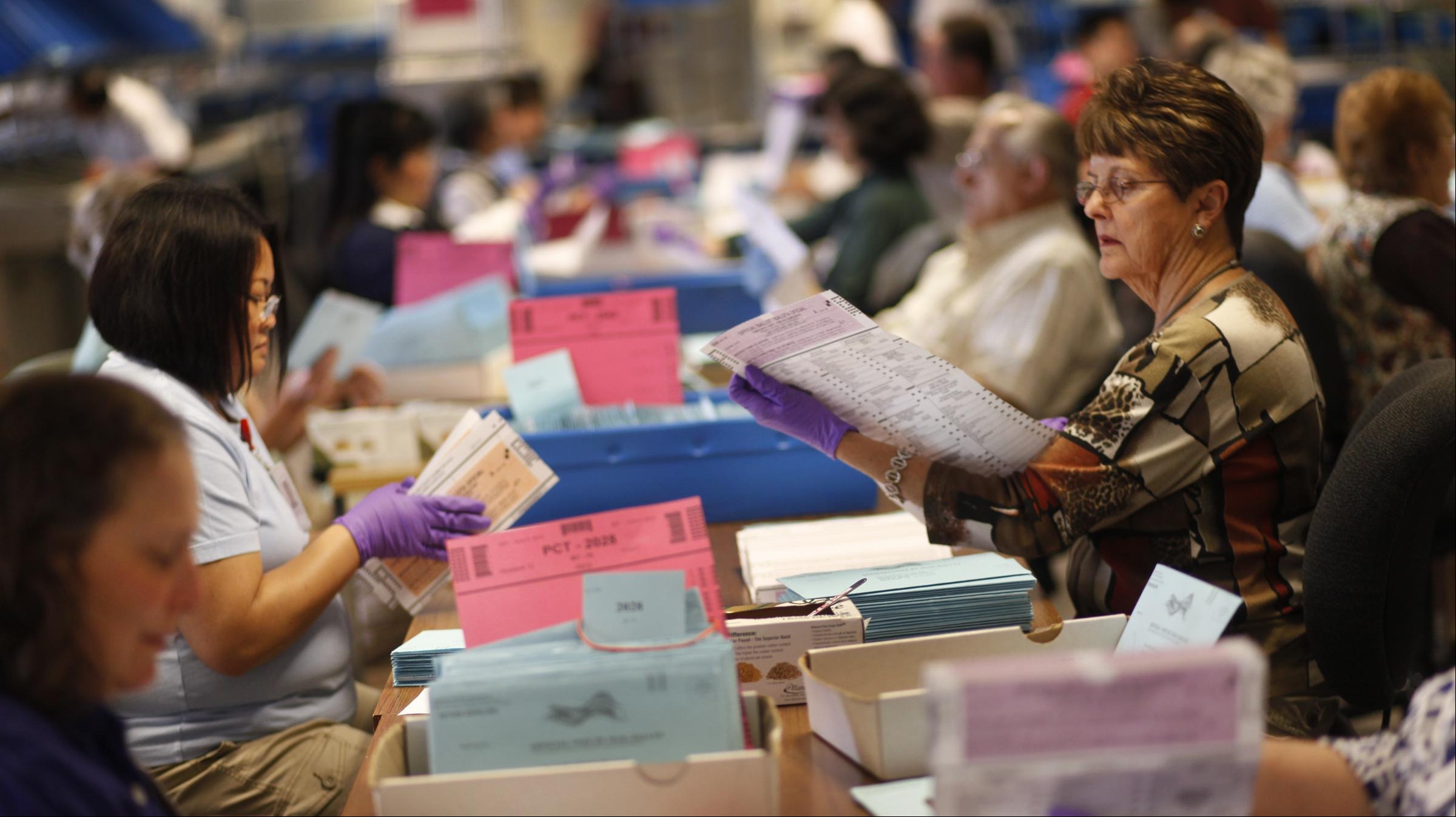
A tie is only officially declared after an exhaustive process. In any modern election with hundreds of thousands or even millions of ballots cast, a perfect tie on the first count is a massive statistical long shot. Before the state even considers its tie-breaking procedures, any exceptionally close race would first go through a series of recounts. Missouri law provides for automatic recounts when the margin of victory is less than one-half of one percent of the total votes cast. A tied election, with a margin of zero, would automatically trigger this process. Election officials would meticulously re-canvass the votes to ensure every ballot was counted correctly. Only after all recounts are completed and the results still show a perfect deadlock would the tie-breaking statute come into play.
Has This Ever Actually Happened?
While tied elections are exceptionally rare at the federal level, they are not unheard of in local races across the country. However, a search of Missouri's political history doesn't reveal any instances of a U.S. Senate or House race ending in a certified tie that required a special election. The sheer volume of votes makes a tie a statistical improbability. A race decided by a handful of votes is dramatic; a race decided by zero votes is a historic anomaly. While the legal framework is solidly in place, it remains a contingency plan for a scenario that, so far, has remained hypothetical for Missouri's congressional and senatorial contests.
How Missouri's Method Stacks Up
Missouri’s approach—prioritizing a new election—stands in contrast to the methods used in many other states, especially for state and local offices. Across the United States, about half of all states have laws on the books that resolve ties with a game of chance. This can mean drawing lots, flipping a coin, or pulling a name from a hat. While these methods are certainly faster and cheaper, they remove voters from the final decision. A dozen other states, like Missouri, resolve ties for state legislative seats with a new election. By opting for a special election for its federal races, Missouri affirms the principle that the power to elect should rest with the voters, not with random luck. It's a system built on democratic principle, even if it's one the state hopefully never has to use.