

The First Step: Municipal Clerks
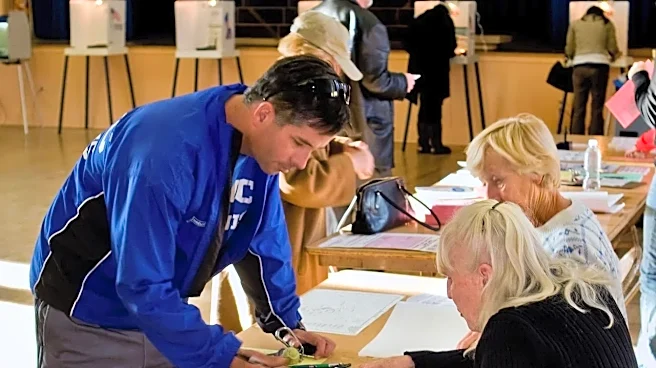
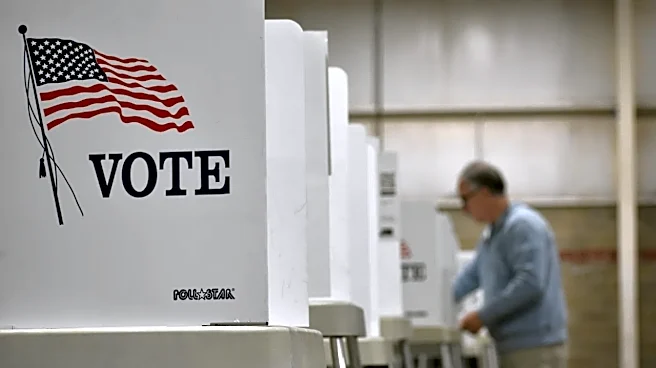
The certification process begins at the most local level. On election night, after polls close at 8 p.m., municipal clerks in every town and city across Maine are responsible for counting all the ballots, including absentee ballots. They have a tight deadline: according to state law, these local officials must submit their initial election results to Maine's Secretary of State within two days after the election. This initial phase is about collecting the raw data from over 500 municipalities and transmitting it to a central authority for compilation. For races that use ranked-choice voting, if no candidate secures a majority of first-choice votes, this initial report triggers a separate tabulation process to determine the winner.
The Secretary of State's Official Tabulation
Once all municipal
results are submitted, the Elections Division within the Secretary of State's office takes over. Their job is to aggregate the returns from every town and city to create a complete, statewide picture of the vote. This isn't just a simple copy-and-paste job; it's a formal review known as the canvass. Officials check the returns for consistency and accuracy before compiling them into a final tabulation. Maine law gives the Secretary of State a clear deadline for this crucial step: they must complete the tabulation of election returns within 20 days of the election. This period also allows time for candidates to request recounts, which must be filed within five business days of the election for most races.
The Governor’s Proclamation
The final stage of the process involves two of the state's highest offices. The Secretary of State submits the certified copy of the final vote tabulation to the Governor. The Governor’s role is to formally accept the results and make them official. Within a 'reasonable time' after the election, the Governor signs an election certificate for each person elected to office. This act serves as the final, official declaration of the winners. The results are considered final on the date the certified tabulation is submitted to the Governor, unless a recount is still pending. For federal elections, there is also a federal 'safe harbor' deadline that states aim to meet, which typically falls in early December, ensuring Congress will accept the certified results without dispute.
A System of Checks and Balances
The entire process, from the local clerk's initial count to the Governor's signature, is a chain of custody for the vote. Maine law deliberately separates the duties among different officials and offices. The municipal clerks handle the local count. The Secretary of State, who is elected by the Legislature, is responsible for the statewide tabulation and technical certification. Finally, the Governor, who is independently elected by the people, provides the ultimate proclamation. This separation of powers creates a system of checks and balances, ensuring that no single person or office has unilateral control over the outcome of an election. The specific, staggered deadlines provide a predictable and transparent timeline for voters to follow as the results are finalized.