



The Difference Between 'Called' and 'Certified'
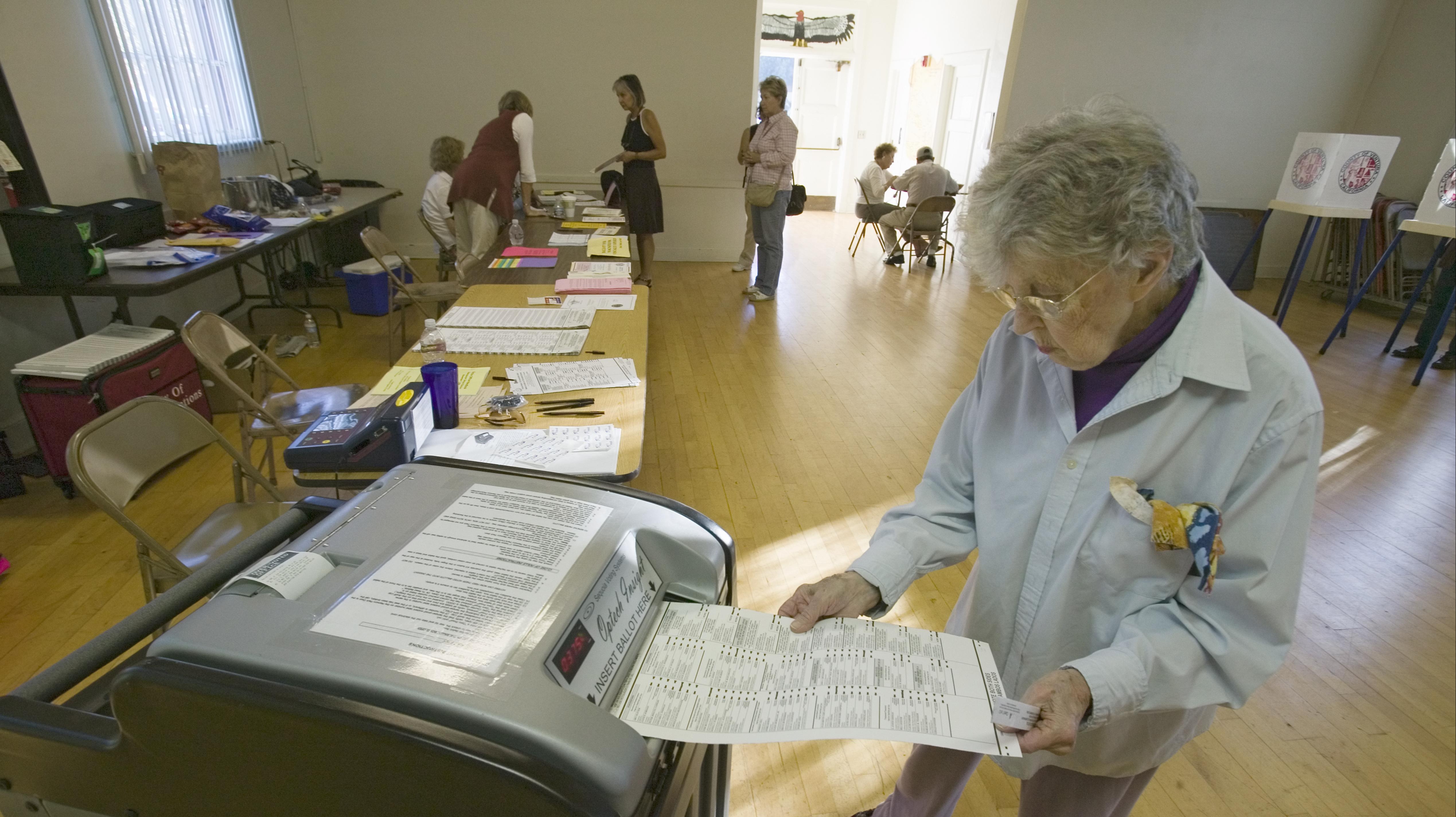
First, let's clear up a common point of confusion. The election night results you see are unofficial. They are based on the initial tabulation of ballots cast on Election Day and early in-person votes. News organizations 'call' races based on these numbers and statistical models, but the state has not yet declared an official winner. The official process, known as the canvass, is a far more detailed and legally mandated procedure conducted by bipartisan county boards of elections to ensure every valid vote is counted accurately. This is where the unofficial tally becomes the final, certified result.
What 'The Canvass' Actually Entails
The canvass is essentially a systematic review and reconciliation of the election. It’s not a simple recount, but a comprehensive accounting process.
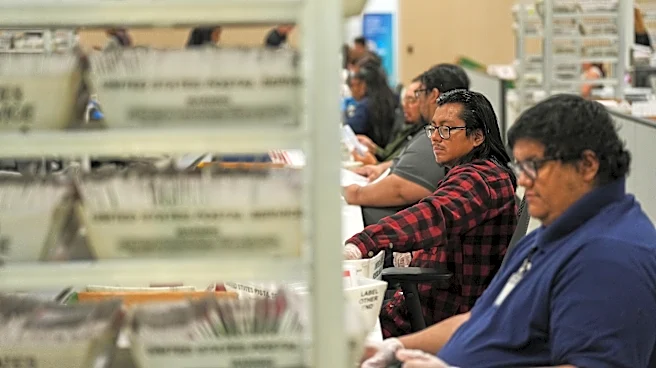
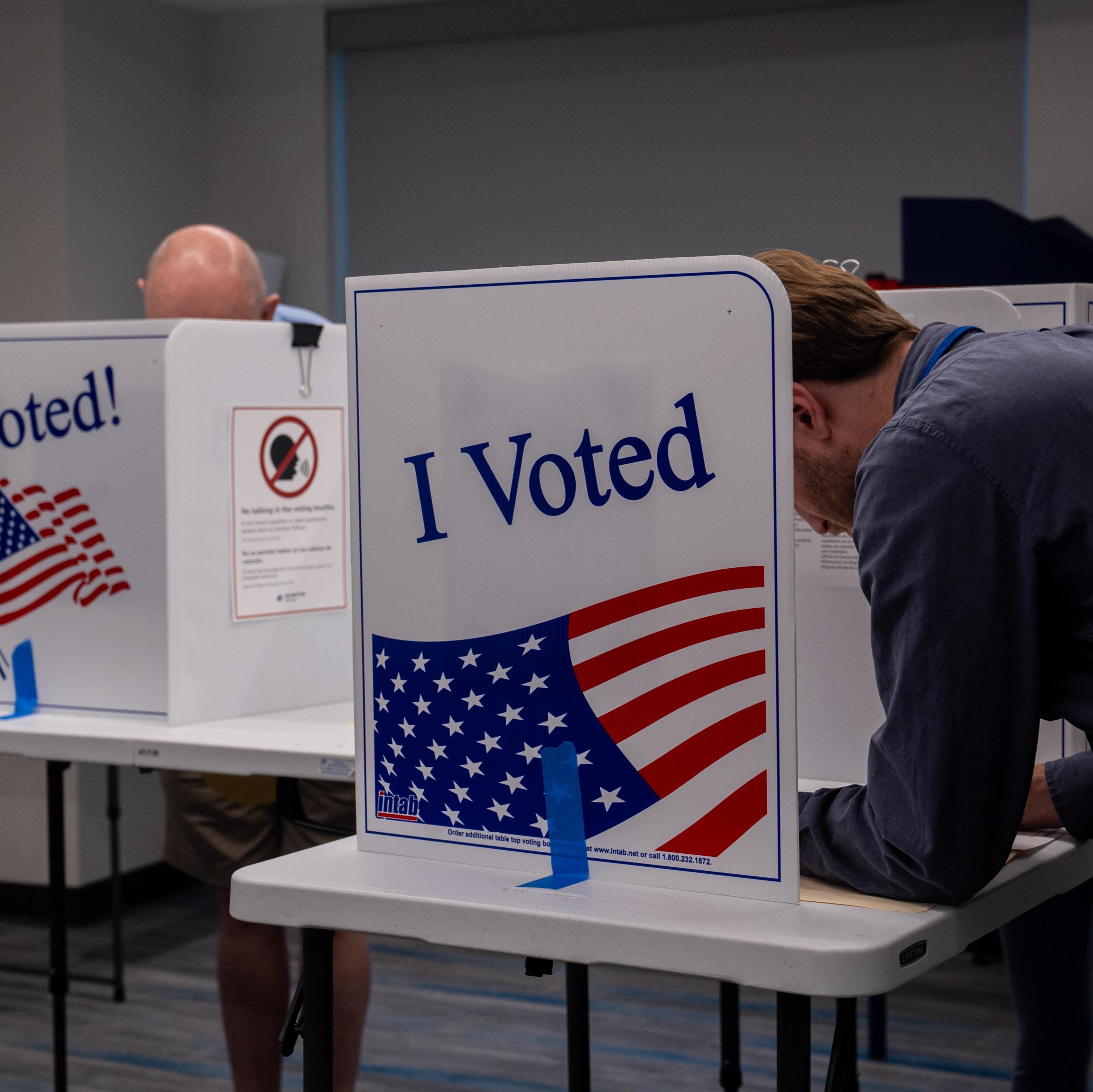
During this period, election officials handle several crucial tasks that can't be rushed. They process and verify provisional ballots, which are cast when a voter's eligibility is in question. They also count valid absentee and military ballots that, by law, can arrive after Election Day as long as they are postmarked on time. In Ohio, for example, mail-in ballots from overseas and military voters can be counted if they arrive up to four days after the election. Officials also reconcile the number of ballots cast with the number of voters who signed in at polling locations, ensuring the books balance.
Ohio's Official Canvass Timeline
Ohio law provides a specific, multi-week window for this process. County boards of elections cannot even begin their official canvass until at least five days after the election. They must begin no later than the 15th day and must complete their work no later than the 21st day after the election. This gives them a window of roughly three weeks to meticulously work through all ballots, address any discrepancies, and finalize their counts. Once the county boards complete their canvass, they declare the official results for local races and send their certified abstracts for statewide and federal races to the Ohio Secretary of State. The Secretary of State then has an additional period to review and certify the final statewide results.
Patience Is a Virtue for Accuracy
So why does it take this long? The timeline is a feature, not a bug, of a democratic system built on accuracy and integrity. The built-in delays are designed to ensure that every legally cast vote is counted, from a soldier serving overseas to a voter who had to cast a provisional ballot. The process is bipartisan by design, with representatives from different political parties observing the canvass to ensure fairness. After the canvass is complete, Ohio then conducts post-election audits, where results from randomly selected contests are reviewed to confirm the accuracy of the vote-counting equipment. This multi-layered approach of canvassing, certification, and auditing provides confidence that the final result reflects the true will of the voters, even if it takes a few weeks to get there.