





The 1% Margin of Victory Rule
The single most important factor that triggers an automatic recount in the District of Columbia is the margin of victory. If the difference between the winning candidate and the next closest candidate is less than 1% of the total votes cast for that office, the D.C. Board of Elections is required to conduct a recount. This rule ensures that when an election is statistically razor-thin, a second look is automatically taken to confirm the outcome's accuracy, without any candidate needing to request it. This process is funded by the government, removing any financial barrier to verifying a close result.
Which Elections Are Covered?
This automatic recount provision has a broad scope and applies to most major elections held within the District. It covers races for President and Vice
President, Delegate to the House of Representatives, Mayor, Attorney General, and Chairman and members of the D.C. Council. It also applies to elections for the State Board of Education as well as city-wide initiatives, referendums, and recall measures. This wide application ensures that the most consequential contests are subject to this important verification process when the results are extremely close.
How the Recount Process Unfolds
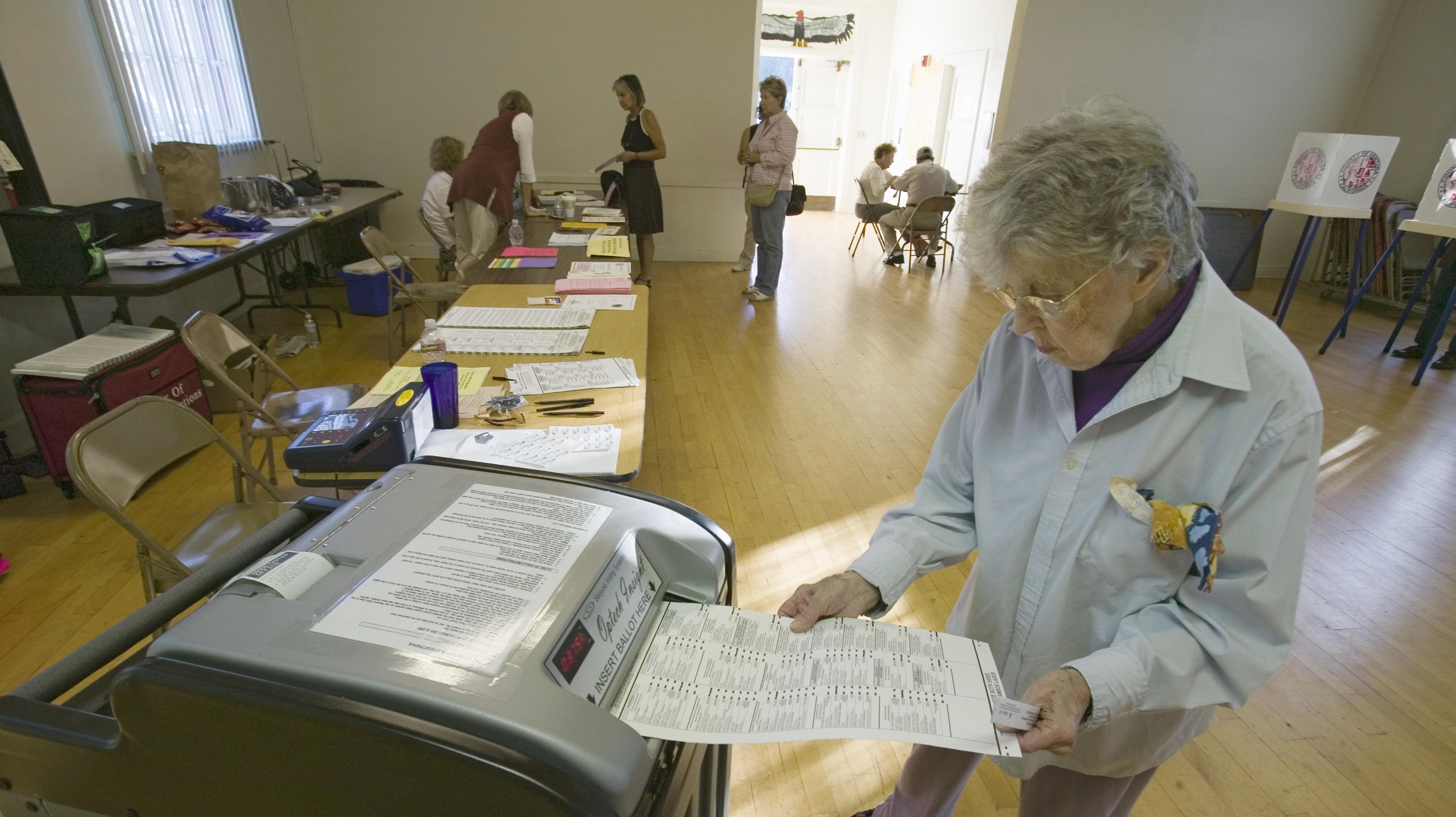
Once an automatic recount is triggered, the D.C. Board of Elections manages the entire process. The primary method involves re-scanning the paper ballots with tabulation machines to verify the count. However, the Board may order a manual, hand-recount of the ballots under specific circumstances. This can happen if there is evidence of a machine malfunction, if it's deemed necessary to ascertain the correct vote totals, or if a disproportionate number of undervotes or overvotes are detected in a particular precinct. The process is designed to be a thorough and transparent re-tabulation of the votes to ensure the final, certified result is correct.
Automatic vs. Requested Recounts
It's important to distinguish between an automatic recount and a requested one. While an automatic recount is triggered by the slim 1% margin and paid for by the District, candidates also have the option to request a recount even if the margin is larger. A candidate, or in some cases a group of voters, can petition the Board of Elections for a recount within seven days after the election results are certified. In this scenario, the petitioner must specify which precincts they want recounted and typically must bear the cost of the process unless the recount ultimately changes the outcome of the election.
Other Triggers for a Recount
While the close vote margin is the most common trigger, it isn't the only one. D.C. law also allows for recounts to be initiated in other ways. For instance, the Board of Elections can initiate a recount on its own if it discovers evidence of administrative errors or machine malfunctions during the vote-counting process. Additionally, the District's post-election audit procedures can, under certain circumstances, escalate into a full recount if significant discrepancies are found. These additional mechanisms provide further layers of security to protect the integrity of the electoral process.