


The Short Answer: Yes, But They're Called 'Challengers'
Yes, Minnesota law allows designated individuals to be present during voting and until the vote count is complete and results are declared. However, the state makes a key distinction: it does not officially use the term 'poll watcher'. Instead, Minnesota law authorizes 'challengers'. This isn't just a semantic difference; it defines their specific and limited role. A challenger's primary function is not simply to observe but to formally contest a specific voter's eligibility if they have direct, personal knowledge that the person is ineligible to vote. Suspicion or a hunch is not enough. This framework is designed to permit oversight while preventing voter intimidation or disruption of the process.
Who Gets to Be a Challenger?
Becoming a challenger isn't an informal process.
They must be officially appointed in writing. For partisan elections, the chair of each major political party can appoint one challenger per precinct. For nonpartisan races, each nonpartisan candidate can do the same. There's even a provision for ballot questions: if at least 25 eligible voters sign a petition, a local official can appoint a challenger to represent that interest. A key requirement is that all challengers must be Minnesota residents, though they do not have to live in the specific precinct where they serve. To ensure impartiality from officials, an election judge cannot simultaneously serve as a challenger.
What Challengers Can (and Cannot) Do
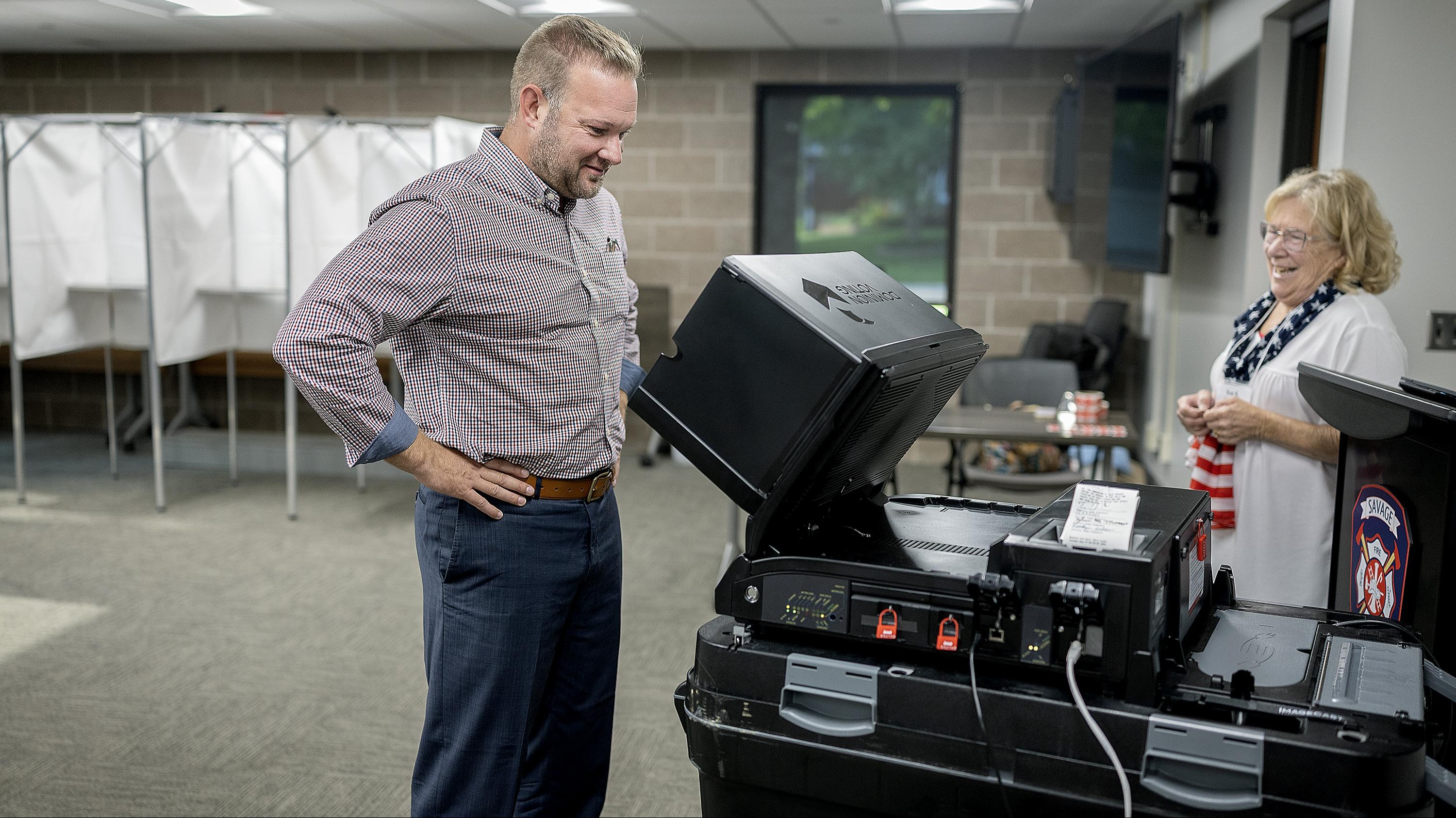
A challenger's authority is narrowly defined. They are permitted to be inside the polling place during voting hours and can stay until all the votes from that location are counted. Their one and only active role is to challenge a voter's eligibility based on personal knowledge—for instance, knowing for a fact that a person does not meet the residency requirements or is not of legal voting age. They cannot simply 'observe' in a passive sense like a 'poll watcher' in other states. Prohibited actions include speaking to voters, handling ballots, interrupting election judges, or otherwise interfering with the voting or counting process. Only one challenger per party, candidate, or ballot question is allowed in a polling place at any given time to prevent crowding and potential intimidation.
Watching the Absentee Ballot Count
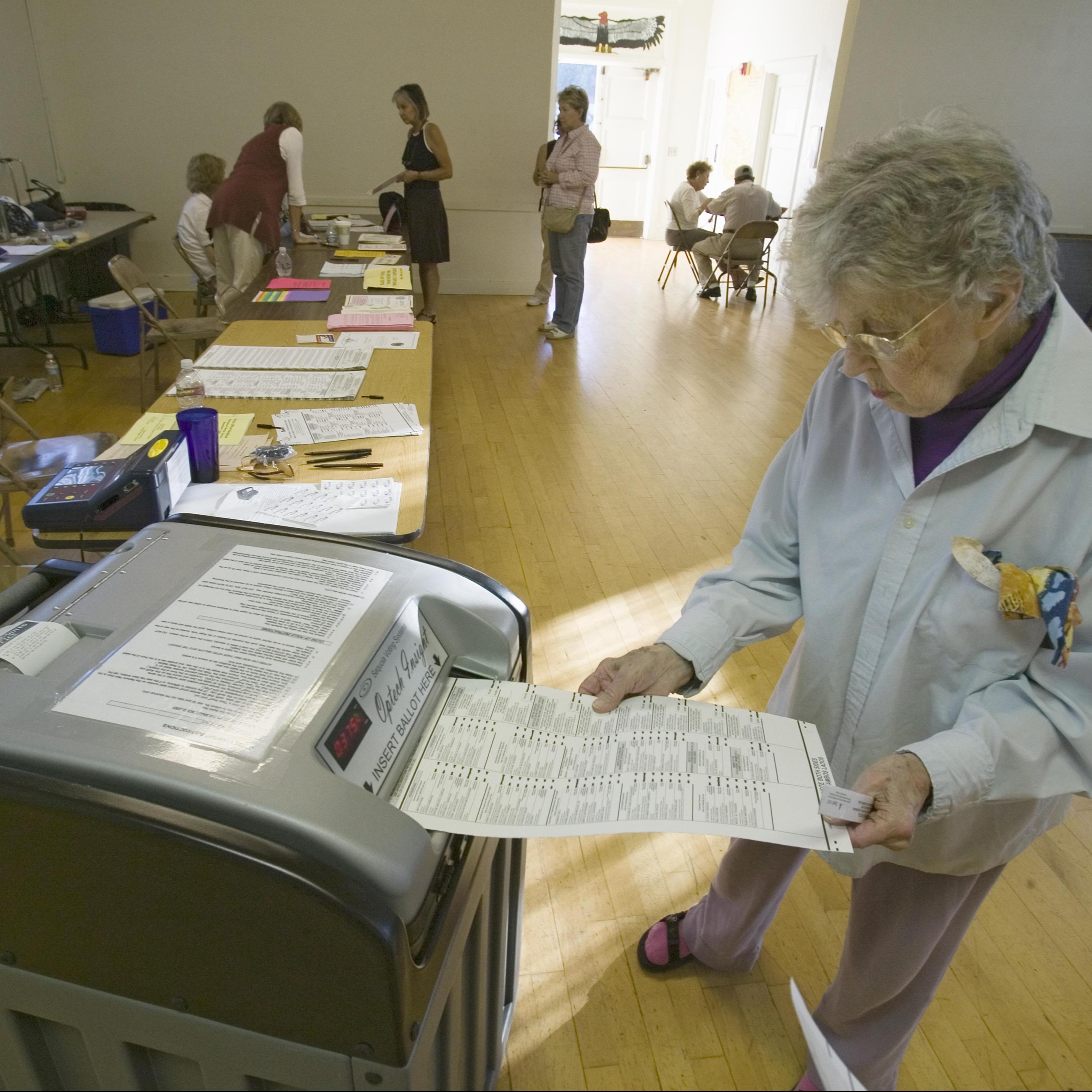
The process for absentee and mail-in ballots is also designed for transparency. Counting can begin up to 18 days before Election Day, but no results are reported until after polls close. The processing of these ballots is handled by a bipartisan absentee ballot board, which includes trained election judges. This board verifies signatures and ensures all rules were followed before a ballot is accepted. The locations where ballots are processed and counted are required to be open for public observation. This allows for oversight of the process, from the opening of ballot envelopes to the final tabulation, ensuring the integrity of votes cast before Election Day.
The Purpose Behind the Rules
Minnesota's specific system of 'challengers' rather than 'watchers' is a deliberate choice aimed at striking a critical balance. The goal is to create a transparent process that builds public confidence and allows for accountability. By having designated representatives from parties and campaigns present, the system provides an avenue for legitimate concerns to be raised through a formal, documented process. At the same time, the strict limitations—requiring personal knowledge for a challenge and prohibiting interference—are designed to protect the rights of individual voters and ensure that election officials can conduct their work efficiently and without harassment or disruption. This structure aims to prove the system is fair while safeguarding it from being derailed.