




More Than a Recount
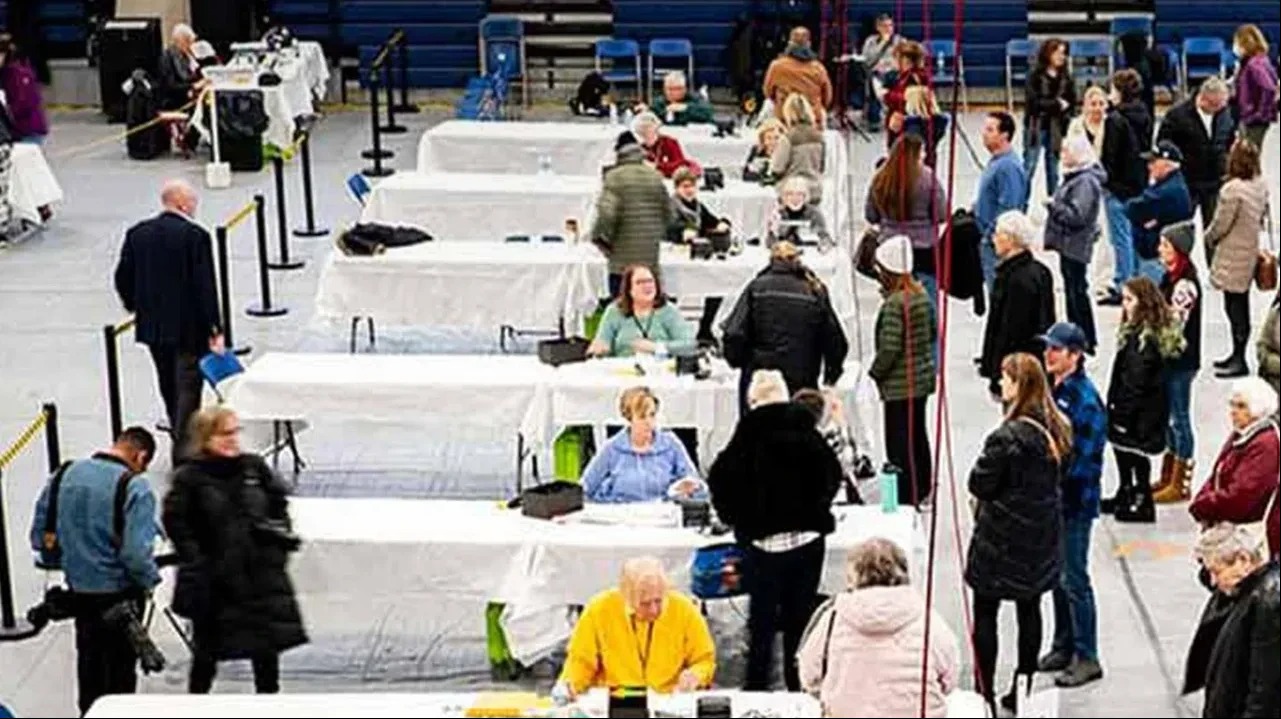
First, let's clear up a common misconception. A canvass is not just a simple recount of votes. It's the official, legally mandated process of ensuring every valid vote is counted accurately. Think of it as a comprehensive audit. Election officials reconcile the poll books from every precinct, review all absentee and questioned ballots, and verify that the number of ballots cast matches the number of voters who signed in. This meticulous procedure is designed to guarantee the integrity of the results. It involves bipartisan review boards that examine ballot envelopes, check voter registration details, and make determinations on ballots that may have issues. The entire process is methodical to ensure accuracy above all else.
The 15-Day Window
So, what’s the official
timeline? Alaska law provides a generous window for completing its canvass, and a key deadline is 15 days after a general election. This is because the state accepts absentee ballots postmarked on or before Election Day for up to 15 days if they are coming from overseas and up to 10 days if mailed from within the U.S. Because of this, no final certification can happen before that 15-day mark passes, as crucial votes are still legally in transit. This lengthy period is an explicit recognition of the state’s unique challenges and a commitment to enfranchising every voter, no matter how remote.
Why The Last Frontier Needs More Time
Alaska's vast and challenging geography is a primary reason for its extended timeline. The state is more than twice the size of Texas, but with a fraction of the population scattered across immense distances. Many communities are not on the road system and are accessible only by plane or boat. Getting ballots from these remote areas back to regional election offices simply takes time. Bad weather, a common occurrence, can add further delays. This logistical reality is baked into the state's election laws. Unlike more compact states where ballots can be centralized overnight, Alaska's system is built to accommodate the physical journey that many ballots must take.
The Absentee and Questioned Ballot Review
A significant part of the canvass period is dedicated to processing absentee and questioned ballots. Alaska has a high rate of absentee voting, and state law dictates that officials cannot even begin scanning these ballots before election night. Local review boards meet in the days following the election to scrutinize each absentee ballot envelope, verifying signatures and voter eligibility. Similarly, 'questioned ballots'—those cast by voters whose eligibility couldn't be confirmed at the polls—are researched and reviewed. This happens in a transparent manner, with observers from political parties able to monitor the process and even challenge decisions.
The State Review Board and Final Certification
After all absentee and questioned ballots are reviewed at the local level, the process moves to the state level. The State Review Board, a bipartisan body, conducts the final official canvass. They compile the results from all 40 state house districts and perform the final checks. For the 2024 general election, the target date for certifying the election is November 30th. Only after this board completes its work and certifies the results are the election outcomes considered official. It’s a deliberately layered process designed to build public confidence by ensuring every valid vote has been securely and accurately counted, from the urban centers of Anchorage to the most distant Aleutian villages.