
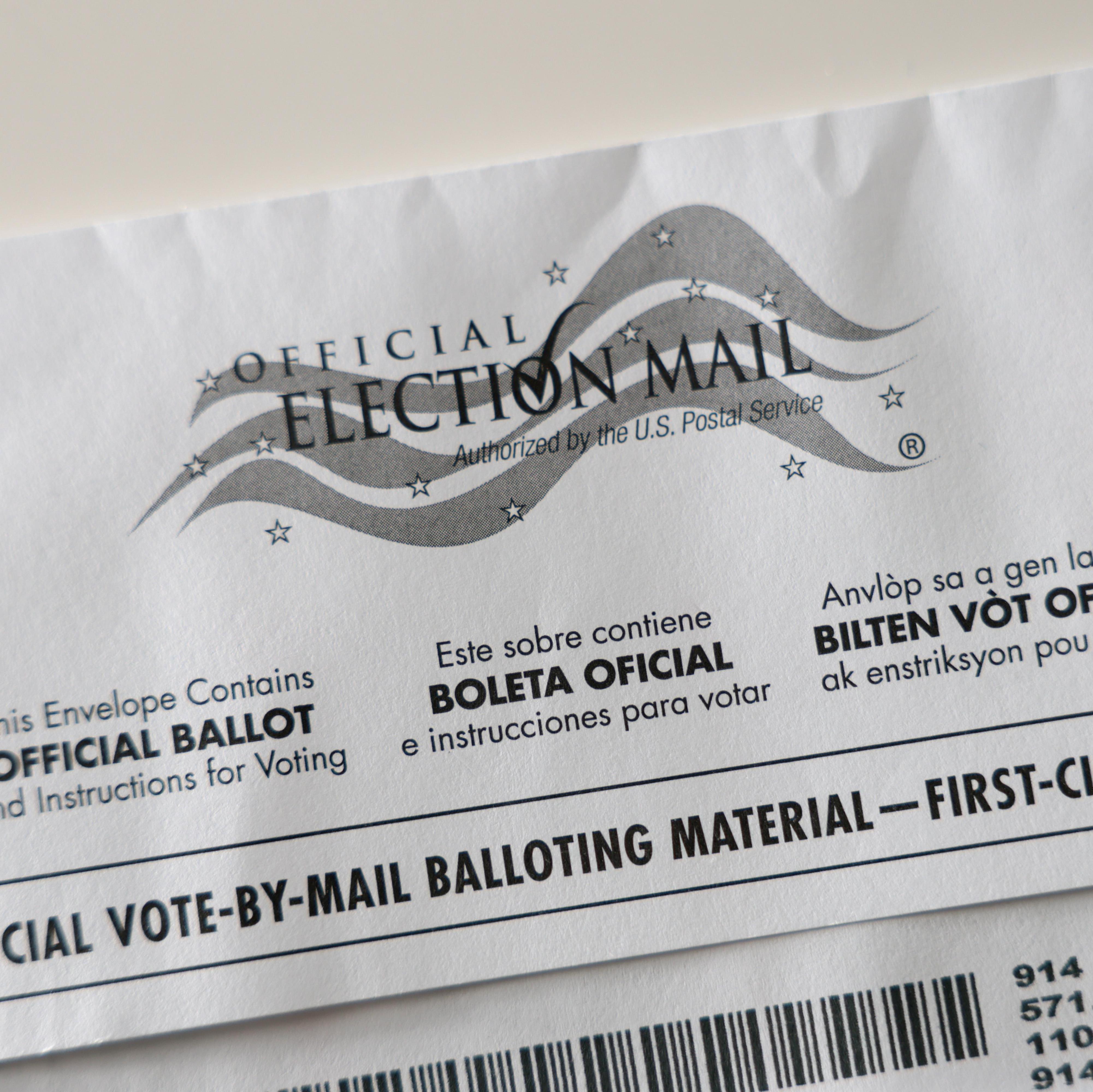




No Automatic Recounts
First, it's important to understand that New Jersey does not have automatic recounts, regardless of how close the margin of victory is. Unlike some states that automatically trigger a new count if the results fall within a certain percentage, in the Garden State, the process must be initiated by an eligible party. If no one asks for a recount, the certified results stand. This means the responsibility falls on candidates or voters to actively seek a review if they believe an error has occurred.
Who Can Request a Recount?
The law is specific about who has the standing to ask for a recount. Any candidate in an election can file a petition if they have reason to believe an error was made in the vote count. For public questions or ballot initiatives, a group of at least ten
registered voters must come together to file the request. In either case, the request isn't a casual one; it's a formal legal process that begins with a filing in Superior Court.
The Clock is Ticking: Filing the Petition
Timing is critical. A candidate or group of voters has a very narrow window to act. An application for a recount must be filed with a Superior Court judge in the relevant county within a specific number of days following the official certification of the election results. The petitioner must state that they believe an error has been made and specify the election districts they want recounted. This is not a broad, statewide fishing expedition; the request must target specific districts where errors are suspected.
The 'Recheck' vs. The 'Recount'
New Jersey law makes a distinction between a 'recheck' and a 'recount.' A recheck primarily deals with voting machines. It's a review to ensure the vote totals recorded by the machines match the numbers reported by election officials. A recount is a more intensive process. While a machine recheck is often the first step, a full recount can involve a manual, hands-on inspection of paper ballots, such as mail-in or provisional ballots. The court has the authority to decide the method, but the goal is to conduct a thorough review as requested.
Who Foots the Bill?
Requesting a recount isn't free. The person or group applying for the recount must deposit money with the court to cover the costs, with a fee assessed for each district to be recounted, not to exceed $25 per district. This deposit acts as security. If the recount does not change the outcome of the election, the petitioner forfeits the deposit to cover the expenses. However, if the recount finds errors that alter the election's result, or if the vote totals in a district change by more than 10 votes or 10% (whichever is greater), the petitioner gets their money back, and the state or county pays the cost.
The Process Itself
Once a judge orders a recount, it is conducted publicly under the direction of the county board of elections. Representatives for the candidates and political parties have the right to be present and observe the entire process, ensuring transparency. The board of elections may be required to subpoena election workers from the specified districts to witness the opening of ballot boxes and provide testimony. The judge has the final say on any disputed questions that the board of elections cannot resolve. This court oversight ensures the process is orderly, fair, and follows the letter of the law.