



The Short Answer: Yes, But They're Called 'Poll Watchers'
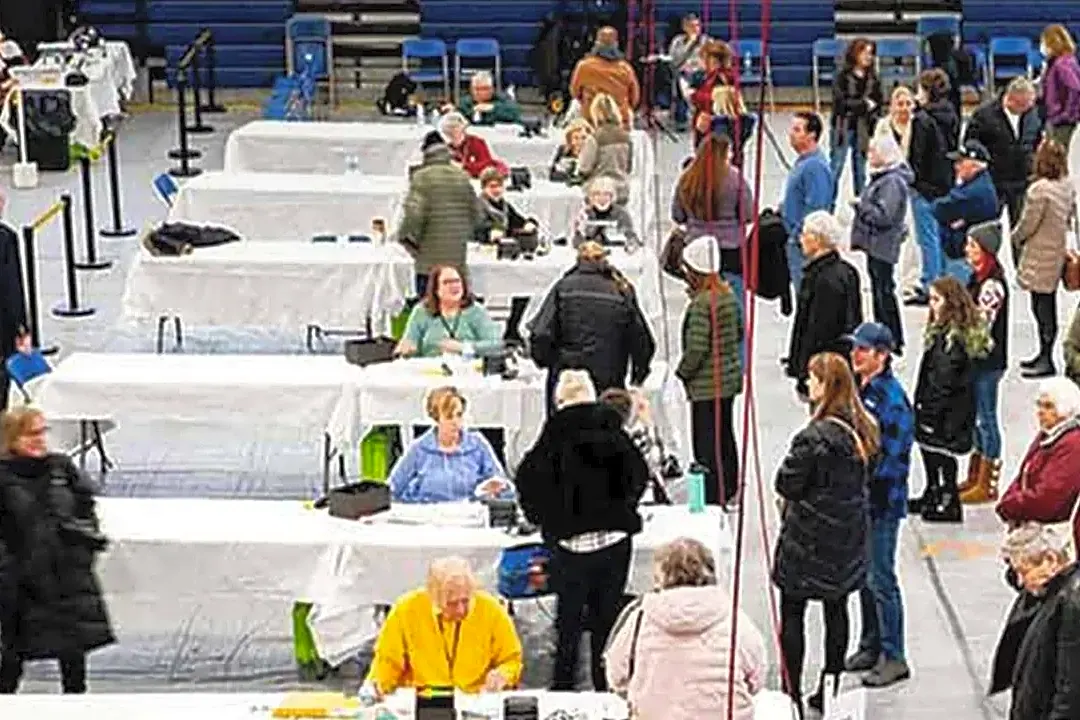
To get straight to the point, Tennessee law absolutely permits observation of the voting and counting process. However, these observers are officially known as 'poll watchers'. This isn't just a semantic difference; it's a specific, legally defined role that comes with a formal appointment process and a clear set of responsibilities and restrictions. The system is designed to allow for public oversight while ensuring that election officials can do their jobs without interference. Poll watchers can be present during all proceedings at a polling place, from the opening of the polls to the final counting of the ballots. This includes inspecting ballots as they are called and counted, as well as reviewing tally sheets.
Who Is Eligible to Be a Poll Watcher?
You can't just walk in off
the street and declare yourself a poll watcher. The appointment process is specific. Watchers can be appointed by recognized political parties, candidates in an election, and certain citizen organizations. For example, each political party can typically appoint up to two watchers per polling place. Independent candidates can also appoint their own watchers. To be eligible, a person must be a resident of Tennessee and at least 17 years old by Election Day. There are a few key disqualifiers: a candidate on the ballot cannot serve as a watcher, nor can their spouse. The names of all appointed watchers must be submitted in writing to the local county election commission by a specific deadline, usually a few days before the election.
What Can a Poll Watcher Actually Do?
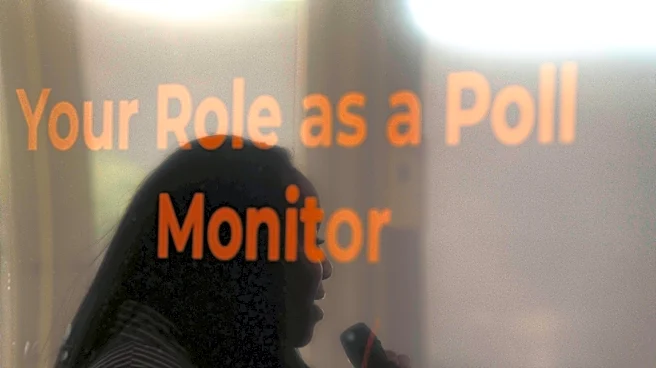
The primary role of a poll watcher is to observe. They are the eyes and ears for their appointing party or candidate, ensuring that election laws are followed. Their authorized activities include watching and inspecting all duties performed by election officials. They can inspect ballots and tally sheets during the counting process. If a watcher believes a voter is not eligible, they have the right to challenge that voter, though this is done through an election official, not by confronting the voter directly. Similarly, if they witness any irregularity in the conduct of the election, they can formally present a protest to the officer of elections or the county election commission, who must then rule on the issue. Upon arrival, they must present their appointment credentials and sign a register.
What Are the Rules and Limitations?
The rules for what poll watchers cannot do are just as important as the rules for what they can. The overarching principle is non-interference. Watchers are prohibited from interfering with a voter who is casting their ballot or impeding election officials in any way. They are not allowed to talk to voters, observe assistance given to a voter who is entitled to it, or otherwise disrupt the process. During the counting of absentee ballots, watchers are often restricted from leaving the room once the count has begun and are prohibited from having electronic devices like cell phones that could transmit results prematurely. Law enforcement officers are also restricted, generally not allowed within ten feet of a polling place entrance unless requested by election officials. These limitations are in place to protect voter privacy and maintain an orderly and secure election environment.
The 'Why' Behind the System
Tennessee's poll watcher system, like those in other states, is a careful balancing act. On one hand, it promotes transparency and public confidence. By allowing representatives of different political interests to observe the process firsthand, it helps demystify what happens behind the scenes and provides a check on the system. It creates a record of observation that can be used to either verify a smooth process or flag legitimate issues. On the other hand, the strict rules and appointment process are designed to prevent the system from being abused. The goal is to prevent voter intimidation, disruption of the count, and partisan chaos. By professionalizing the role of the observer and giving election officials clear authority to manage them, the state aims to facilitate oversight without sacrificing the security and efficiency of the election itself.