



The First Step: The County Canvassing Board
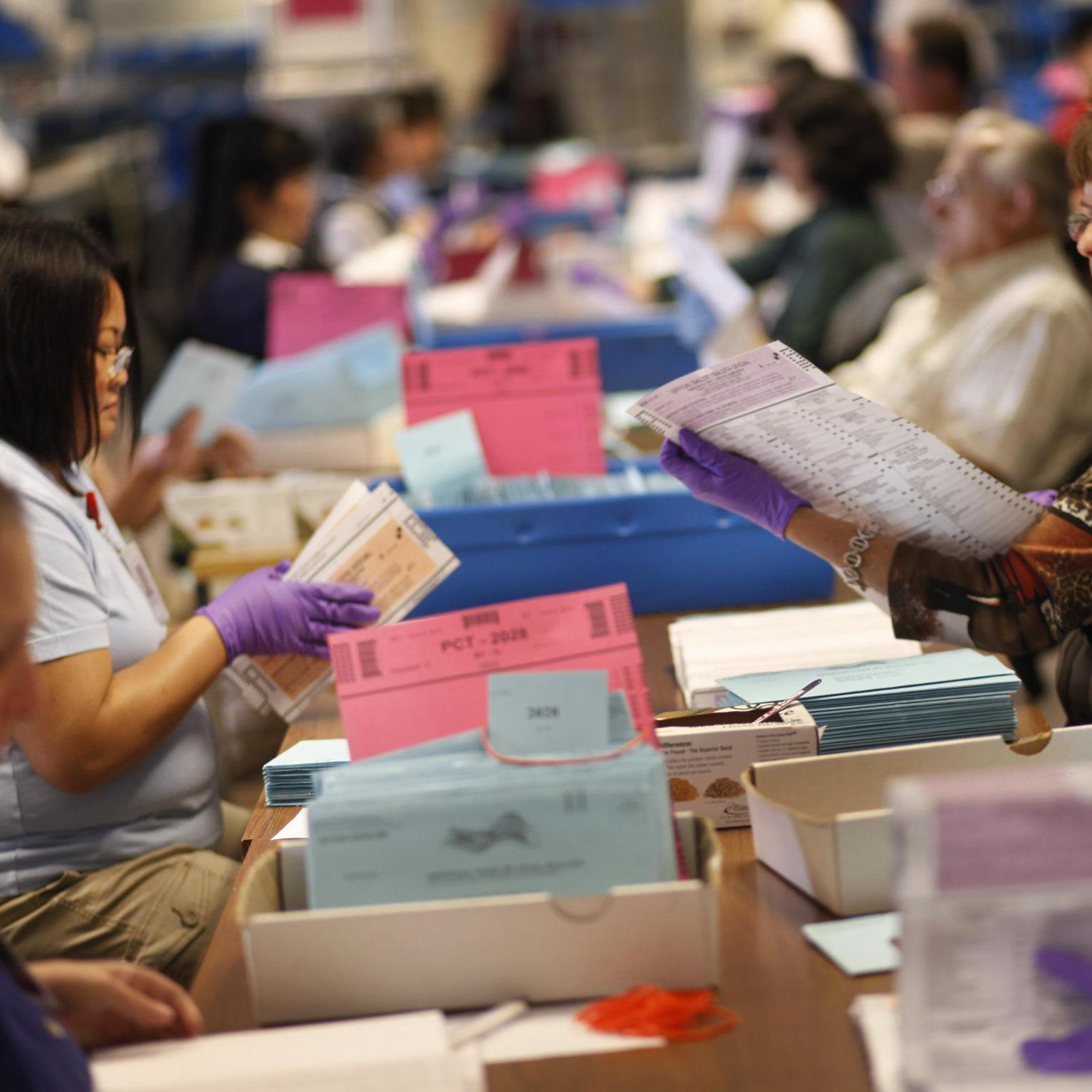
The certification process in North Dakota begins at the local level. After Election Day, each of the state's 53 counties convenes a County Canvassing Board. This group is responsible for reviewing and verifying all the votes cast within that county, including absentee ballots and those from polling places. The board is a bipartisan body, typically composed of the county auditor, the county recorder, the chair of the board of county commissioners, and representatives from the two major political parties. This local review ensures the initial vote count is accurate before the numbers are sent up the chain. Legally, the county board must certify its results and send a certified abstract of the votes to the Secretary of State before 4 p.m. on the 13th
day after the election.
The Statewide Check: The State Canvassing Board
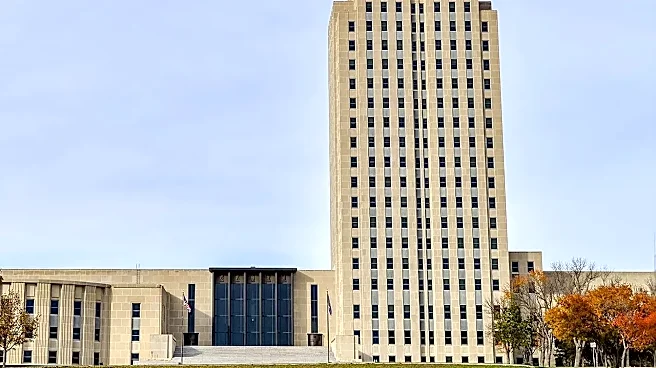
Once all 53 counties have submitted their certified results, the focus shifts to the state capital. The North Dakota Secretary of State convenes the State Canvassing Board. This board doesn't recount votes; its job is to compile and review the certified totals from every county to produce a final, statewide result. Like its county counterpart, this board is also a bipartisan panel. Its members include the Secretary of State, the Clerk of the Supreme Court, the State Treasurer, and the state chairs of the two political parties that received the most votes in the last gubernatorial election. This structure provides a crucial layer of checks and balances at the state level, ensuring that representatives from both major parties oversee the final certification.
The Final Dates: When It Becomes Official
Timing is everything in election certification, and North Dakota law sets clear deadlines. The State Canvassing Board must meet no later than 17 days after Election Day. The board reviews the county abstracts and certifies the final results for all federal, statewide, legislative, and judicial races. For the June 2026 primary, for example, the board met by June 26 to certify the results. Once the State Canvassing Board completes its work and signs the official abstract, the election results are considered final and certified, barring any recounts or legal challenges. A recount is automatically triggered if a candidate loses by less than 0.5% of the highest vote for that office.
Making It Official: Issuing Certificates of Election
Certification by the State Canvassing Board is the green light for the final administrative step. After the board's work is done, the Secretary of State's office takes over. For statewide, legislative, and judicial candidates who win a primary, the office issues a 'Certificate of Nomination', which allows them to advance to the general election. For general election winners, the office sends a 'Certificate of Election' along with an Oath of Office form. In presidential elections, the process culminates with the governor issuing a proclamation declaring the names of the winning presidential electors. This final piece of paperwork is what officially grants a victorious candidate the authority to assume the office they won.