

Amid national conversations about election integrity, understanding the ground rules is key. For those in the Granite State, the question is simple: Can the public watch the votes being counted? The short answer is yes, but with clear rules.
The Right to Observe
New Hampshire law is built on a tradition of public access, and elections are no exception. State law explicitly allows any member of the public to observe the process of an election, which includes the counting of ballots. This isn't a privilege reserved for a select few; it's an open invitation. Polling places, ballot processing, and the counting itself are all open to public observation. This applies whether you're in a small town that hand-counts its ballots or a larger city that uses scanning machines.
The principle is the same: transparency is paramount. The state's official procedure manuals and election laws are designed to ensure the public can have faith that their votes are counted accurately and fairly.
What Observers Can Actually Do
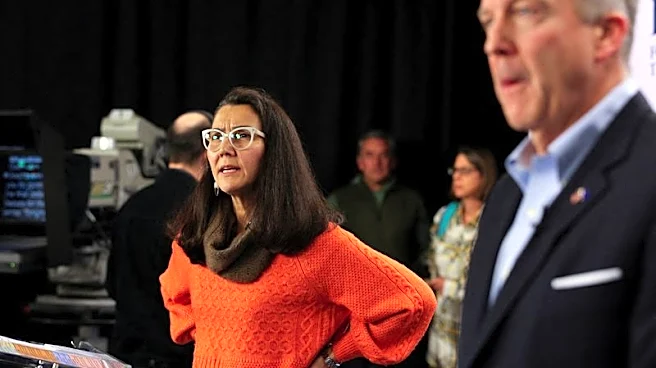
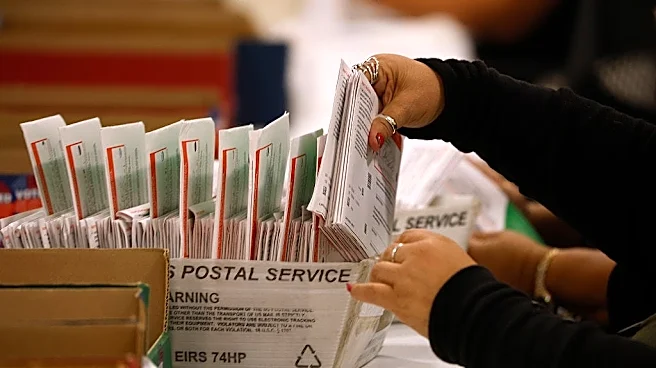
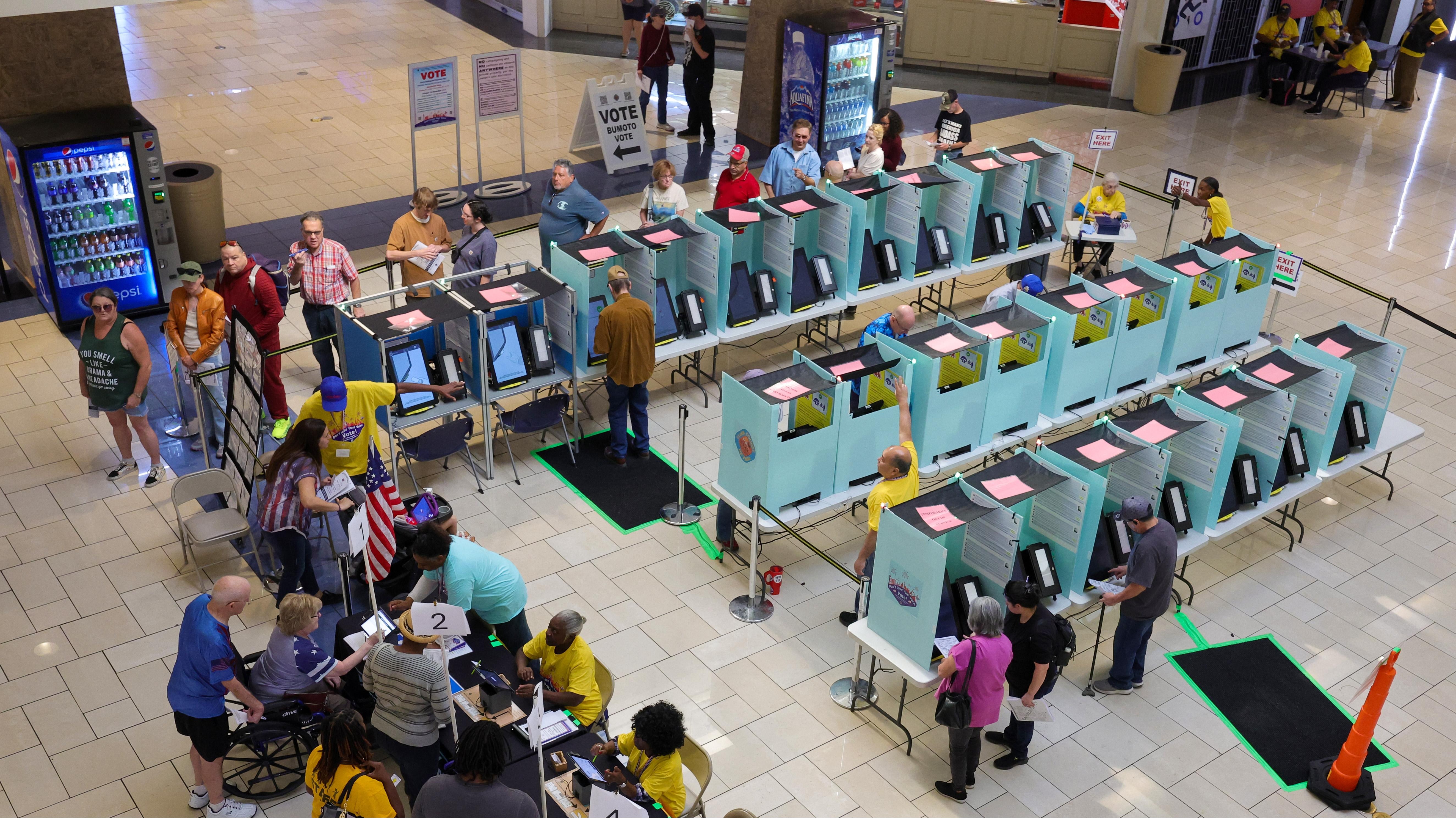
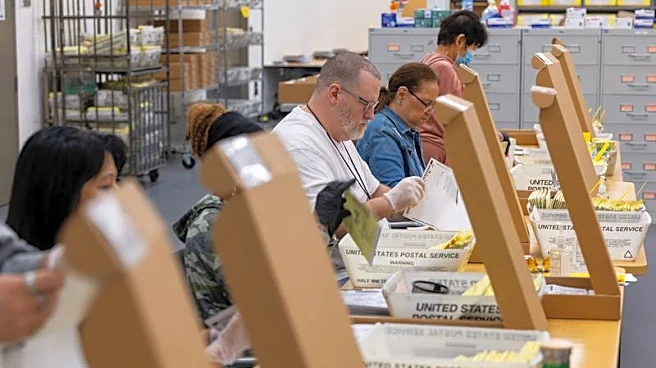
Being an observer comes with a specific set of dos and don'ts designed to protect the integrity of the process while allowing for oversight. The fundamental rule is 'look, don't touch'. Observers are generally required to remain behind a guardrail, giving election officials the space to work without interference. This setup ensures they can see the ballot box and the overall process but prevents them from getting close enough to handle ballots or election equipment. They can watch as absentee ballots are processed and as votes are tabulated. In the case of a recount, which is also open to the public, candidates or their designees are given designated spots to observe and even protest the handling of a specific ballot. At recount stations, camera systems often project images of the ballots onto monitors for clear viewing.
The Rules of Engagement
While anyone can be an observer, their behavior is regulated to prevent disruption or intimidation. An observer cannot interfere with the voting or counting process, get too close to the tables where private voter information is handled, or challenge voters directly unless they are an officially appointed challenger. The law distinguishes between a general 'observer' and a 'challenger'. A challenger, who must be appointed by a political party or the attorney general, has more authority to formally question a voter's eligibility. Observers, by contrast, are there to witness the process. The moderator of the polling place has the authority to ensure that all observers, journalists, and other visitors remain in designated areas and do not disrupt the proceedings.
Balancing Transparency and Security
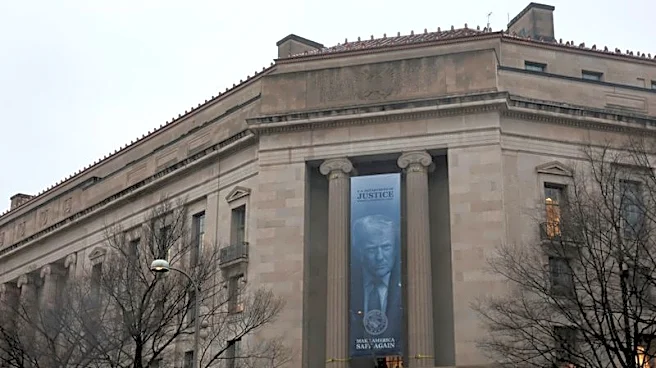
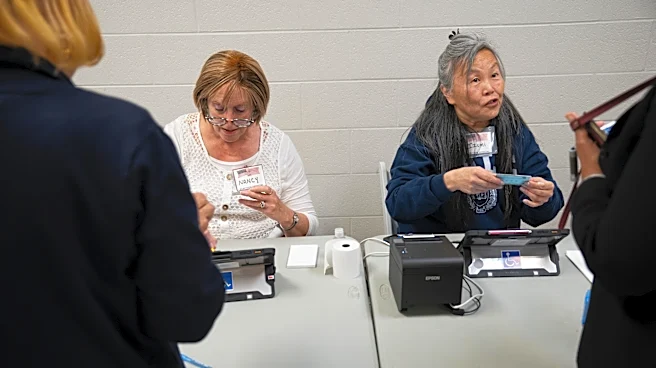
The entire framework of New Hampshire's election law is a balancing act. The goal is to provide enough public access to build confidence in the results without creating opportunities for chaos, intimidation, or fraud. The guardrail rule is a perfect example: it creates a physical separation that allows for visual verification without risking the security of the ballots themselves. Similarly, rules about how close observers can be to the check-in table—at least five feet away—are designed to protect the privacy of a voter's information while still allowing for public presence. Federal and state authorities, including the Department of Justice, also monitor elections in the state to ensure compliance with voting rights laws, adding another layer of oversight.
Finding Local Information
All election procedures in New Hampshire are governed by state statutes, known as RSAs (Revised Statutes Annotated). The Secretary of State's office provides an extensive Election Procedure Manual, which details the process for moderators, clerks, and the public. While these statewide rules form the foundation, the specific layout of a polling place can vary from town to town. For anyone interested in observing an election, the best first step is to consult the New Hampshire Secretary of State's website or contact their local town or city clerk. They can provide specific information about the location and any site-specific guidelines for observation, ensuring you know exactly what to expect on Election Day.