



The Canvass: Counting Every Valid Vote
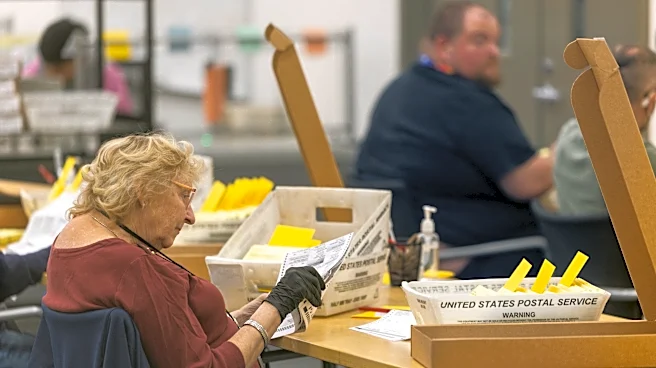
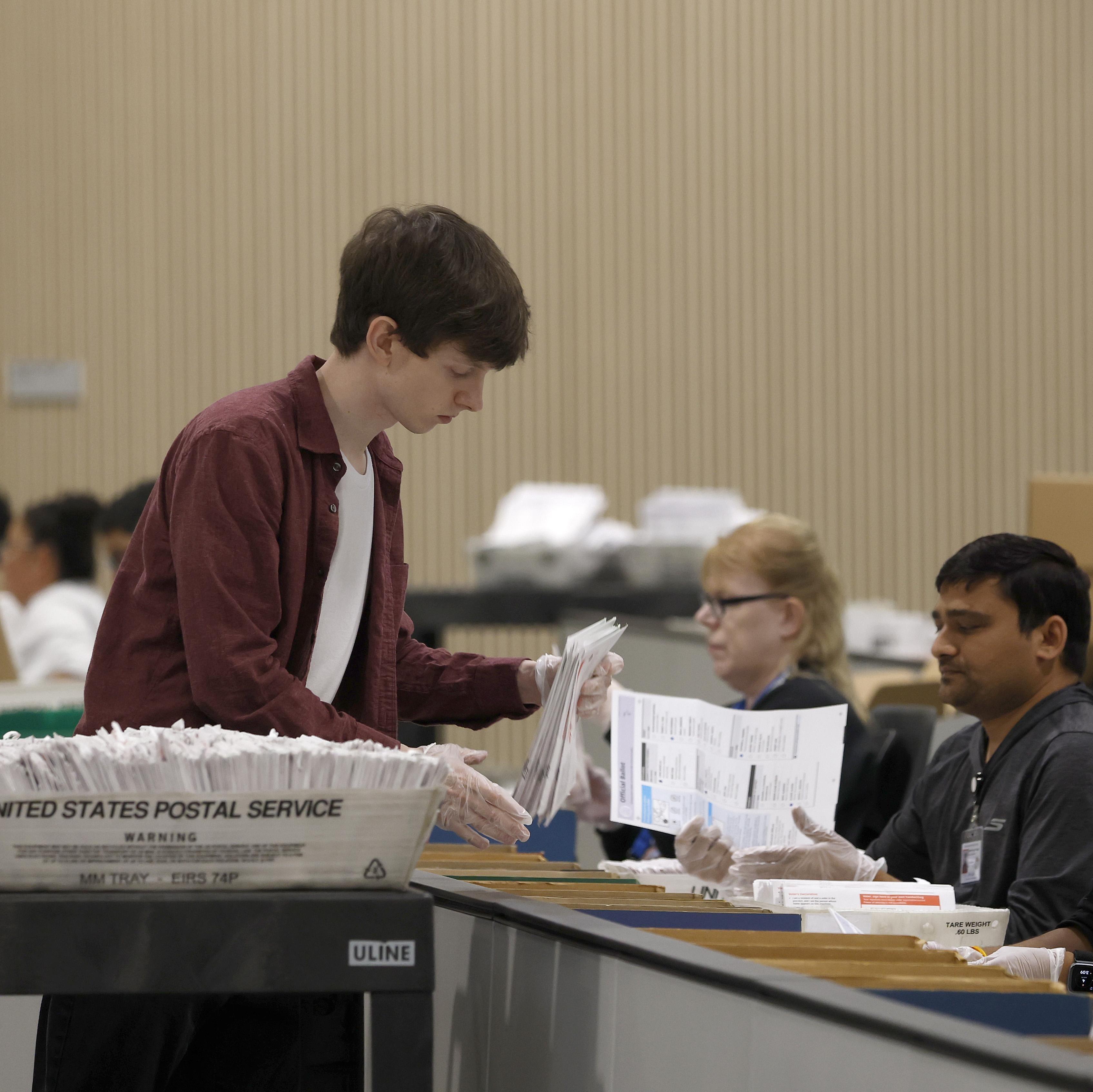
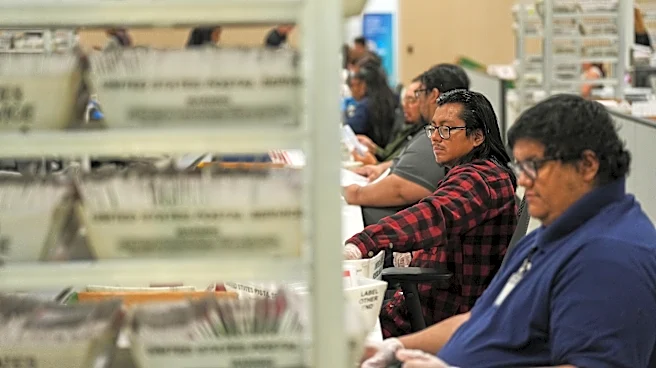
The process of counting ballots is officially known as canvassing. In Pennsylvania, this is a multi-step procedure. For counties that receive Election Integrity Grant funding, the process can start early. They are permitted to begin 'pre-canvassing' mail-in and absentee ballots at 7 a.m. on Election Day, November 3, 2026. This involves inspecting and opening ballot envelopes but not tallying the votes themselves until later. The official canvass, which includes the tabulation of in-person votes and the continued processing of mail ballots, begins for these counties after polls close at 8 p.m. The public computation and canvassing of all returns must formally begin by 9 a.m. on the third day after the election—Friday, November 6, 2026—and continue until completed.
This period is when election officials meticulously review precinct results, reconcile numbers, and ensure every valid vote is included in the unofficial count. Unofficial results must then be sent to the secretary of the commonwealth by November 10, 2026.
The 'Cure' Period: A Lifeline for Flawed Ballots
Not every mail-in ballot arrives perfect. Some may be missing a required signature on the outer envelope or have an incorrect date. In Pennsylvania, voters have an opportunity to fix, or 'cure,' these specific types of errors so their vote can be counted. The process and deadline for ballot curing can be subject to litigation and may vary slightly by county, but it's a critical protection for voters. Election officials are required to notify voters of certain deficiencies, giving them a chance to correct the mistake. This process has become a major focus in recent election cycles, as even a small number of cured ballots can be significant in a tight race. Voters who submit a flawed ballot are typically contacted by their county elections office with instructions on how to remedy the issue. Given the legal complexities, voters are strongly encouraged to follow the instructions for their mail-in ballot carefully to avoid any issues in the first place. The deadline to return a completed mail ballot is 8 p.m. on Election Day, November 3, 2026.
County Certification: The First Official Finish Line
After the canvass is complete and all valid votes are tallied, each of Pennsylvania's 67 county boards of elections must officially certify their local results. This is a legally binding step where county officials attest to the accuracy of their final vote count. The deadline for counties to complete their canvass and certify the results is the third Monday after the election, which for the 2026 General Election falls on November 23. This certification formally concludes the election at the county level. It transforms the running tally of unofficial results into an official record that is then transmitted to the Pennsylvania Department of State. This step has drawn increased scrutiny in recent years, as it represents a crucial link in the chain of command for finalizing election outcomes. The certified county results form the basis for the statewide totals.
State Certification: Making It Official for Pennsylvania
The final step in the process is statewide certification. After receiving the certified results from all 67 counties, the Secretary of the Commonwealth tabulates the numbers to determine the final, official winner of each statewide and federal contest. Following this, the governor issues a 'certificate of election' to the winning candidates. While Pennsylvania's Election Code requires counties to certify by November 23, the timeline for the Secretary's final statewide certification can be affected by any recounts or legal challenges. For instance, an automatic recount is triggered in a statewide race if the margin between the top two candidates is 0.5% or less. This final certification by the state is the definitive conclusion of the election process, confirming the results and clearing the way for newly elected officials to take office in January.